Your First Steps to Reading
Letter Recognition
Start with Big Letters
Uppercase letters, or capital letters, are a great starting point. Their straight lines and distinct shapes are often easier for little hands and eyes to recognize. Think of 'A' versus 'a' or 'B' versus 'b'. The big ones are usually less confusing.
Focus on just a few letters at a time. You can start with the letters in your child's name, which are always the most interesting to them. Point them out on signs, in books, or on toy blocks. Keep it playful and light.
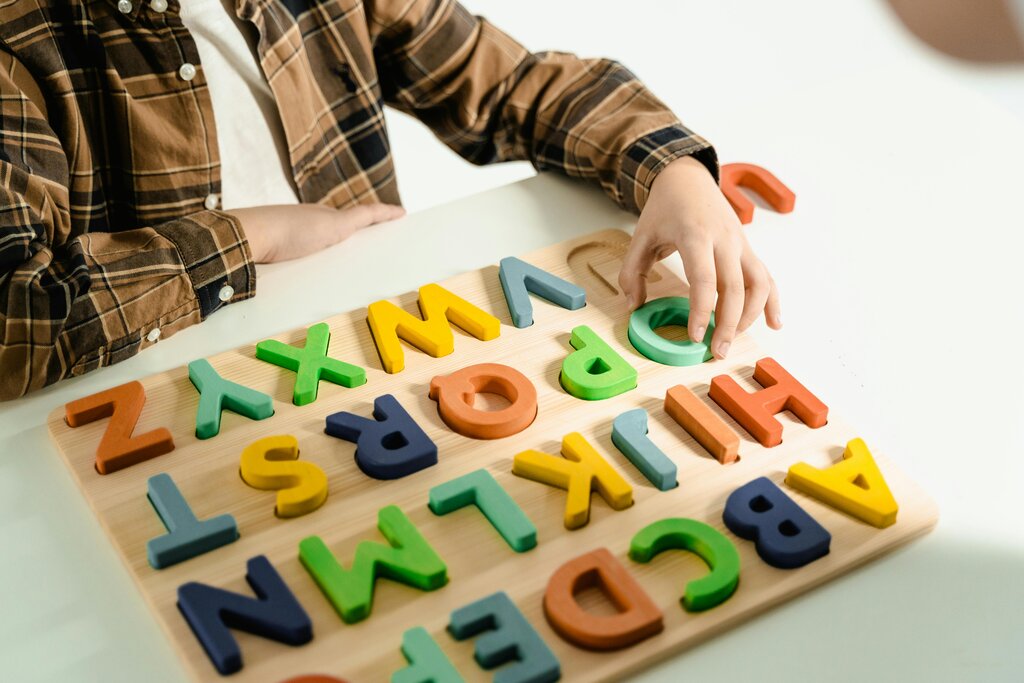
Try a letter hunt! Choose one letter for the day, like 'T', and see how many times you can find it together while you're out and about.
Meet the Little Letters
Once your child is comfortable with a good number of uppercase letters, you can introduce their lowercase partners. Explain that these are the same letters, just in a smaller form. You can call them 'baby' letters to make it fun.
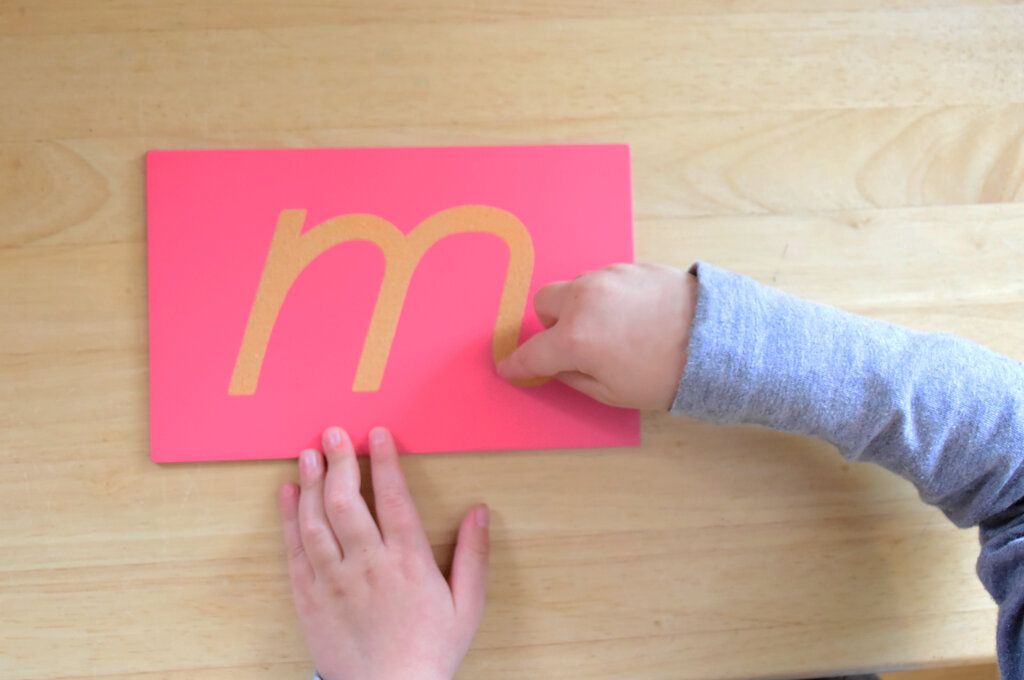
Most of the words we read are in lowercase, so this is a crucial step. Some letters look very similar (like 'b' and 'd'), so don't worry if it takes a little while for them to click. Patience is key. Tracing letters with a finger in sand, shaving cream, or on a foggy window can help build muscle memory for their shapes.
Making Matches
Now it's time to connect the big and little letters. The goal is for your child to understand that 'A' and 'a' are the same letter, just dressed differently. Matching games are perfect for this.
You can make your own flashcards—one for each uppercase letter and one for each lowercase letter. Lay a few pairs out and have your child find the matches. Start with just two or three pairs and add more as they get the hang of it.
| Uppercase | Lowercase |
|---|---|
| A | a |
| B | b |
| C | c |
| D | d |
| E | e |
Some letters have very similar uppercase and lowercase forms, like 'C' and 'c' or 'S' and 's'. These are often easy wins, so they can be a great place to start to build confidence.
Putting It All in Order
Knowing the order of the alphabet is the final piece of the letter recognition puzzle. The alphabet song is the most common and effective tool for this. Sing it together during playtime, in the car, or before bed.
Understanding the sequence helps children organize the letters in their minds. It also sets them up for future skills, like using a dictionary. You can use an alphabet poster or a book and point to each letter as you sing its name.
Great work! You're building a strong foundation for a lifetime of reading.