Yoga Fundamentals and Practice
Yoga's Historical Roots
The Ancient Tapestry
The earliest whispers of yoga come from the Vedas, ancient sacred texts from India. In this Vedic period, thousands of years ago, "yoga" wasn't about downward-facing dog. The root word, "yuj," meant to yoke or unite. This union was primarily sought through rituals, hymns, and sacrificial ceremonies led by priests. The goal was to connect the material world with the celestial, ensuring harmony and order.
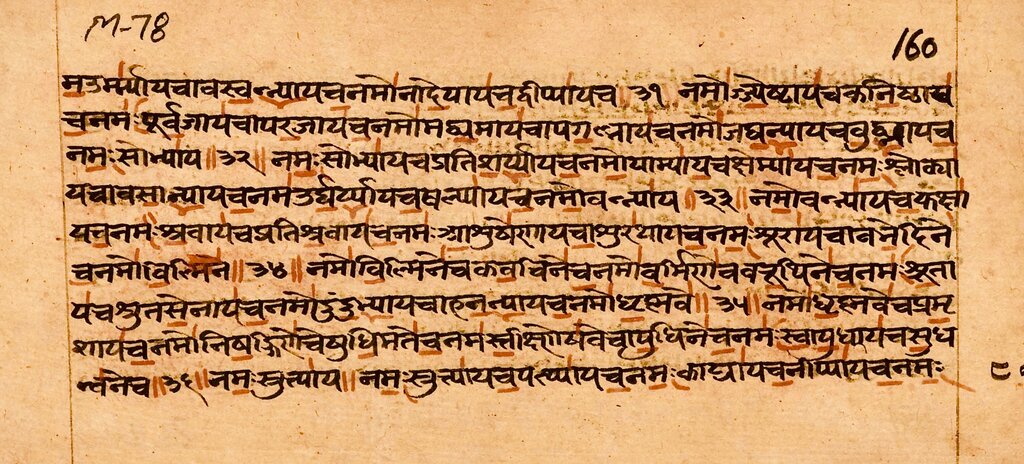
This early form of yoga was less about individual self-realization and more about maintaining cosmic balance through external actions. The focus was on mastering the rites and chants to commune with divine forces. It was a practice deeply embedded in the spiritual and social fabric of the time, laying the groundwork for the philosophical shifts to come.
The Inward Turn
A profound shift occurred during the pre-classical era with the emergence of the Upanishads, a collection of philosophical texts. Think of them as the mystical commentaries on the Vedas. The focus turned from external rituals to internal exploration. Sages and thinkers began looking within for the answers to life's biggest questions.
The central idea that emerged was the connection between Atman (the individual self or soul) and Brahman (the ultimate, universal consciousness). Yoga became the practical method for experiencing this unity directly.
This period introduced concepts like karma, reincarnation, and the pursuit of liberation (moksha) from the cycle of rebirth. Meditation and introspection became key practices. The goal was no longer just to appease external gods, but to realize the divine within oneself. This philosophical pivot laid the direct foundation for yoga as a path of self-discovery.
A System Takes Shape
Around 400 CE, a sage named Patanjali compiled the Yoga Sutras, a collection of 196 aphorisms that systematically outline the philosophy and practice of yoga. This text marks the beginning of the Classical period and is arguably the most important text in the history of yoga philosophy. It provided a clear, structured framework for what had been a diverse set of teachings.
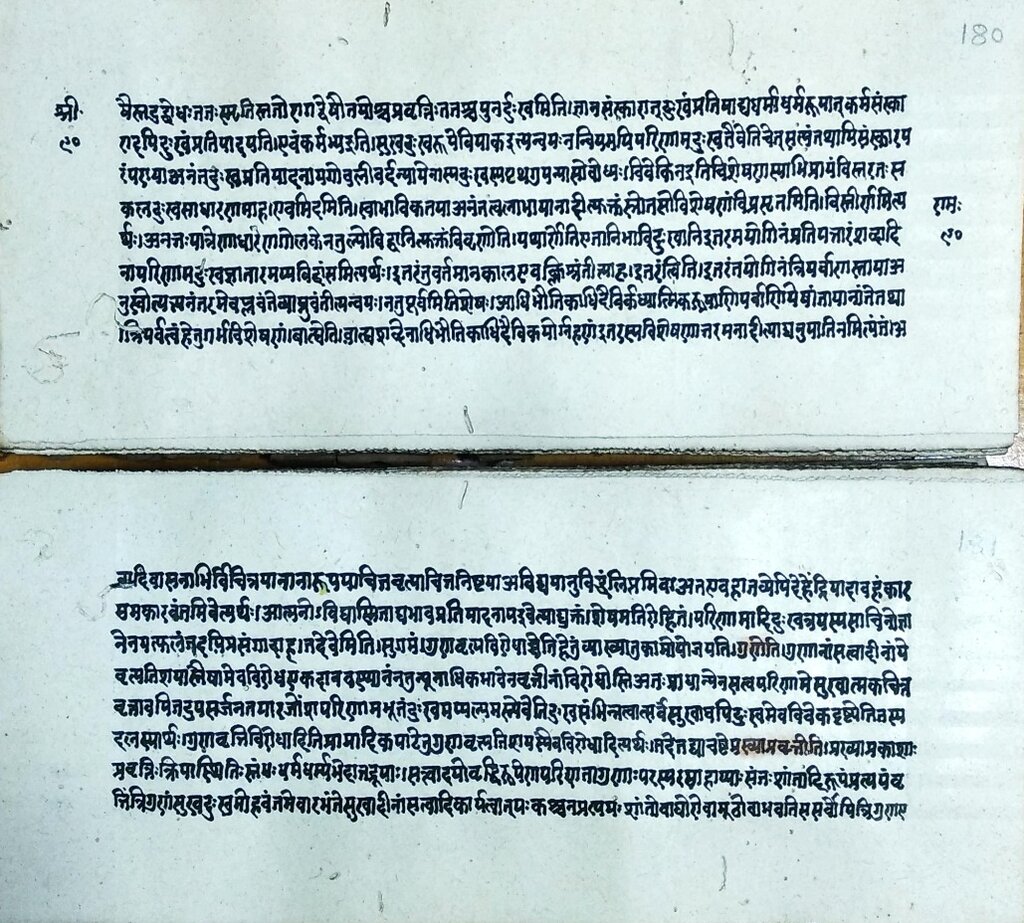
Patanjali defines yoga as "the cessation of the modifications of the mind." His Sutras outline the Ashtanga, or eight-limbed path, to achieve this mental stillness. It's important to note that only one of these eight limbs, Asana (posture), refers to physical practice. The overwhelming focus is on ethics, self-discipline, breath control, and progressive stages of meditation to achieve enlightenment. The Yoga Sutras are a roadmap for the mind, not an exercise manual.
The Body as a Temple
Centuries after Patanjali, in the post-classical era, another evolution began. Influenced by Tantric traditions, yoga masters started to explore the physical body more deeply, not as a distraction from the spiritual path, but as a vehicle for enlightenment. They developed techniques to purify the body and control its subtle energies.
This movement gave rise to Hatha yoga. A key text from this period is the Hatha Yoga Pradipika, written by Swami Svatmarama in the 15th century. Unlike the Yoga Sutras, this text provides detailed descriptions of physical postures (asanas), breathing techniques (pranayama), and purification practices (shatkarmas). The goal was to prepare the physical body to withstand the intensity of advanced meditation and the awakening of spiritual energy (kundalini).
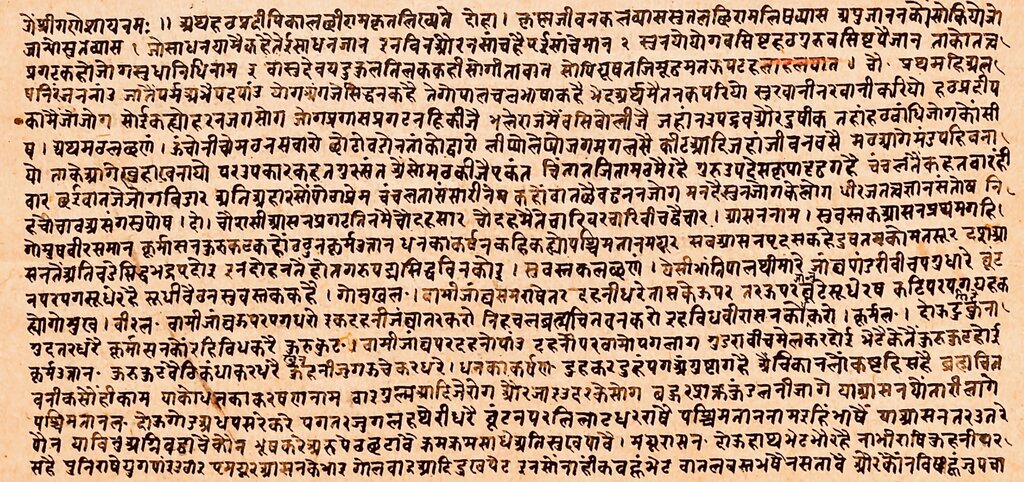
This focus on the physical body is the direct ancestor of most modern yoga styles practiced today. While Patanjali aimed to still the mind through meditation, the Hatha yogis aimed to prepare the body for that stillness. The two philosophies are not contradictory but complementary, representing different stages and approaches on the same path.
Yoga's journey didn't stop there. In the late 19th and early 20th centuries, Indian masters like Swami Vivekananda began introducing yogic philosophy to the West. Later, pioneers such as T. Krishnamacharya and his students—including B.K.S. Iyengar, Pattabhi Jois, and T.K.V. Desikachar—developed the dynamic, posture-focused styles that have become globally popular. From ancient ritual to modern wellness practice, yoga has continuously adapted, proving its timeless relevance for the human quest for balance and union.
In the earliest Vedic texts, what was the primary meaning of the root word for yoga, "yuj"?
The philosophical shift from external rituals to internal exploration occurred with the emergence of which texts?