x86 CPU Demand Drivers
Introduction to x86 Architecture
The Story of x86
The term "x86" might sound technical, but its origin is surprisingly straightforward. It all started in 1978 with a microprocessor from Intel called the 8086. This chip, and its successors like the 80286 and 80386, became the brains of the first IBM PCs and a wave of compatible computers that followed. The "86" at the end of their names became a shorthand for this family of processors, and the name "x86" stuck.
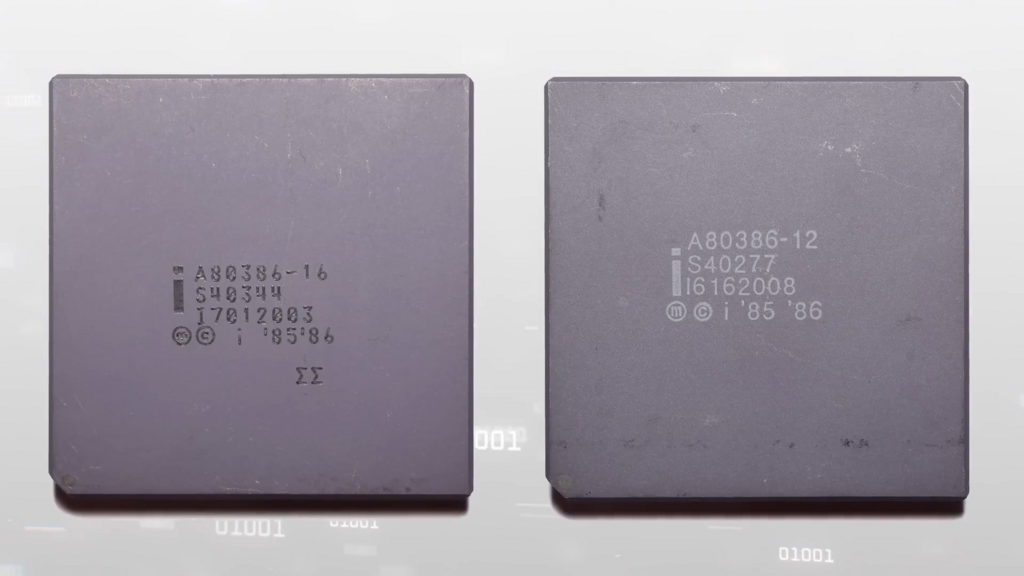
One of the core design principles of x86 is its use of a Complex Instruction Set Computer (CISC) architecture. Think of it like giving a chef a single command like "make a pizza." That one complex command implies many smaller steps: knead the dough, prepare the sauce, add toppings, and bake. The chef knows how to break it down.
Similarly, a CISC processor can execute a single, powerful instruction that might involve multiple low-level operations. For example, one command could tell the processor to retrieve a value from memory, add another value to it, and then store the result back into memory. This design made programming easier in the early days, as it required fewer lines of code to get things done.
This collection of commands the processor understands is called its Instruction Set Architecture, or ISA. The x86 ISA includes instructions for everything from basic arithmetic (ADD, SUB) and data movement (MOV) to program flow control (JMP, CALL).
A crucial feature of the x86 ISA is its commitment to backward compatibility. Each new generation of x86 processors can run software designed for its predecessors. This means a program written for the 80386 in 1985 can, in theory, still run on a brand new computer today. This principle has been a cornerstone of its success, ensuring that a vast library of software remains usable as hardware evolves.
Where x86 Shines
That backward compatibility helped x86 dominate the personal computer market. For decades, if you bought a PC, it almost certainly had an x86 processor inside. This created a powerful cycle: developers wrote software for x86 because that's what people owned, and people bought x86 computers because that's where all the software was.
Today, the reach of x86 extends far beyond desktops and laptops. These processors are powerhouses, and their high-performance versions are the backbone of the internet, running in massive data centers and servers that host websites, stream videos, and power cloud computing services. From editing a spreadsheet on your laptop to complex scientific simulations on a supercomputer, x86 architecture is often doing the work.
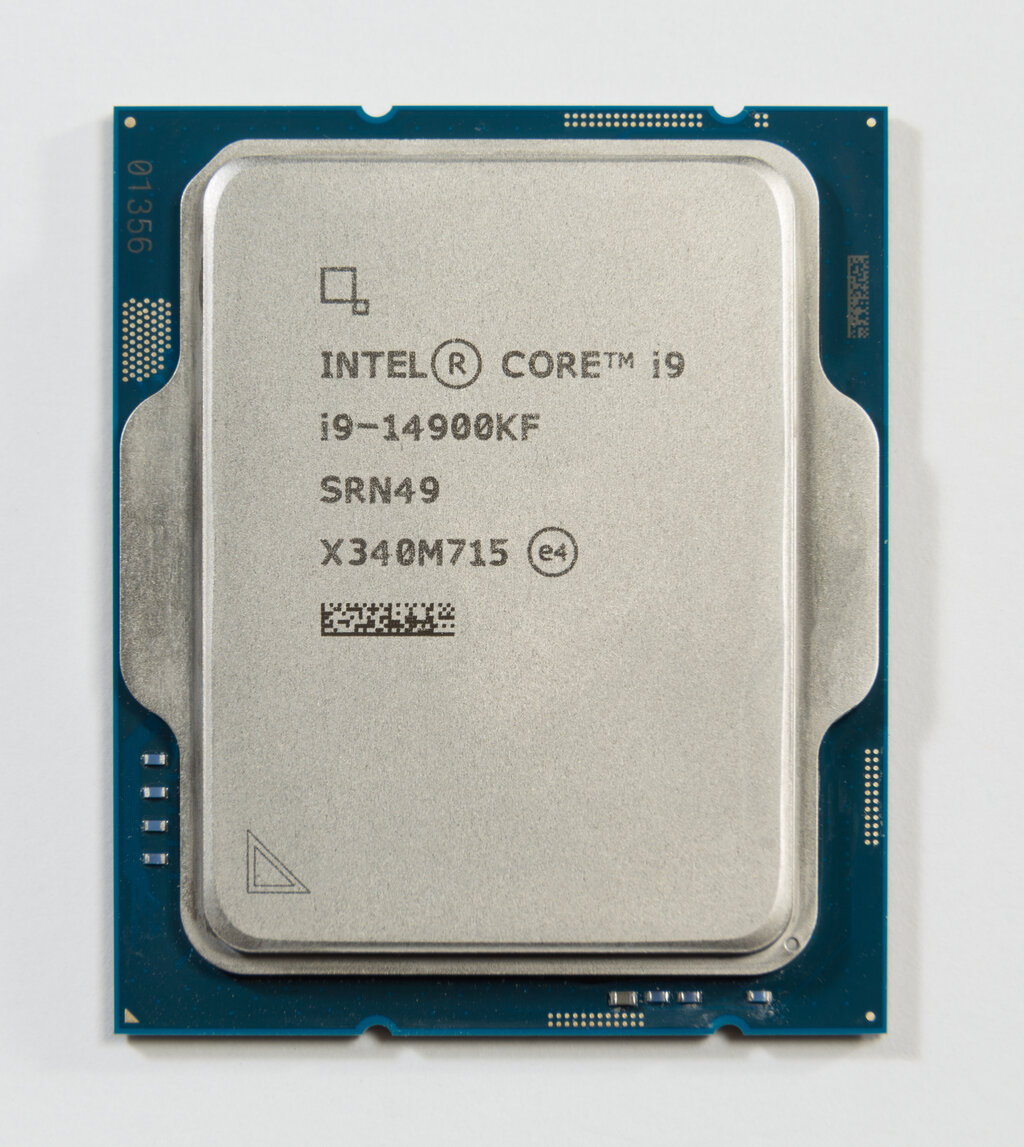
While it started with a simple chip nearly half a century ago, the x86 architecture has continuously evolved, adding new features and boosting performance to meet the demands of modern computing. Its history is a story of adaptation and enduring influence.
Let's review the key ideas from this section.
What does the 'CISC' in Complex Instruction Set Computer architecture, used by x86 processors, primarily signify?
The term 'x86' originates from the naming convention of the first chip in the family, the Intel 8086, and its successors (80286, 80386).
The x86 architecture's journey from a simple microprocessor to the engine of modern computing highlights how foundational design choices can have a lasting impact.