X-ray Positioning for Crohn's Disease
Introduction to Crohn's Disease
What is Crohn's Disease?
Crohn's disease is a type of inflammatory bowel disease (IBD) that causes chronic inflammation of the gastrointestinal (GI) tract. Think of it as the body's immune system getting its signals crossed and mistakenly attacking the digestive system. This triggers a persistent inflammatory response that can lead to significant discomfort and damage.
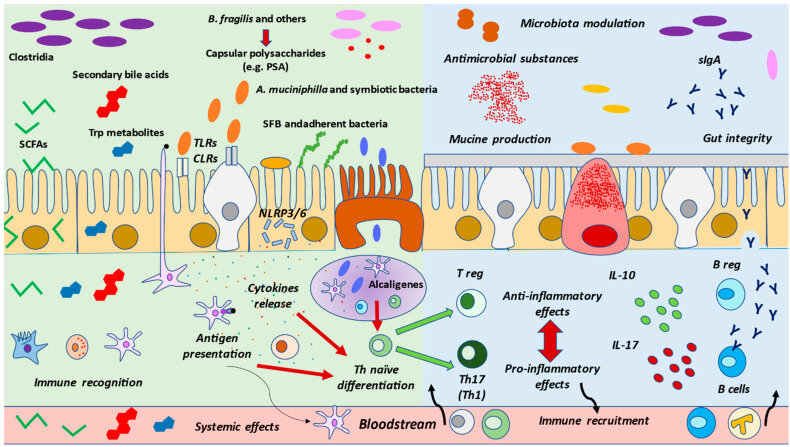
The exact cause isn't fully understood, but it's believed to be a combination of factors. Genetics play a role, as the condition can run in families. Environmental triggers and the composition of your gut microbiome, the community of bacteria living in your intestines, are also thought to be involved. Essentially, in a susceptible person, something might trigger the immune system to overreact and target the gut.
Signs and Symptoms
Living with Crohn's can be unpredictable, as symptoms often come and go in periods of flare-ups and remission. When the disease is active, common signs include:
- Persistent Diarrhea: Inflammation can interfere with water absorption in the intestines.
- Abdominal Pain and Cramping: Swelling and ulceration in the bowel wall can be painful.
- Rectal Bleeding: Ulcers in the intestine may bleed, leading to blood in the stool.
- Weight Loss and Fatigue: The body may not absorb nutrients properly, leading to malnutrition and a lack of energy.
Symptoms can range from mild to severe. They might develop gradually over time or appear suddenly, without warning.
How Crohn's Affects the Gut
One of the defining features of Crohn's disease is that it can affect any part of the GI tract, from the mouth to the anus. However, it most commonly impacts the end of the small intestine (the terminal ileum) and the beginning of the large intestine (the colon).
Unlike other forms of IBD, the inflammation in Crohn's can penetrate deep into the layers of the bowel wall. It also tends to appear in patches, with sections of diseased bowel situated between areas of healthy tissue. These are often called "skip lesions."
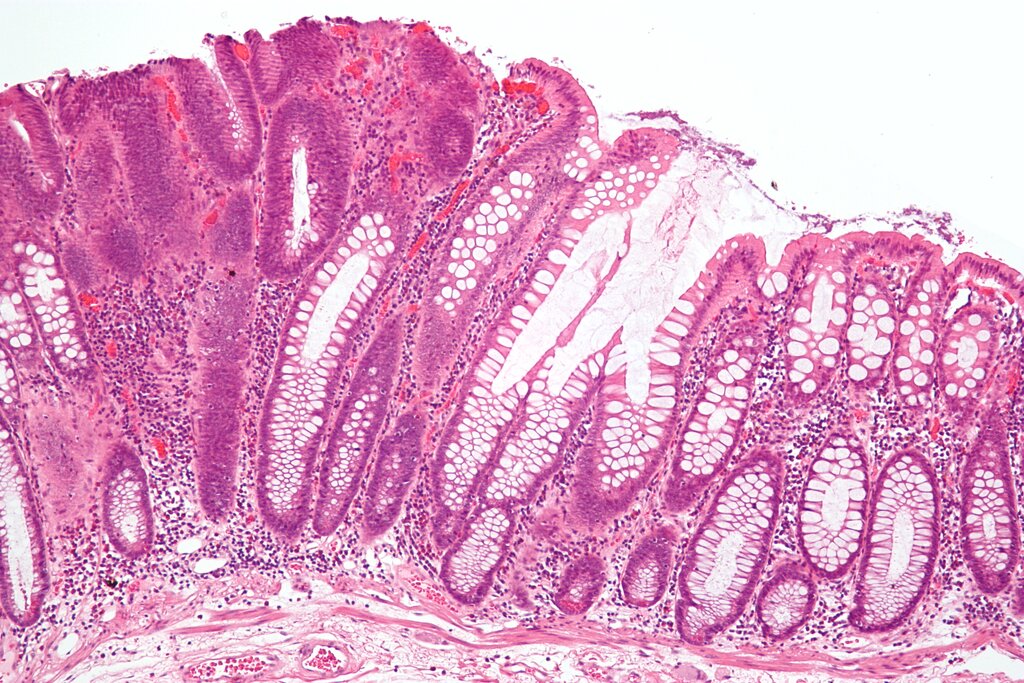
Over time, chronic inflammation can lead to complications such as strictures (narrowing of the intestine), fistulas (abnormal connections between different parts of the intestine or other organs), and abscesses. This is why proper diagnosis and management are so critical.
The Need for a Clearer Picture
Because symptoms can overlap with many other conditions, getting an accurate diagnosis is the first crucial step. A doctor will typically use a combination of blood tests, stool samples, and procedures like colonoscopies to investigate.
Imaging plays a vital role in this process. It allows doctors to see inside the GI tract to confirm a diagnosis, determine the exact location and extent of the inflammation, and check for any complications. This detailed view is essential for creating an effective treatment plan and monitoring the disease over time.
Imaging is suitable for assessing disease activity, extension and characterizing disease patterns.
Understanding what's happening inside the body helps healthcare providers make the best decisions to manage symptoms and improve quality of life for those living with Crohn's disease.
What is the fundamental cause of the chronic inflammation associated with Crohn's disease?
Which characteristic best describes the pattern of inflammation typically seen in Crohn's disease?