Wu Song Fights the Tiger English Adventure
Introduction to Wu Song's Tale
The Legend of Wu Song
One of the most famous stories in Chinese folklore tells of a hero named Wu Song who single-handedly fights and defeats a ferocious man-eating tiger. The tale is a thrilling adventure that has been told and retold for centuries, capturing the imagination of generations.
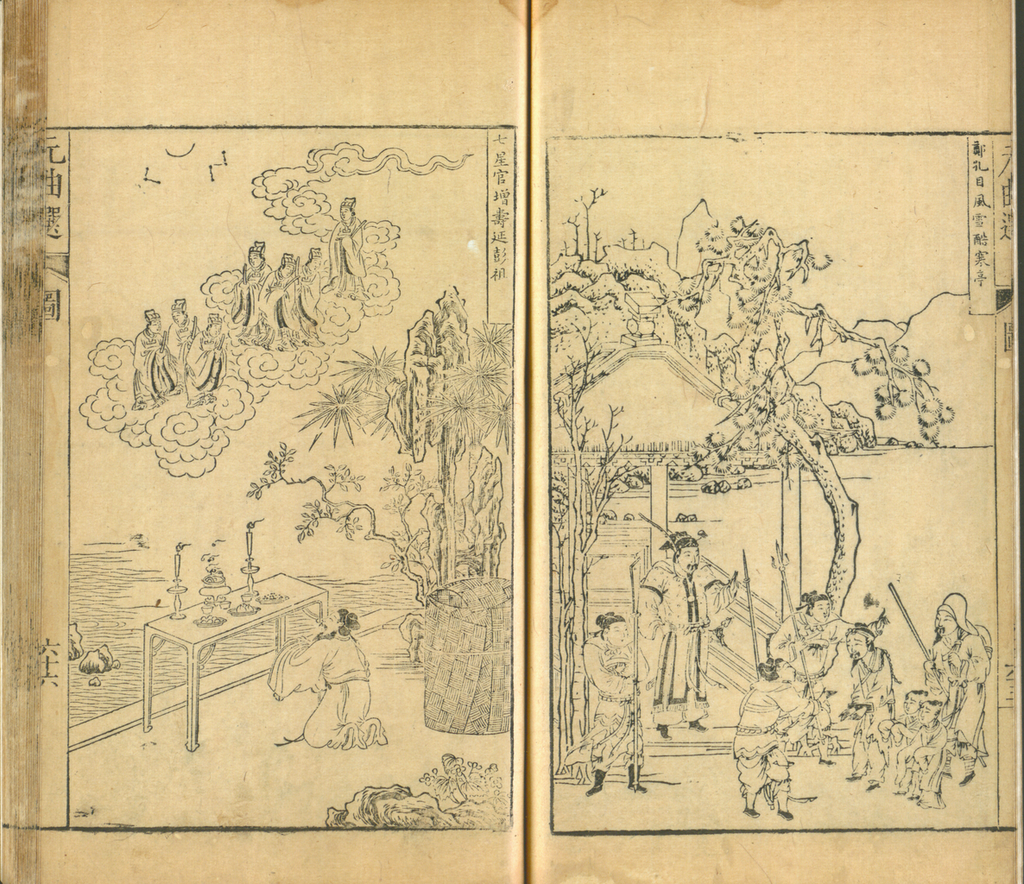
But this isn't just a simple folktale. The story of Wu Song and the tiger is actually a single, standout chapter from a much larger and more complex work of literature. Understanding where it comes from helps us see why it's so important in Chinese culture.
An Epic Novel
Wu Song's adventure is part of Water Margin, one of the Four Great Classical Novels of Chinese literature. Written in the 14th century, this epic novel is a sprawling saga about a group of 108 outlaws who gather at Mount Liang to form an army. They challenge a corrupt government and fight for justice.
Think of Water Margin as being as foundational to Chinese literature as the tales of King Arthur or Robin Hood are to English literature.
Water Margin
The novel is celebrated for its vivid characters, and Wu Song is one of the most memorable. He is portrayed as a hero of immense strength, courage, and a strong sense of righteousness. His battle with the tiger is a defining moment that establishes his legendary status long before he joins the other outlaws.
Why This Story Matters
The story of Wu Song fighting the tiger is more than just an exciting action scene. It's a powerful symbol of human courage in the face of overwhelming odds. At the time, tigers were a real threat in parts of China, and the idea of a lone man defeating one was the ultimate display of strength and bravery.
Over time, Wu Song has become an archetype of the martial hero in Chinese culture. His story celebrates the idea that an individual can overcome incredible danger through sheer will and physical power. It's a classic tale of hero versus beast, and it sets the stage for the many other heroic deeds Wu Song performs throughout the novel.
The famous story of Wu Song fighting the tiger is a chapter from which of the Four Great Classical Novels of Chinese literature?
What does Wu Song's victory over the tiger primarily symbolize in the story?
Now you have the background on this classic tale. In the next section, we'll dive into the story itself.