WSET Level 3 Wine Studies
Systematic Wine Tasting
A Systematic Approach
Tasting wine is more than just deciding if you like it. For professionals, it’s about breaking down a wine into its core components to understand its quality and character. The Wine & Spirit Education Trust (WSET) developed the Systematic Approach to Tasting® (SAT) to provide a structured, consistent framework for evaluation. It’s a tool that helps you move from subjective preference to objective analysis.
This method is broken into four key stages: examining the appearance, smelling the aromas on the nose, tasting on the palate, and drawing a final conclusion. By following these steps, you build a detailed and reliable tasting note every time.
The best sommeliers don’t “guess” wines—they break down the tasting process using logic and structure.
Assessing Appearance
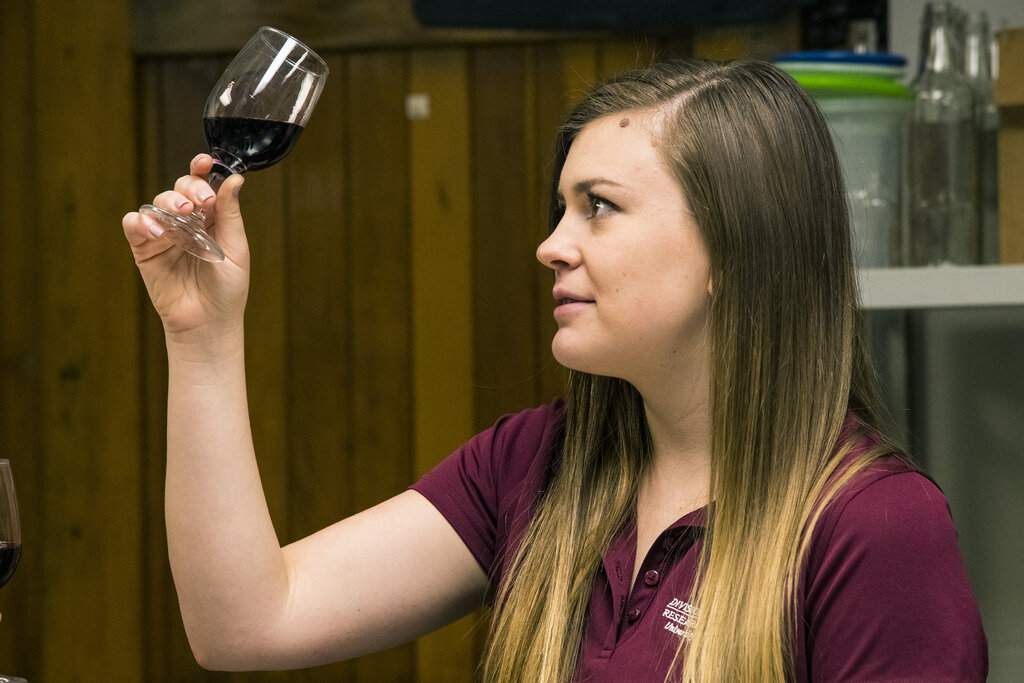
The first step is to simply look at the wine. Hold your glass against a white background to get a clear view. You're assessing three things: clarity, intensity, and colour.
Clarity: Is the wine clear or hazy? Most wines should be perfectly clear. A hazy or cloudy appearance could indicate a fault, though some wines are intentionally unfiltered and will have a slight haze.
Intensity: How concentrated is the colour? This can range from pale to medium to deep. A pale red wine might suggest a thin-skinned grape like Pinot Noir, while a deep, opaque one could be a Syrah.
Colour: The shade of the wine gives clues about the grape variety, climate, and age. A young white wine is typically a pale lemon-green, while an older one might deepen to gold or amber. A young red wine often has purple or ruby tones that evolve to garnet or tawny with age.
| Wine Type | Young | Aged |
|---|---|---|
| White | Lemon, Green Hues | Gold, Amber |
| Red | Purple, Ruby | Garnet, Tawny |
| Rosé | Pink, Purple Hues | Orange, Brown Hues |
Evaluating the Nose
After looking at the wine, it’s time to smell it. Our sense of smell is responsible for most of what we perceive as flavor. First, give the glass a swirl to release the aromatic compounds. Then, put your nose into the glass and take a deep sniff.
Start by checking the wine's condition. Does it smell clean, or are there any off-odors suggesting a fault? A common wine fault is cork taint, which smells like damp cardboard or a wet dog.
Next, assess the intensity of the aromas. Are they faint (light), moderate (medium), or powerful (pronounced)? Finally, identify the specific aroma characteristics. These can be grouped into three categories:
Primary Aromas: These come directly from the grape and fermentation. Think fruits, flowers, and herbs.
Secondary Aromas: These come from the winemaking process. Examples include the buttery notes from malolactic conversion or the vanilla, smoke, and spice from oak aging.
Tertiary Aromas: These develop over time as the wine ages in the bottle. In red wines, you might find leather and earth. In whites, you might find honey and nuts.
Analyzing the Palate
Now, you finally taste the wine. Take a small sip and let it coat your entire mouth. This step confirms the aromas you found on the nose and introduces the wine's structure—the components you feel rather than taste.
Here’s what to assess on the palate:
- Sweetness: Is the wine dry, off-dry, medium, or sweet?
- Acidity: This is the mouth-watering sensation. Acidity can be low, medium, or high. It gives the wine freshness and helps it age.
- Tannin: Found mostly in red wines, tannin is a compound from grape skins, seeds, and stems. It creates a drying, astringent sensation on your gums. Tannin levels are described as low, medium, or high.
- Alcohol: This is perceived as a warming sensation in the back of your throat. It contributes to the wine's body.
- Body: This is the overall weight and texture of the wine in your mouth. Is it light-bodied like water, or full-bodied like whole milk?
- Flavor Intensity & Characteristics: Are the flavors on the palate as intense as the aromas on the nose? Do they match? You might notice new flavors here that weren't apparent before.
- Finish: How long do the pleasant flavors linger after you've swallowed or spit out the wine? The finish can be short, medium, or long. A long, complex finish is often a sign of a high-quality wine.
Drawing Conclusions
The final step is to put all your observations together to form a conclusion about the wine's quality. This isn't about whether you personally like the wine, but an objective assessment based on specific criteria.
A high-quality wine will typically show balance, meaning the sweetness, acidity, tannin, and alcohol all work together harmoniously. It will have a long and pleasant finish, noticeable intensity, and a degree of complexity in its aromas and flavors.
You also assess the wine's readiness for drinking. Is it ready to drink now, or could it benefit from further aging? A wine with high acidity and tannin but tightly-wound fruit might be a candidate for aging. A wine where the fruit is vibrant and the structural components are well-integrated is likely ready to be enjoyed now.
Ready to test your knowledge of the systematic approach?
When examining the appearance of a wine using the Systematic Approach to Tasting®, which of the following is NOT one of the three primary aspects to assess?
A common wine fault detected on the nose is 'cork taint'. What is its characteristic aroma?
Using a systematic method like the SAT takes practice, but it transforms wine tasting from a casual activity into a focused skill. It allows you to communicate about wine with a shared language and a deeper level of understanding.