Writing cGMP Deviations
Introduction to cGMP
What is cGMP?
In the world of medicine, consistency isn't just a good idea—it's a strict requirement. Patients need to know that the pill they take today is exactly the same in quality and strength as the one they took last month. This is where cGMP comes in.
cGMP
noun
An acronym for current Good Manufacturing Practices. These are regulations enforced by regulatory bodies to ensure that pharmaceutical products are consistently produced and controlled according to quality standards.
The 'c' in cGMP stands for 'current'. This is a key detail. It means that manufacturers can't just stick to the same processes forever. They must use up-to-date technologies and systems to comply with the regulations. The goal is simple but critical: to guarantee the identity, strength, quality, and purity of drug products. It's about preventing contamination, mix-ups, and errors.
The Rule Makers
cGMP isn't an optional guideline; it's the law. Different agencies around the world create and enforce these rules. In the United States, the main authority is the Food and Drug Administration (FDA). In Europe, it's the European Medicines Agency (EMA).
These organizations don't just set the rules. They also conduct inspections of manufacturing facilities to ensure companies are following them. If a facility isn't compliant, these agencies have the power to issue warnings, fines, and even halt production to protect public health.

The Pillars of cGMP
cGMP covers every aspect of production. It's a comprehensive system built on several key components that work together to ensure final product quality.
Think of cGMP as a recipe for making medicine. Every ingredient, every step, and every piece of equipment must be just right, every single time.
Quality Management Systems (QMS): This is the foundation. A QMS is the formal system that documents processes, procedures, and responsibilities for achieving quality policies and objectives. It's the company's overall rulebook for how to maintain quality.
Personnel: You can't make quality products without qualified people. cGMP requires that employees have the right education, training, and experience to do their jobs. They must also receive ongoing training to stay current with procedures and regulations.
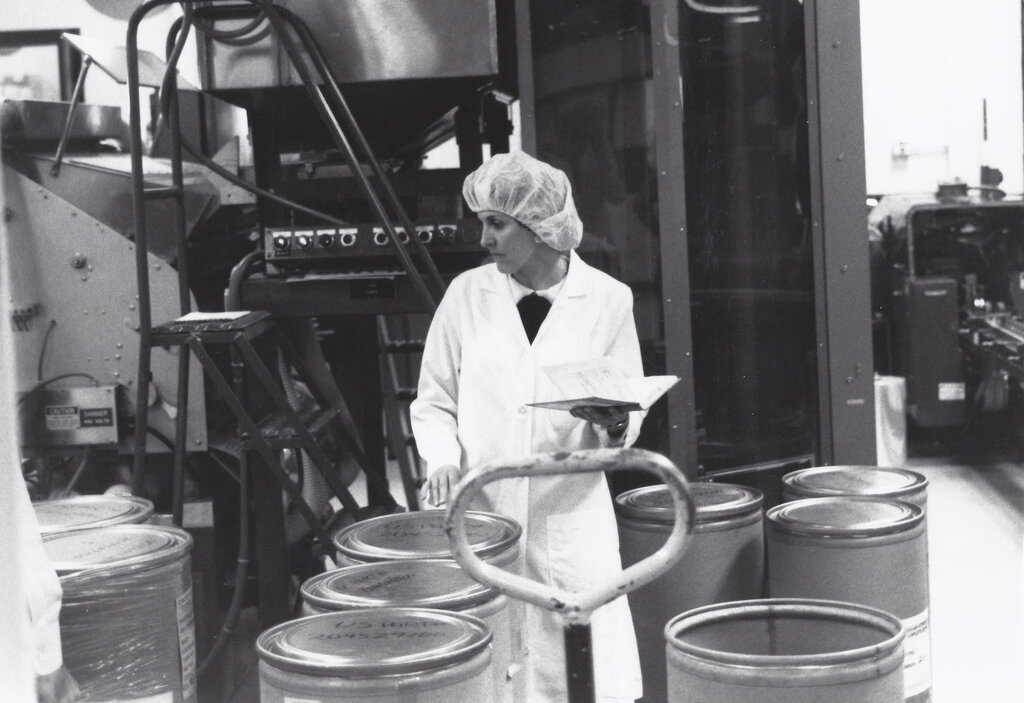
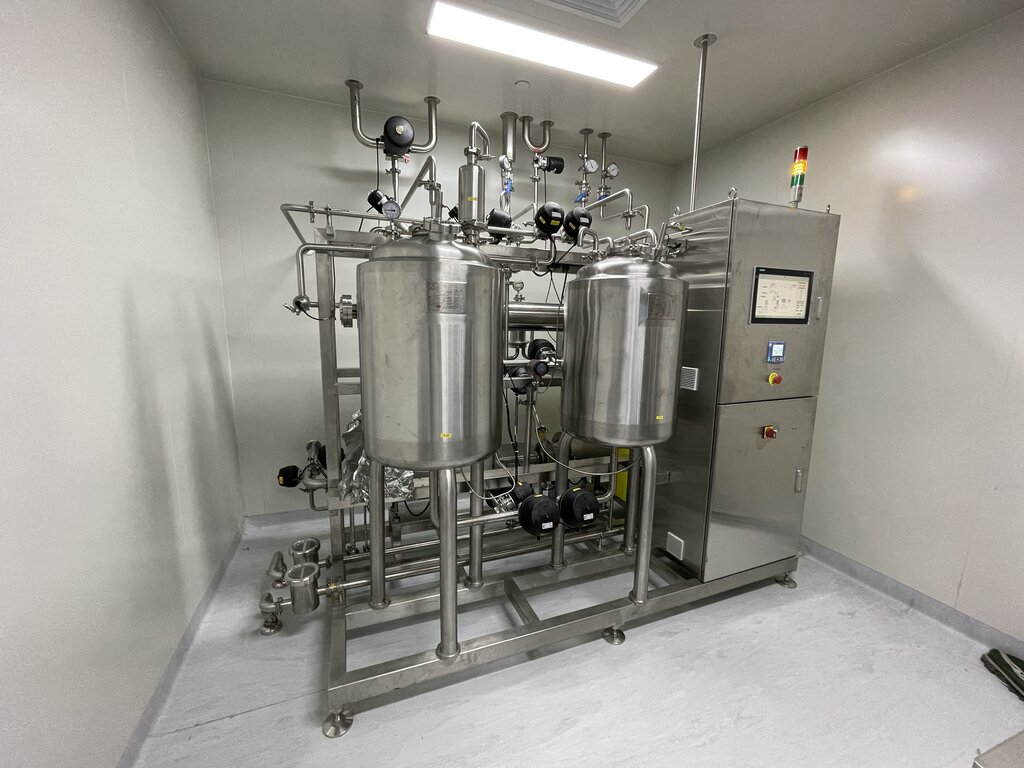
Facilities and Equipment: The physical environment matters. Buildings must be designed and maintained to prevent contamination. This includes having smooth, easy-to-clean surfaces and controlled airflow. Equipment used in manufacturing must be properly calibrated, cleaned, and validated to ensure it works as expected, every time.
Documentation: In the world of cGMP, there's a saying: "If it wasn't documented, it didn't happen." Every single step of the manufacturing process must be recorded. This creates a complete history of the product, from raw materials to final release. These records, known as batch records, provide proof that a company followed its procedures.
Production and Process Controls: This involves managing the entire manufacturing process. It means using verified raw materials, following written procedures for every step, monitoring processes to ensure they stay within defined limits, and testing the product at various stages to confirm its quality.
Now, let's review these core concepts.
Ready to test your knowledge?
What does the 'c' in cGMP stand for?
What is the primary goal of cGMP regulations?
Adhering to these cGMP principles is non-negotiable for any company wanting to produce and sell medical products. It's the system that ensures the medicine you rely on is both safe and effective.