Write Press Releases Journalists Will Read
Understanding Press Releases
What Is a Press Release?
A press release is an official announcement delivered to members of the news media. Think of it as a formal invitation to a story. Its purpose is to provide clear, factual information about an event, product launch, or company update in a way that's easy for journalists to understand and use.
Companies and organizations use press releases to get the word out and control the narrative. Instead of waiting for a reporter to stumble upon their news, they package it up and send it directly to them. This helps ensure the information is accurate and presented in the best possible light.
Press releases are a powerful tool for businesses to share news, attract media attention, build brand awareness and shape public perception.
The Building Blocks
A good press release follows a standard format. Each part has a specific job to do, guiding the reader from the most important information to the finer details.
The key is clarity and conciseness. A journalist is busy, so your release needs to be scannable and straight to the point.
Here are the five key components:
- Headline: This is your first impression. It should be compelling and summarize the news in a single line. It needs to grab a journalist's attention instantly.
- Lead Paragraph: The first paragraph is the most critical. It must answer the essential questions: Who? What? When? Where? and Why? This structure is often called the "inverted pyramid," where the most newsworthy information is at the top.
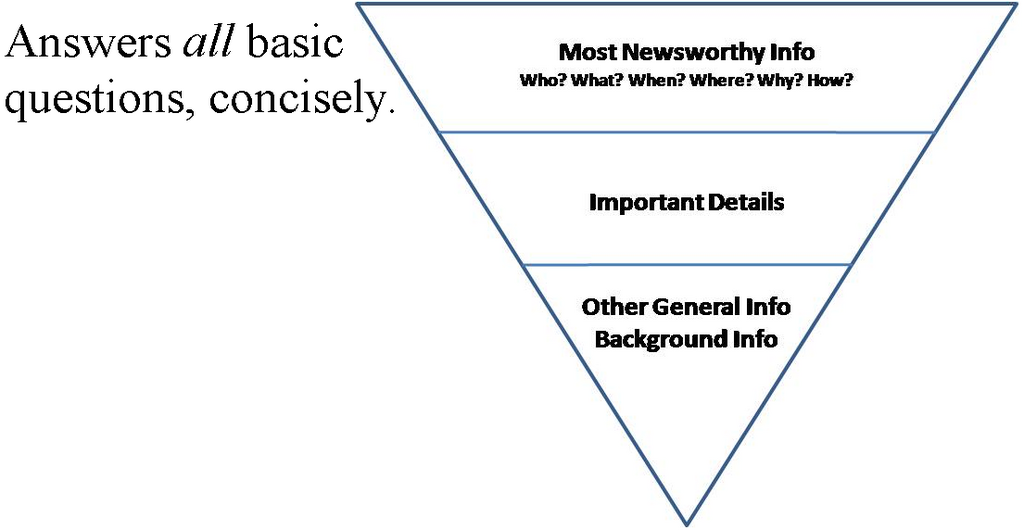
- Body: After the lead, the body provides supporting details. This can include quotes from key people, statistics, or background information that adds context to the story. Each paragraph should focus on a single idea.
- Boilerplate: This is a short, standardized paragraph at the end of the release that describes the company or organization. It gives journalists a quick overview of who you are and what you do.
- Contact Information: Finally, you must include the name, phone number, and email address of someone the media can contact for more information or to arrange an interview.
Making It Newsworthy
Just because you send out a press release doesn't mean it will get picked up. The story must be newsworthy. Journalists are looking for information that is relevant and interesting to their audience. Ask yourself: why should anyone care about this?
Newsworthiness often comes down to a few key criteria:
- Timeliness: Is the news happening now? Old news isn't news.
- Impact: How many people does this affect? A new city-wide recycling program has more impact than a single office's new policy.
- Proximity: Is the story local to the outlet's audience?
- Human Interest: Does it tell a compelling, emotional story about a person or group?
The news may be exciting internally, but it's important that the release provides an overall angle.
A press release about a new software update isn't just about the update itself. It's about how that update solves a major problem for its users. Framing your announcement around a compelling angle is the key to capturing media attention.
Now, let's review the key terms we've covered.
Ready to test your knowledge?
What is the primary purpose of a press release?
The "inverted pyramid" structure in a press release means placing the most critical information (the Who, What, When, Where, Why) at the very beginning.
A well-structured press release is a fundamental tool in public relations. By mastering its components and focusing on newsworthiness, you can effectively communicate your message to the media and the public.