Write and Publish Your Adult English Book as PDF
Understanding Adult Fiction
What Makes Fiction "Adult"?
When we talk about adult fiction, we're not necessarily talking about explicit content. Instead, the distinction lies in the complexity of its themes and characters. While stories for younger readers often focus on coming-of-age and finding one's place in the world, adult fiction delves into the nuances of life that follow.
These stories grapple with mature themes like mortality, intricate relationships, career challenges, and societal pressures. The characters are often fully formed individuals navigating a world that isn't black and white. They make difficult choices, face ambiguous moral dilemmas, and their growth—or lack thereof—is central to the narrative.
The key difference is depth. Adult fiction explores the internal and external conflicts of characters who have a more complex history and a wider range of life experiences.
Theme
noun
The central idea, topic, or point of a story, plot, or message. It's the underlying insight or question about life and human nature that the story explores.
Exploring the Landscape
Adult fiction isn't a single category; it's a vast landscape of genres, each with its own conventions and reader expectations. Understanding these genres helps you find your niche and connect with the right audience.
The broadest distinction is between Literary and Genre Fiction. Literary fiction prioritizes character study, language, and theme over a fast-moving plot. Genre fiction, on the other hand, follows the conventions of a specific category, like mystery or romance, to deliver a specific kind of reading experience.
| Genre | Key Characteristics | Example |
|---|---|---|
| Literary Fiction | Focus on character, prose, and complex themes; often introspective. | The Great Gatsby by F. Scott Fitzgerald |
| Thriller | High stakes, suspense, and a fast pace keep the reader on edge. | Gone Girl by Gillian Flynn |
| Romance | Centers on a romantic relationship and its development. | Pride and Prejudice by Jane Austen |
| Science Fiction | Explores futuristic concepts, technology, and alternate realities. | Dune by Frank Herbert |
| Fantasy | Contains magical or supernatural elements that don't exist in the real world. | The Lord of the Rings by J.R.R. Tolkien |
| Historical Fiction | Set in the past, often weaving fictional characters into real historical events. | Wolf Hall by Hilary Mantel |
Of course, these categories often overlap. A science fiction novel can have strong romantic elements, and a thriller can be deeply literary. Genres are simply tools to help readers find the stories they love.
Knowing Your Reader
Who are you writing for? Answering this question is one of the most important steps in crafting a successful story. Your target audience influences everything from your character's voice to the complexity of your plot. Writing a gritty detective novel for someone who loves cozy mysteries is a recipe for disappointment.
To make stories resonate, it is essential to understand the readers’ ages, interests, and abilities.
To get a handle on your audience, start by becoming a part of their community. Read the books they're reading. What do they praise in reviews? What do they complain about? Websites like Goodreads, book blogs, and social media hashtags for your genre are invaluable sources of insight.
Try creating a reader persona—a fictional profile of your ideal reader. Give them a name, an age, a job, and hobbies. What do they look for in a story? What are their pet peeves? Writing for this specific person is far more effective than writing for a vague, faceless crowd.
The Core of a Good Story
Regardless of genre, all engaging stories are built on a few fundamental elements. These are the pillars that support your narrative and keep readers turning the pages.
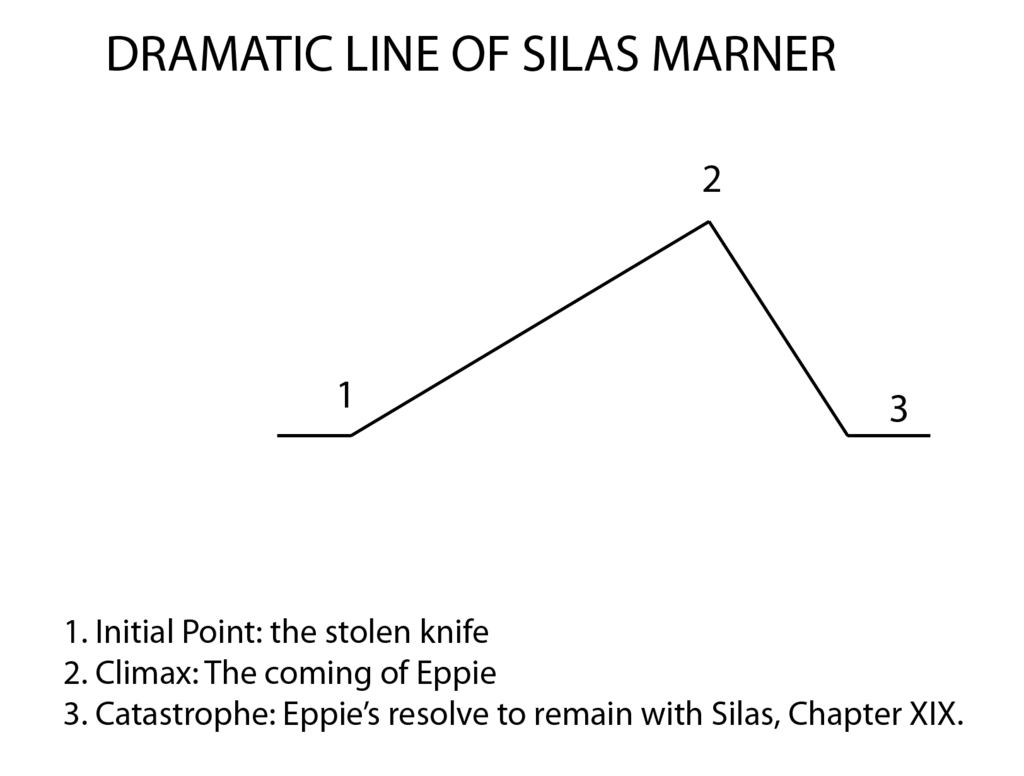
Characters: Your protagonist is the reader's entry point into the story. They need to be relatable, even if they aren't always likable. Give them clear motivations, flaws, and a compelling internal struggle. A character who starts in one place and ends in another—whether for better or worse—creates a satisfying character arc.
Plot & Conflict: The plot is what happens; conflict is why it matters. Conflict is the engine of your story. It can be external (a hero fighting a dragon) or internal (a character battling their own fears). A story without meaningful conflict is just a series of events.
Setting: The time and place of your story is more than just a backdrop. A well-realized setting can create atmosphere, influence the characters' actions, and even become a character in its own right.
Point of View (POV): Through whose eyes is the story told? First-person ("I saw") creates intimacy, while third-person ("she saw") allows for a broader perspective. The choice of POV drastically affects how the reader experiences the story.
These elements work together. A compelling character's decisions drive the plot, the setting creates the conflict, and the theme gives it all meaning.
With these foundations in mind, you can start building a story that not only entertains but also resonates with your adult audience.