World War II Unveiled
Origins of World War II
The Seeds of a Second War
World War I was called "the war to end all wars." When it concluded in 1918, the world hoped for a lasting peace. Instead, the decisions made in its aftermath created a fragile new order, planting the seeds for an even more devastating conflict just two decades later. The road to World War II began not with a bang, but with the stroke of a pen at a peace conference in France.
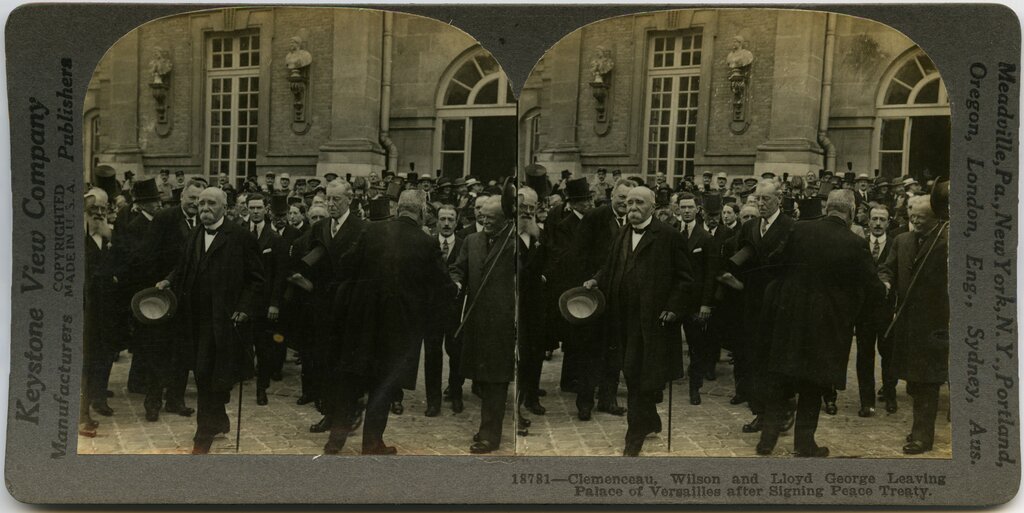
The Treaty of Versailles, signed in 1919, officially ended the war but left a legacy of bitterness, especially in Germany. The victorious Allied powers—primarily France, Britain, and the United States—designed the treaty to punish Germany and prevent it from ever again becoming a military threat. The terms were severe.
| Provision | Impact on Germany |
|---|---|
| War Guilt Clause | Forced to accept sole blame for the war. |
| Reparations | Required to pay crippling sums to the Allies. |
| Territorial Losses | Lost significant territory, including Alsace-Lorraine and all overseas colonies. |
| Military Restrictions | Army limited to 100,000 men; navy and air force dismantled. |
These conditions crippled the German economy and fostered a deep sense of national humiliation. Many Germans felt the terms were unjust and looked for someone to blame. This created fertile ground for extremist political movements that promised to restore Germany's honor and strength.
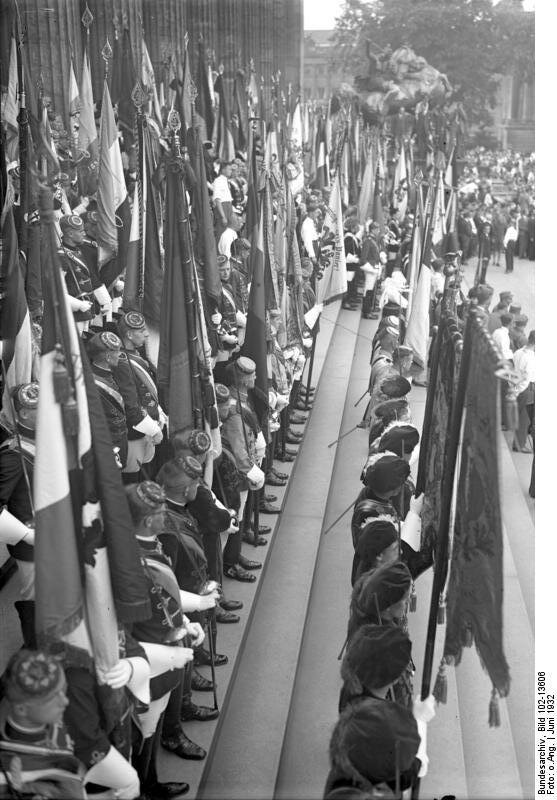
Economic Despair, Political Extremes
The worldwide Great Depression of the 1930s pushed already struggling nations over the edge. As economies collapsed and unemployment skyrocketed, people lost faith in their democratic governments. In this climate of fear and desperation, charismatic dictators rose to power by offering simple, aggressive solutions.
In Italy, Benito Mussolini's Fascist Party promised to restore order and national pride. In Japan, military leaders took control, arguing that expansion was the only way to secure the resources the island nation needed. And in Germany, Adolf Hitler and the Nazi Party exploited public anger over the treaty and the economic crisis, blaming Germany's problems on outsiders and promising a return to greatness.
fascism
noun
A political system led by a dictator who forcibly suppresses opposition and criticism, regimenting all industry and commerce, and emphasizing an aggressive nationalism and often racism.
These totalitarian regimes were built on total control over their people and a belief in military expansion. They saw conquest not just as a goal but as a necessity for national survival and glory. Their ambitions put them on a collision course with the existing world order.
A Toothless Watchdog
The League of Nations was created after World War I to prevent another global conflict. Its mission was to solve international disputes through negotiation and collective security. The idea was simple: an attack on one member would be considered an attack on all. But the League had fatal flaws from the start.
Crucially, the United States never joined, which robbed the organization of a powerful voice. The League also had no army of its own, so it couldn't enforce its decisions. It could only recommend economic sanctions, which were often ignored.
Aggressor nations quickly learned they could act with impunity. In 1931, Japan invaded Manchuria, a region of China. The League condemned the action, but did nothing. Japan simply withdrew from the League. In 1935, Italy invaded Ethiopia, and again, the League's response was ineffective. A year later, Hitler defied the Treaty of Versailles by sending troops into the Rhineland, a demilitarized zone bordering France.
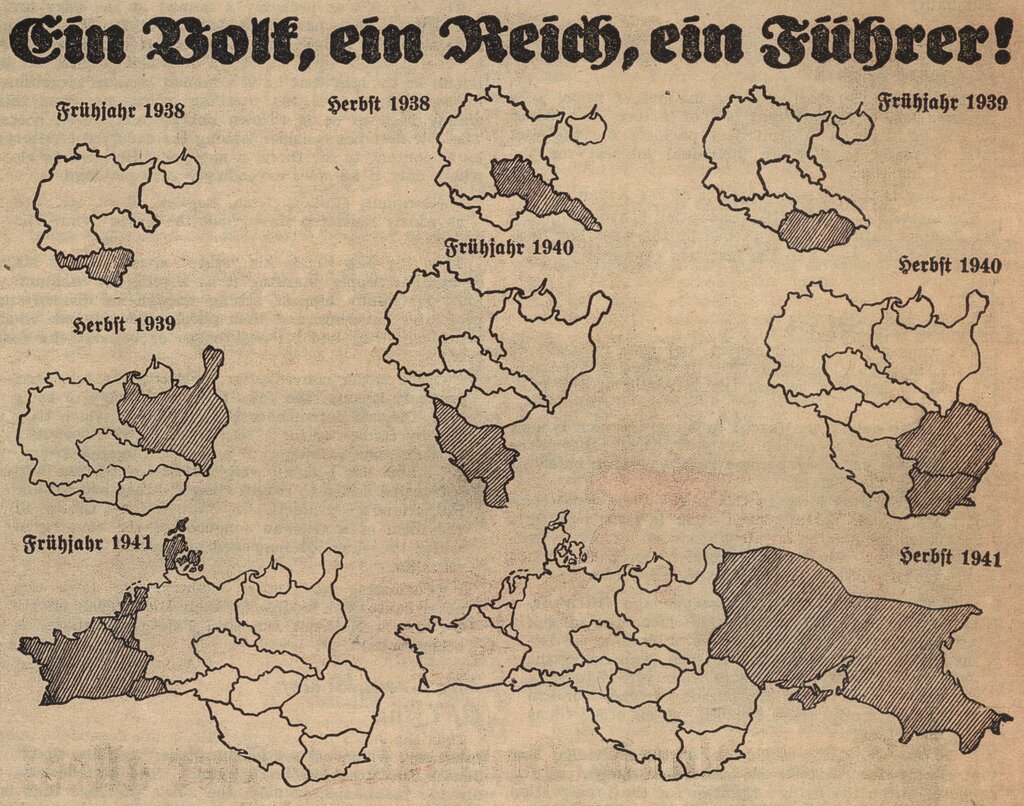
Each unchallenged act of aggression emboldened the Axis powers and undermined the principle of collective security. It became clear that the international community lacked the will to stop them. The path to war was now wide open.
Ready to check your understanding of the complex causes that led to the world's deadliest conflict?
What was a primary purpose of the Treaty of Versailles signed in 1919?
How did the Great Depression of the 1930s contribute to the outbreak of World War II?
A punitive peace treaty, global economic collapse, the rise of aggressive ideologies, and the failure of international institutions created a perfect storm. The war that was meant to end all wars had, in fact, set the stage for a new and even more terrible one.