World War II for Young Historians
Road to War
An Unstable Peace
World War I was supposed to be "the war to end all wars." When it concluded, the victorious powers met to draft a treaty that would ensure peace. The result was the Treaty of Versailles in 1919. Instead of fostering stability, it planted the seeds for another, even more devastating conflict. The treaty imposed harsh terms on Germany, which was forced to accept full blame for the war, pay crippling reparations, disarm its military, and give up significant territory.
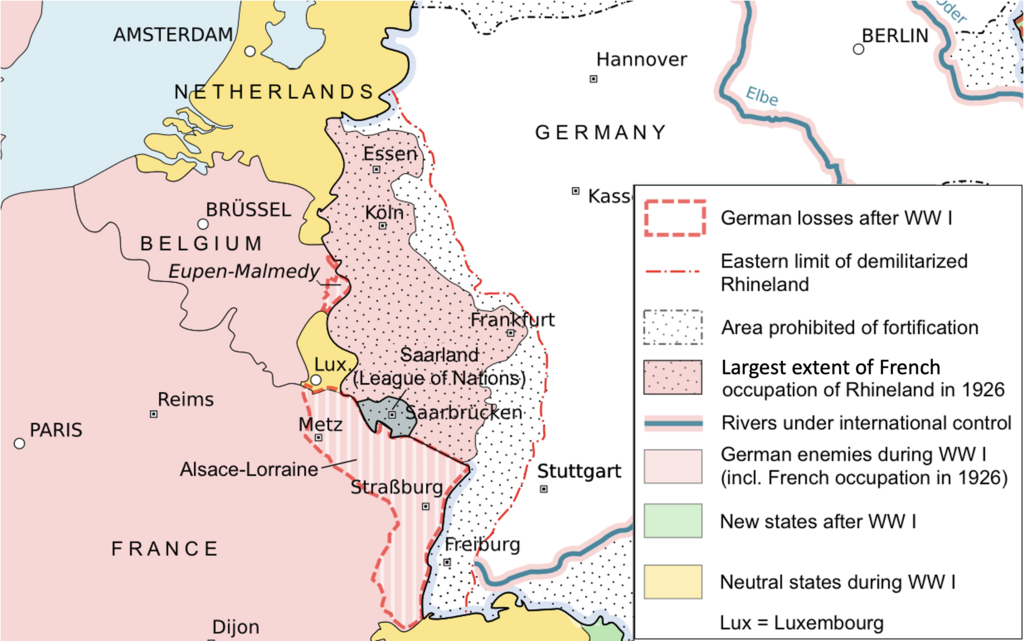
Many Germans viewed the treaty not as a negotiated peace but as a "Diktat," or a dictated peace. The economic strain of reparations, combined with national humiliation, created deep resentment and crippled the new democratic government, the Weimar Republic.
This fragile situation was shattered by the Great Depression in 1929. The global economic collapse hit Germany especially hard. American loans that had propped up its economy vanished. Unemployment soared, and people grew desperate. This economic chaos created fertile ground for extremist political movements that promised simple solutions and a return to national glory.
The Rise of Dictators
In times of crisis, charismatic leaders with radical ideas often find an audience. In Italy, Benito Mussolini and his Fascist party had already seized power. In Germany, Adolf Hitler and the Nazi Party capitalized on the public's anger and despair. Hitler promised to restore German greatness, defy the Treaty of Versailles, and create "Lebensraum," or living space, for the German people by expanding eastward.
These aggressive, nationalistic ambitions led to new international partnerships. Germany, Italy, and Japan formed an alliance known as the Axis powers. They shared a common opposition to the Western democracies and the Soviet Union. In response, the major democratic nations, primarily Great Britain and France, were known as the Allied powers.
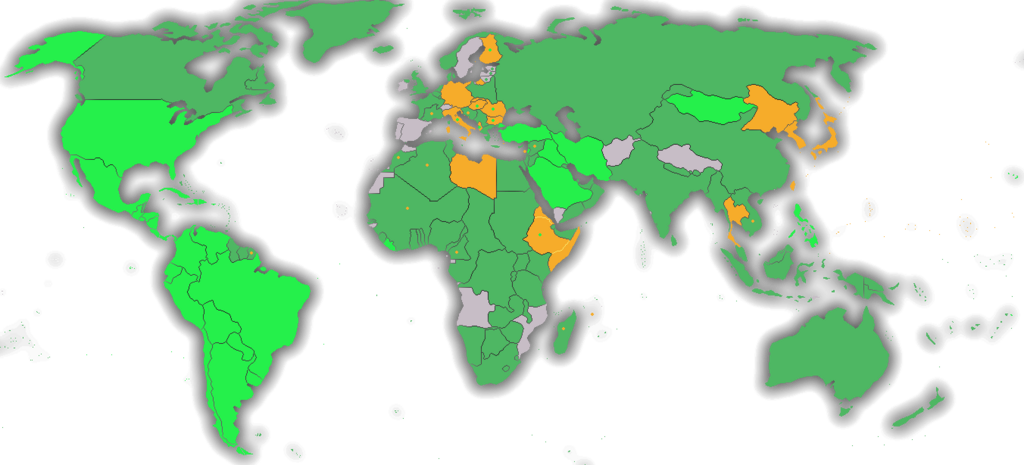
Hitler began to openly challenge the post-war order. In 1936, he remilitarized the Rhineland, a direct violation of the treaty. Two years later, he annexed Austria in an event known as the Anschluss. The world watched, but did little.
The Gamble of Appeasement
Why didn't the Allies stop Hitler sooner? The answer lies in a policy called appeasement. Haunted by the memory of World War I's horrific casualties, leaders like British Prime Minister Neville Chamberlain were desperate to avoid another war. They believed that if they gave in to some of Hitler's demands, he would eventually be satisfied and peace could be maintained.
The ultimate test of this policy came in 1938 with the Sudetenland crisis. Hitler demanded the German-speaking border regions of Czechoslovakia. At the Munich Conference, Britain and France agreed to his demands, sacrificing Czechoslovakia in the hope of securing "peace for our time." It was a fatal miscalculation.
Appeasement was based on the idea that Hitler was a rational actor who could be satisfied. Instead, each concession only emboldened him, confirming his belief that the Western democracies were weak.
Appeasement failed because Hitler's ambitions were limitless. In March 1939, he broke his Munich promise and invaded the rest of Czechoslovakia. This proved he wasn't just interested in uniting German-speakers; he wanted to dominate Europe. Britain and France finally realized that war was inevitable. They pledged to defend Poland, Hitler's next target.
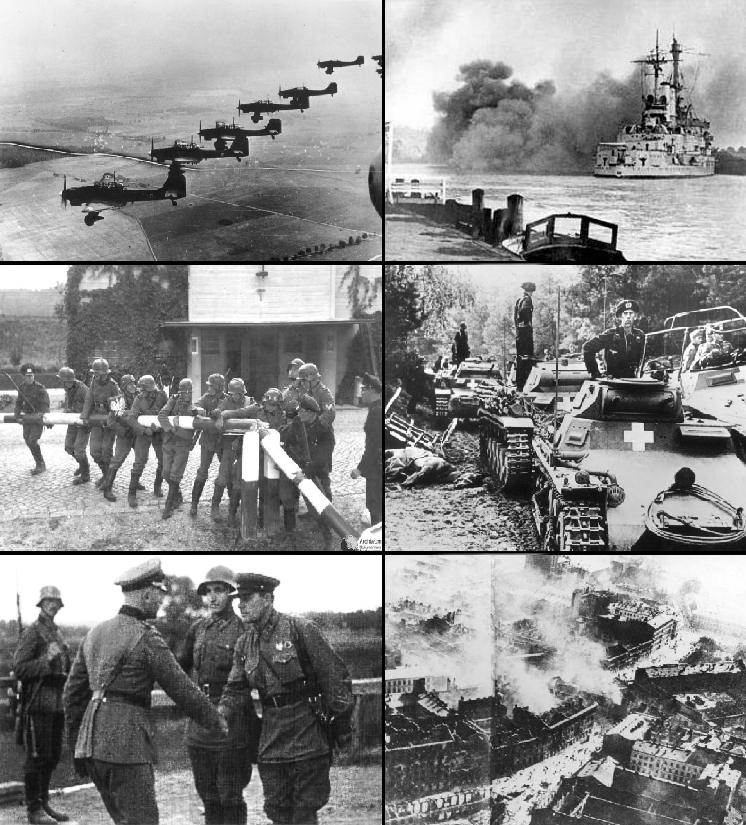
On September 1, 1939, German forces invaded Poland. Honoring their guarantee, Britain and France declared war on Germany two days later. The world was once again at war.
Now, let's test your understanding of the key events and concepts that led to the outbreak of World War II.
What was a major consequence of the harsh terms of the Treaty of Versailles on Germany?
The policy of appeasement, practiced by Britain and France in the 1930s, was based on the belief that...
The failure to create a lasting peace after World War I, combined with economic devastation and the rise of aggressive dictatorships, set the stage for a conflict that would engulf the globe.