World War II Explained
World War I Aftermath
The War to End All Peace
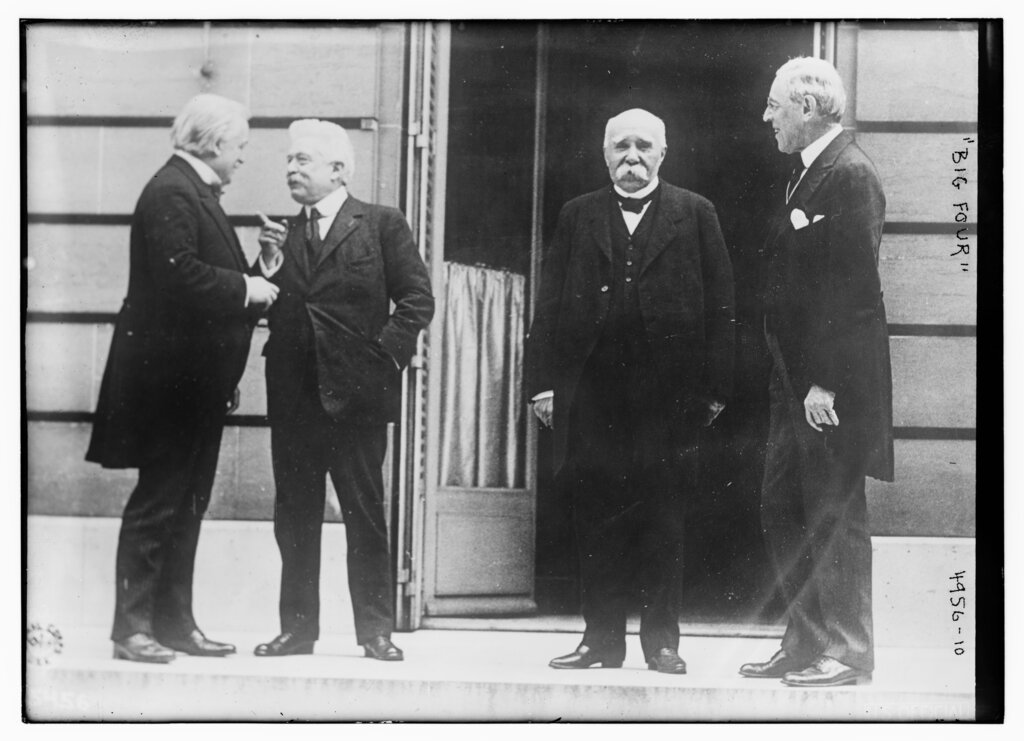
World War I ended in November 1918, but the fighting left behind a shattered Europe. The victorious Allied powers, led by France, Great Britain, and the United States, gathered in Paris to decide the terms of peace. They wanted to ensure such a devastating conflict could never happen again. Their solution, the Treaty of Versailles, was intended to build a lasting peace. Instead, it planted the seeds for future conflict.
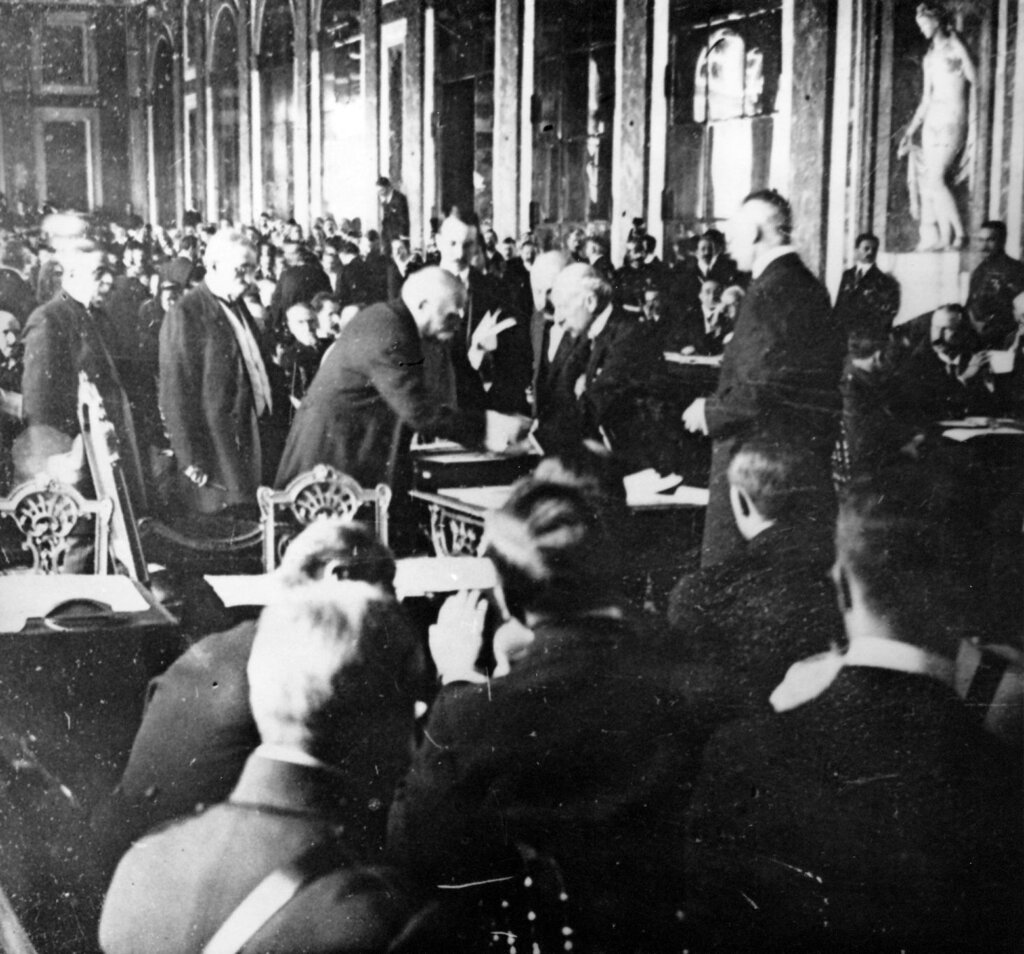
The treaty was signed in the Hall of Mirrors at the Palace of Versailles, the same place where the German Empire had been proclaimed in 1871. This was no accident. France, which had suffered immense destruction, wanted to humiliate Germany. The treaty was less a negotiation and more a series of demands presented to a defeated nation.
A Bitter Pill
The terms of the Treaty of Versailles were severe. Germany was forced to accept full responsibility for the war through the "War Guilt Clause." This clause was the legal basis for the other punishing terms.
First, Germany lost significant territory. Alsace-Lorraine was returned to France, and other areas were given to Belgium, Denmark, and the newly formed state of Poland. Germany's overseas colonies were taken away and divided among the Allies. All told, Germany lost about 13% of its European territory and 10% of its population.
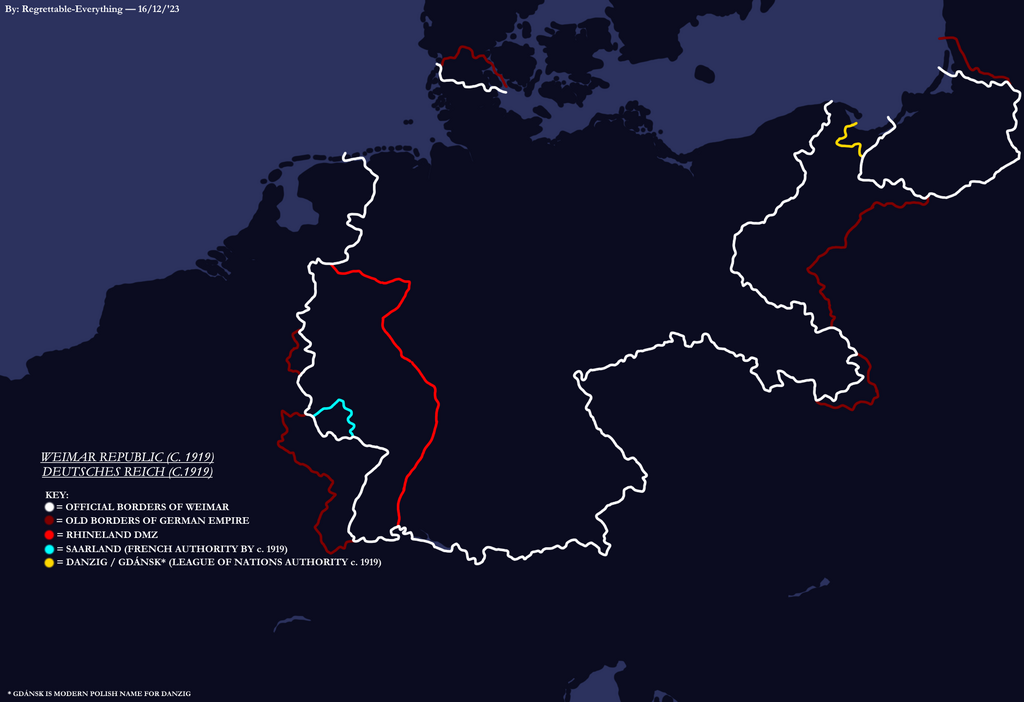
Second, the treaty imposed strict military restrictions. The German army was limited to just 100,000 men. It was forbidden from having an air force, tanks, or submarines. The Rhineland, a key industrial region bordering France, was demilitarized, meaning no German troops were allowed there. This was designed to protect France from any future invasion.
Finally, Germany was ordered to pay enormous financial reparations for the damage caused by the war. The final amount was set at 132 billion gold marks, an astronomical sum equivalent to trillions of dollars today. This financial burden was designed to cripple the German economy for decades.
The combination of the War Guilt Clause, territorial losses, military disarmament, and crushing reparations created deep and lasting resentment among the German people.
The economic consequences were immediate and disastrous. To make its initial payments, the new German government, known as the Weimar Republic, simply printed more money. This led to hyperinflation. By 1923, the German mark was worthless. Prices skyrocketed, and people's savings were wiped out. A loaf of bread that cost a few marks in the morning could cost thousands by the evening. This economic chaos created political instability, as Germans lost faith in their new democratic government, which they associated with the humiliating treaty.
A Flawed Hope for Peace
One of the few bright spots of the Paris Peace Conference was the creation of the League of Nations. Proposed by U.S. President Woodrow Wilson, the League was an international organization designed to resolve disputes between countries peacefully and prevent future wars through collective security. The idea was that an attack on one member nation would be considered an attack on all.
But the League of Nations was flawed from the start. Its biggest weakness was that it had no army of its own. It could only recommend sanctions or condemn actions; it had no power to enforce its decisions if a powerful nation chose to ignore them.
Perhaps its most critical failure was its membership. Ironically, the U.S. Senate refused to ratify the Treaty of Versailles, so the United States never joined the League. Other major powers, like Germany and the Soviet Union, were initially excluded. Without the participation of some of the world's most powerful countries, the League's authority was severely limited.
The League of Nations was a noble idea, but it lacked the power and universal support needed to stop aggressive nations in the 1930s. Its failures highlighted the difficulty of maintaining peace through diplomacy alone.
Now, let's review the key terms from this period.
Ready to check your understanding?
What was the primary goal of the victorious Allied powers when drafting the Treaty of Versailles?
What was the purpose of the "War Guilt Clause" in the Treaty of Versailles?
The aftermath of World War I set the stage for the next several decades of world history. The harsh peace imposed on Germany and the structural weaknesses of the League of Nations created a fragile international order that would ultimately collapse into another world war.