World War II An Overview
World War I Aftermath
A Flawed Peace
World War I ended on November 11, 1918, but the fighting left behind a shattered Europe. The task of building a lasting peace fell to the victorious Allied powers, who gathered in Paris in 1919. The result was the Treaty of Versailles, a document that aimed to prevent future wars but ultimately planted the seeds for another, even more devastating conflict.
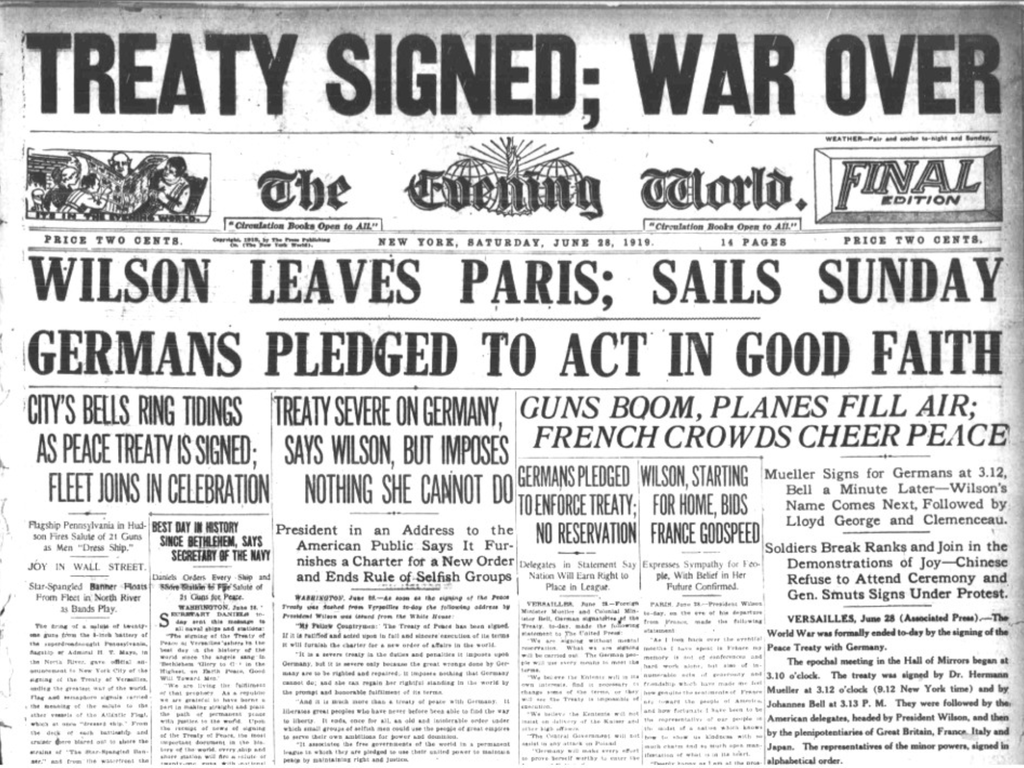
The treaty was primarily shaped by the leaders of Britain, France, and the United States. While the U.S. President Woodrow Wilson advocated for a more lenient "peace without victory," France, having suffered immense destruction, pushed for harsh penalties against Germany. The final terms reflected a compromise, but one that fell heavily on the defeated nation.
The Treaty of Versailles forced Germany to accept full responsibility for the war, pay crippling reparations, disarm its military, and give up significant territories.
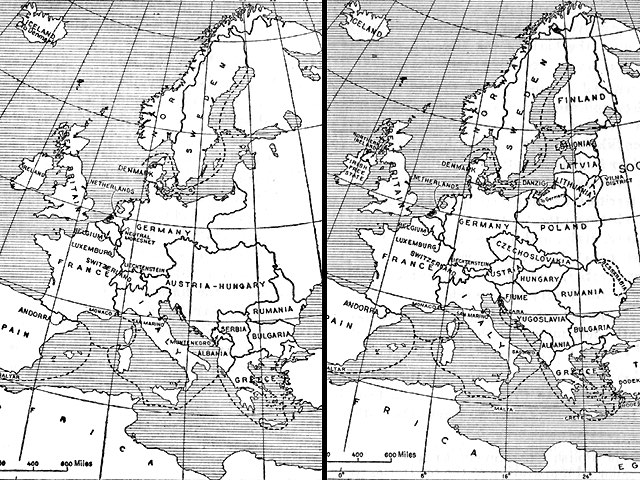
The most controversial part was the "War Guilt Clause," which legally blamed Germany for starting the war. This became a source of deep national humiliation. The financial burden was equally staggering. The reparations—payments for war damages—were set at an amount so high that Germany's economy would be strained for decades. Its army was reduced to a small defensive force, its navy was scuttled, and it was forbidden from having an air force. Finally, Germany lost about 13% of its European territory, including the industrial region of Alsace-Lorraine, and all of its overseas colonies.
Economic Collapse and New Dangers
The economic consequences for Germany were dire. To make reparation payments, the government printed more money, leading to hyperinflation. By 1923, the German mark was worthless. Prices skyrocketed daily, and people's life savings were wiped out. While the German economy stabilized briefly in the mid-1920s, it remained fragile.
The situation worsened dramatically with the start of the Great Depression in 1929. The global economic downturn, which began with the U.S. stock market crash, caused international trade to collapse and unemployment to soar worldwide. Germany, heavily reliant on American loans, was hit particularly hard. Businesses failed, millions lost their jobs, and the country plunged into poverty and despair.
The Treaty of Versailles was signed in 1919 and set harsh terms for Germany’s surrender to Allied powers after World War I, setting the stage for World War II.
This climate of economic hardship and national resentment created a fertile ground for extremist political movements. In Germany, the Nazi Party, led by Adolf Hitler, capitalized on the public's anger. They promised to restore German pride, reject the Treaty of Versailles, and rebuild the economy. Similar totalitarian regimes rose to power elsewhere. In Italy, Benito Mussolini's Fascist party took control, and in Japan, military leaders gained influence, pushing for aggressive expansion to secure resources and territory.
These regimes shared a common rejection of democracy, a glorification of the state, and a belief in military force to achieve their national goals. The perceived injustices of the post-war settlement fueled their rise, turning the "war to end all wars" into a mere prelude.
Now, let's test your understanding of the period that followed World War I.
What was the primary purpose of the 'War Guilt Clause' in the Treaty of Versailles?
Which of the following best describes the differing views of French and American leaders during the drafting of the Treaty of Versailles?
The Treaty of Versailles, intended to secure peace, instead created conditions of hardship and humiliation that allowed aggressive new ideologies to take hold, setting the stage for the next global conflict.