World History Essentials
Early Civilizations
The Great Shift
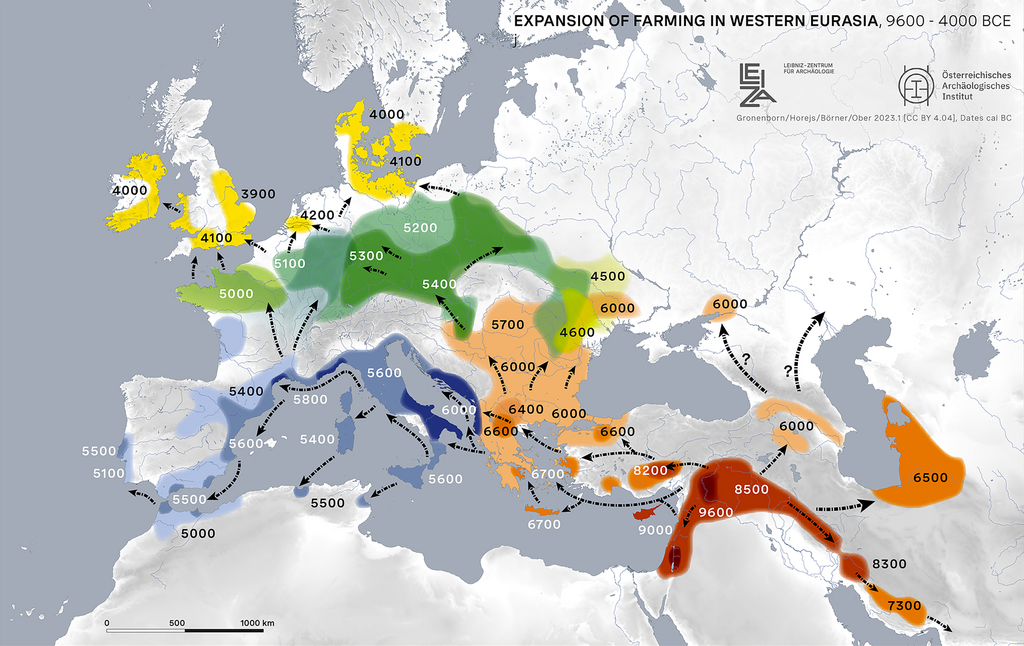
For most of human history, people were nomads. They moved from place to place, hunting animals and gathering wild plants. Their lives were shaped by the seasons and the constant search for food. Then, around 10,000 BCE, something revolutionary happened. People in different parts of the world began to domesticate plants and animals.
This change, known as the Neolithic Revolution, was a slow burn, not a sudden event. It began in the Fertile Crescent of the Middle East and independently sprouted in other regions. Instead of chasing their food, people started to grow it. They planted seeds, tended crops, and raised livestock. This seemingly simple shift from hunting and gathering to agriculture changed everything.
Farming required people to stay in one place. This led to the first permanent villages, which grew over time into towns and eventually cities. With a more stable food supply, populations grew. Life was no longer just about daily survival. People had time to develop new skills, leading to specialized jobs like potters, weavers, and priests. Society was becoming more complex.
civilization
noun
An advanced stage of human social and cultural development, characterized by cities, specialized labor, complex institutions, record keeping, and advanced technology.
This new way of living laid the groundwork for the world's first civilizations. These complex societies emerged in river valleys where the soil was fertile and water was plentiful, perfect for farming. Four of the earliest and most influential civilizations arose in Mesopotamia, Egypt, the Indus Valley, and China.
The Land Between Two Rivers
Mesopotamia, which means "land between the rivers" in Greek, was located in the Fertile Crescent between the Tigris and Euphrates rivers. The area, part of modern-day Iraq, was hot and dry, but the rivers made the land fertile. Mesopotamians learned to control the rivers through irrigation, creating a surplus of food that supported large populations.
Unlike a single unified kingdom, Mesopotamia was a collection of independent city-states, like Uruk, Ur, and Babylon. Each city had its own government and patron god. These cities were centers of innovation. The Mesopotamians are credited with inventing the wheel, the plow, and the sailboat. They also developed the first system of writing, cuneiform.
This wedge-shaped script was pressed into wet clay tablets. Initially used for keeping track of goods and taxes, cuneiform evolved to record laws, history, and literature, including the famous Epic of Gilgamesh. They also created some of the earliest written legal codes, like the Code of Hammurabi, which established a system of justice for all to see.
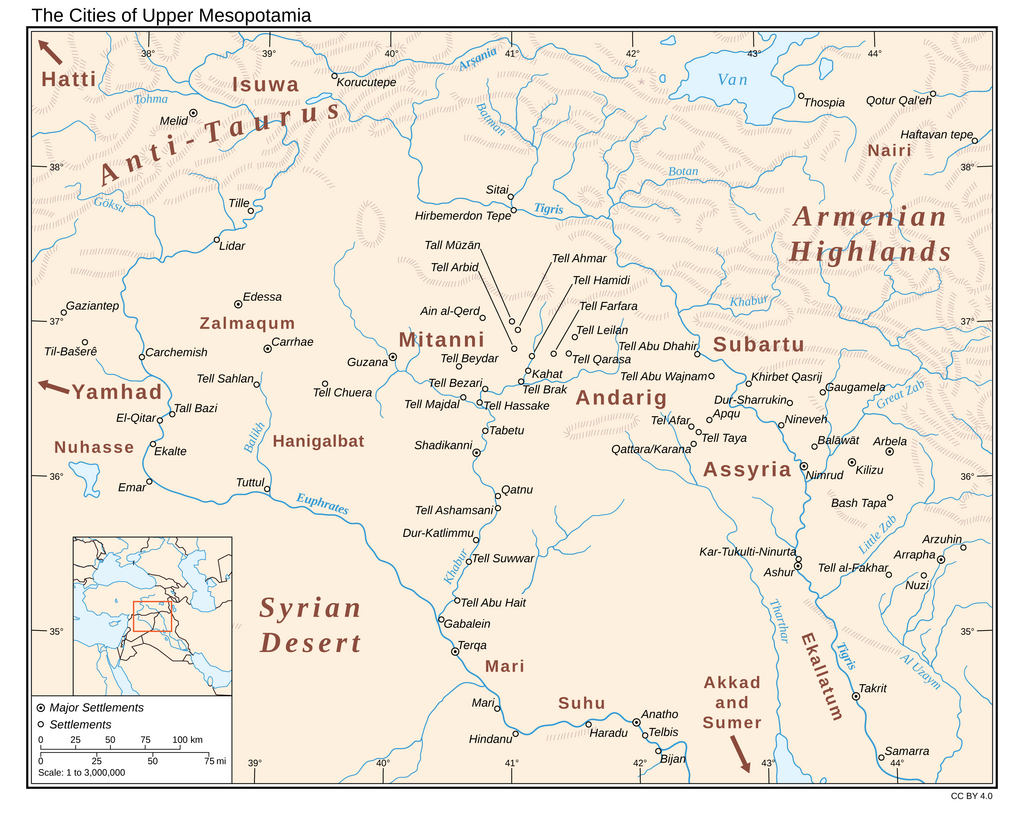
Mesopotamian religion was polytheistic, with each city-state worshipping its own set of gods and goddesses who were believed to control natural forces. Ziggurats, massive terraced temples, were built at the center of cities to honor them.
The Gift of the Nile
To the west of Mesopotamia, another great civilization emerged along the banks of the Nile River. Ancient Egypt was often called "the gift of the Nile" because its existence depended entirely on the river's predictable annual floods. Each year, the Nile would overflow, depositing a layer of rich, fertile silt that made farming possible in the midst of a vast desert.
Unlike the fractious city-states of Mesopotamia, Egypt was a unified kingdom under a single ruler, the pharaoh. The pharaoh was considered a living god, with absolute power over the people and the land. This centralized government allowed for the organization of massive construction projects, such as the pyramids and temples that still stand today.
Egyptian society was highly structured. At the top was the pharaoh, followed by priests and nobles, then scribes and craftspeople, and finally, a vast population of farmers. Religion was central to Egyptian life. They had a complex pantheon of gods and a strong belief in an afterlife, which led to intricate burial practices like mummification and the construction of elaborate tombs.
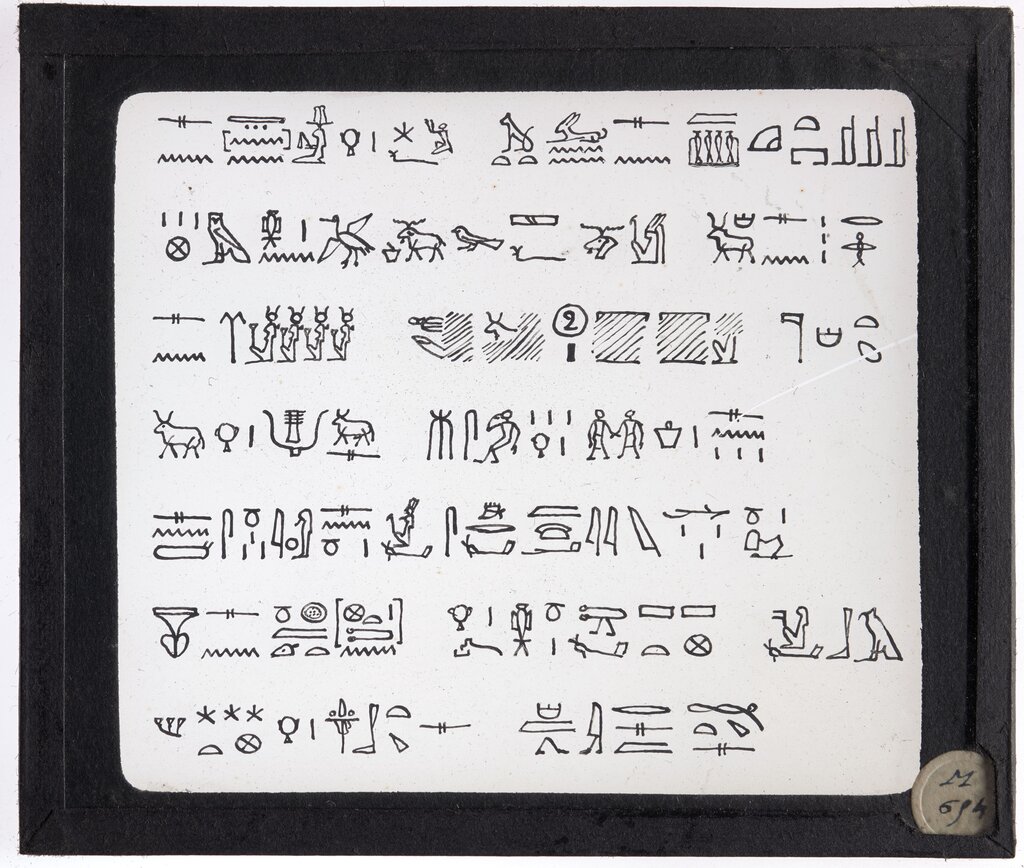
To manage their complex society, the Egyptians developed a writing system called hieroglyphics. This system used pictures and symbols to represent objects, ideas, and sounds. They also made incredible advances in mathematics, medicine, and astronomy, developing a 365-day calendar based on the Nile's flood cycle and the stars.
Cities on the Indus
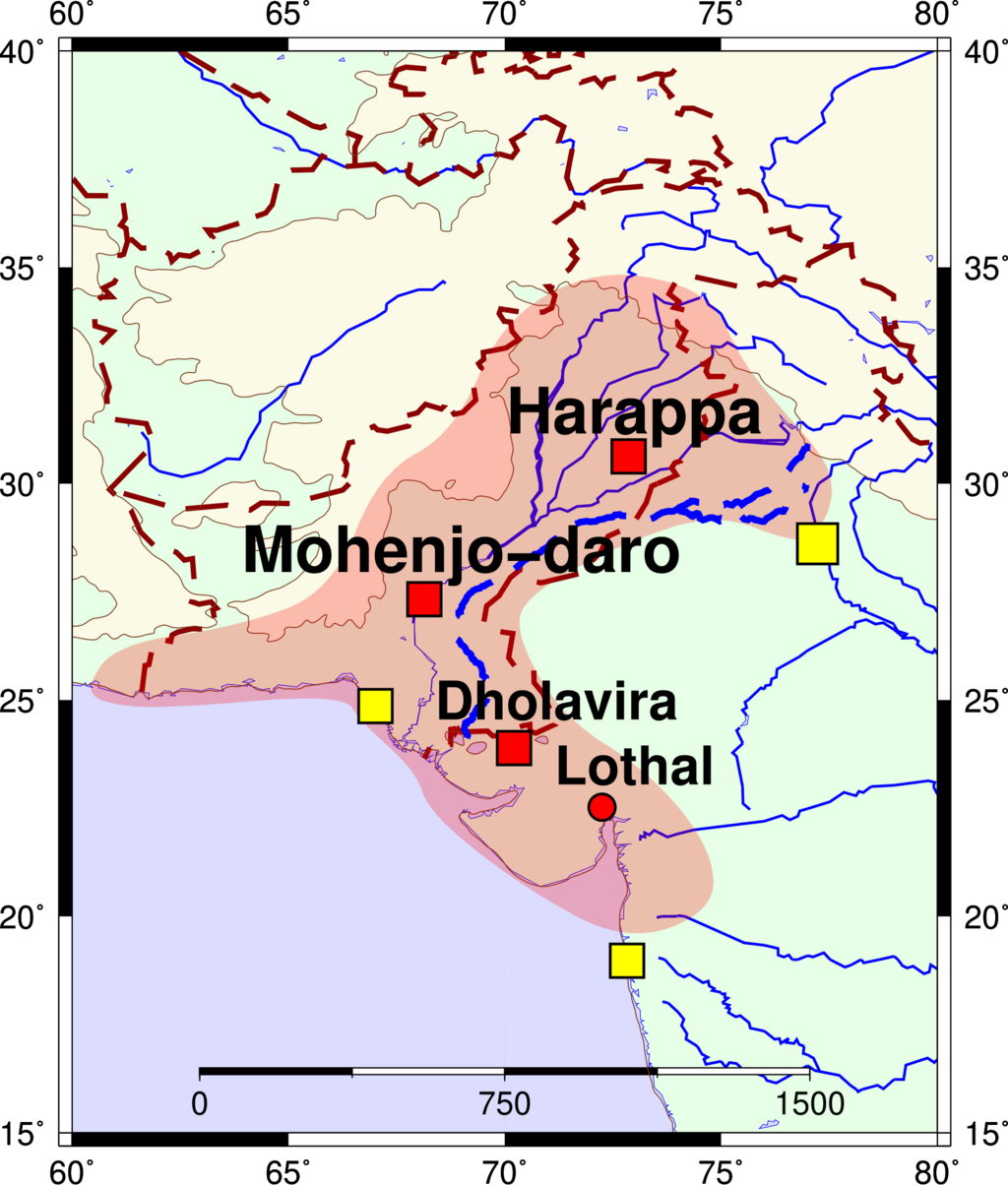
Around the same time, a vast civilization was flourishing in the Indus River Valley, in what is now Pakistan and northwest India. The Indus Valley Civilization, also known as the Harappan Civilization, was one of the most widespread of the ancient world.
What truly set this civilization apart was its remarkable urban planning. Cities like Mohenjo-Daro and Harappa were built on a precise grid system, with straight streets and well-defined residential and administrative areas. Houses were made of uniform, baked bricks and many had their own bathrooms and wells. Most impressive was their sophisticated sewer and drainage system, a feat of engineering unmatched for thousands of years.
Despite their achievements, much about the Indus Valley people remains a mystery. We haven't yet deciphered their writing system, which consists of hundreds of unique symbols found on small seals. Their social structure and religious beliefs are also not well understood, though evidence suggests they worshipped a mother goddess and certain animals. Around 1900 BCE, this advanced civilization began to decline, possibly due to environmental changes or invasion.
The Middle Kingdom
In the fertile basin of the Yellow River in China, another powerful civilization took root. Early Chinese society was organized around a series of dynasties, or ruling families. According to legend, the first was the Xia dynasty, but the first to be confirmed by archaeological evidence is the Shang Dynasty (c. 1600–1046 BCE).
The Shang were skilled bronze workers, creating intricate vessels for religious rituals. They were ruled by a king who also served as a high priest. An important part of their religion was ancestor worship and divination. Priests would carve questions into oracle bones—usually turtle shells or animal bones—and then heat them until they cracked. The cracks were then interpreted as answers from the ancestors.
The inscriptions on oracle bones are the earliest known form of Chinese writing. This system, which used characters to represent whole words or ideas, is the direct ancestor of the modern Chinese writing system.
The Shang were eventually overthrown by the Zhou Dynasty (c. 1046–256 BCE). The Zhou introduced a key concept to Chinese political thought: the Mandate of Heaven. This was the idea that a ruler's right to rule was granted by the gods, but it could be taken away if the ruler became unjust or ineffective. This belief was used to justify the overthrow of dynasties and would influence Chinese governance for centuries.
Ready to test your knowledge of these ancient worlds?
The Neolithic Revolution marked a fundamental shift in human history. What was its most significant change?
Which early civilization developed in the fertile valley between the Tigris and Euphrates rivers?
These early civilizations, born from the shift to agriculture, set the stage for all of human history that followed. They were crucibles of innovation, creating the foundational elements—cities, governments, writing, and complex belief systems—that continue to shape our world today.