World History Chronology and Global Turning Points
Early Civilisation Dynamics
From Surplus to Statehood
The Agricultural Revolution created a powerful new problem: surplus. For the first time, communities in the Fertile Crescent, Indus Valley, and along the Yellow River produced more food than they could immediately eat. This abundance freed people from full-time farming, but it also created complex logistical challenges. Who managed the surplus grain? How was it stored and distributed? The most critical challenge, however, was managing water.
Controlling rivers like the Tigris, Euphrates, and Nile was the key to unlocking agricultural wealth. Early irrigation systems started small, but as populations grew, they became vast, interconnected networks of canals and dikes. A single farmer couldn't manage this; it required coordinated, community-wide effort. This need for large-scale water management gave rise to what historians call hydraulic empires—states whose power was fundamentally based on controlling the water supply. A centralised authority was needed to plan canal construction, mediate water disputes between villages, and organise the labour to maintain the system.
Centralised control over water wasn't just about agriculture; it was about political power. The authority that controlled the water controlled the food, and therefore, the people.
The Birth of Bureaucracy
Managing irrigation and food stores required more than just leadership; it required administration. This was the birth of bureaucracy: a class of people who weren't farmers or rulers, but professional managers. Their job was to keep records. They tracked how much grain was harvested, how much was stored, and how much was paid out to workers or priests. This created a new problem: human memory is unreliable. To manage the state's resources effectively, they needed a permanent, objective record-keeping system.
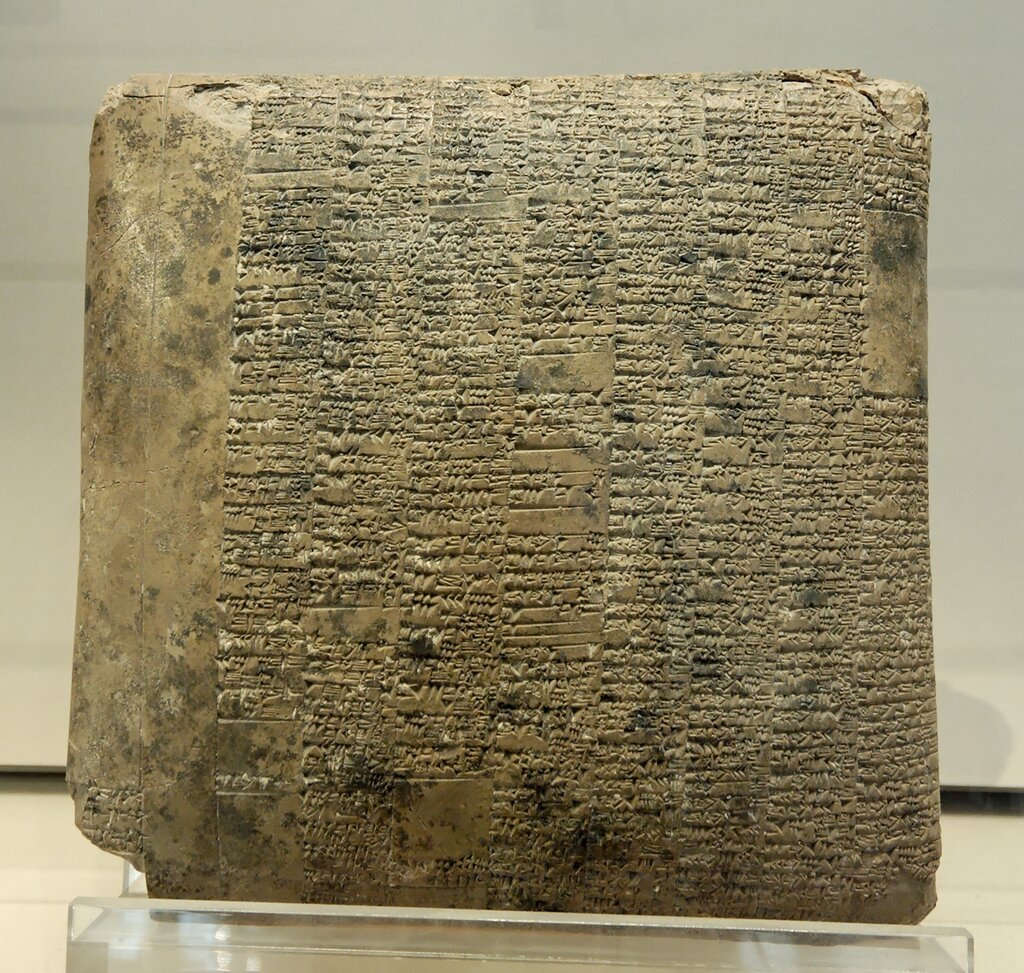
Writing was invented not for poetry or storytelling, but for accounting. Early writing systems like Mesopotamian were essentially complex spreadsheets. Scribes used clay tablets to record grain distribution, tax payments, and labour obligations. This seemingly mundane task was revolutionary. It allowed the state to plan for the future, to tax its population systematically, and to manage public works projects on a scale never before seen. Bureaucracy, powered by writing, became the engine of the early state.
The Urban Trade-Off
The stability provided by organised agriculture and bureaucracy allowed people to gather in numbers previously unimaginable. The first cities were born. Urban life offered huge advantages. It fostered job specialisation—potters, weavers, priests, and soldiers could now trade their skills for food. This concentration of people and ideas sparked innovation in art, architecture, and technology.
But cities came with severe downsides. Packing thousands of people together without modern sanitation was a recipe for disease. Epidemics could sweep through a city with devastating speed. Furthermore, urbanisation amplified social inequality. A clear hierarchy emerged, with a king and priestly class at the top, a middle class of artisans and merchants, and a large base of farmers and labourers at the bottom. This meant that the benefits of civilisation were not shared equally. The elite enjoyed luxury and security, while the poor faced hardship and exploitation.
As populations swelled and social tensions grew, informal customs were no longer enough to maintain order. Disputes over property, water rights, and trade became more frequent and complex. To prevent society from fracturing, rulers needed a new tool: codified law.
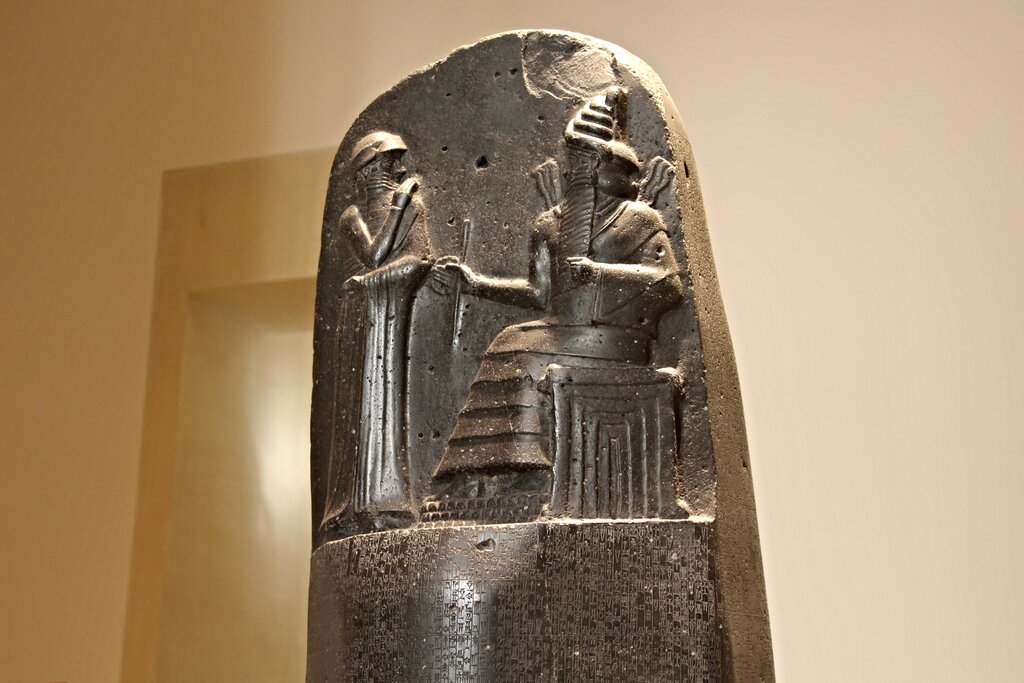
The Code of Hammurabi is the most famous example. It wasn't the first legal code, but it was remarkably comprehensive. Its 282 laws covered everything from commerce and property to family law and professional malpractice. The principle of "an eye for an eye" is well-known, but the code was more nuanced than that. It established different punishments based on social class and aimed to create a predictable legal system. By inscribing these laws on a public stone stele, Hammurabi wasn't just dictating rules; he was legitimising his rule. He was demonstrating that his authority came from a divine, just, and orderly system, not just brute force.
The Bronze Age Network
No civilisation is an island. The stability and surplus of early states allowed them to look outwards and engage in long-distance trade. The is named for the metal that drove this first wave of globalisation. Bronze, an alloy of copper and tin, was harder and more durable than any previous material, making it ideal for weapons and tools.
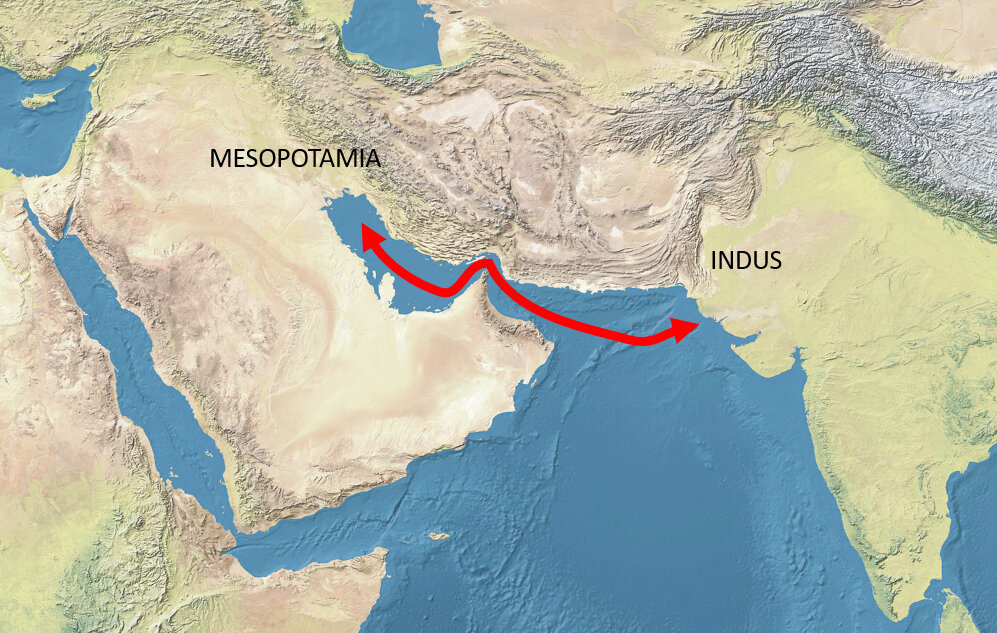
The catch was that copper and tin deposits are geographically rare and seldom found together. To make bronze, a society in Mesopotamia might need copper from Cyprus and tin from as far away as Afghanistan. This necessity created vast trans-regional trade networks. Merchants travelled thousands of kilometres by land and sea, exchanging metals, timber, textiles, and luxury goods. These routes didn't just carry goods; they carried ideas, technologies, languages, and cultures, weaving the early civilisations into a single, interconnected world system.
Before we test your knowledge, let's review the key terms from this section.
Ready to see what you've learned? Let's begin.
What was the primary driver for the development of "hydraulic empires" in early civilisations?
According to the provided text, what was the original purpose for the invention of writing systems like cuneiform?
The transition from simple farming villages to complex, interconnected states was driven by a series of challenges and innovations, from managing water to managing people. These ancient foundations shaped the very structure of society for millennia to come.