World Countries Overview
Introduction to Geography
What is Geography?
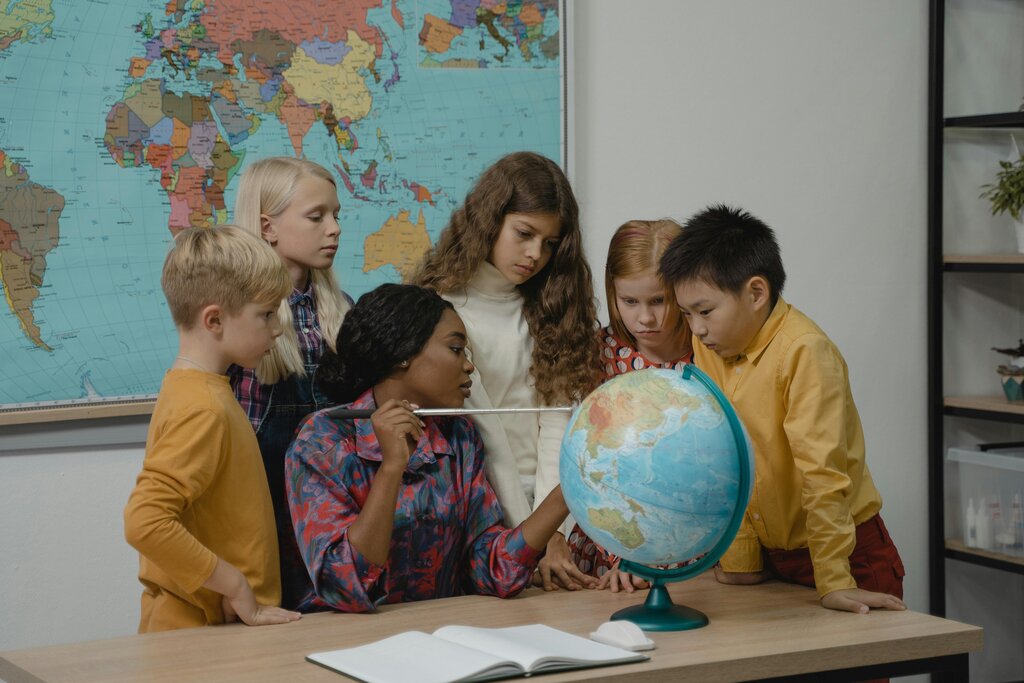
Geography is more than memorizing capitals and coloring maps. It’s the study of places and the relationships between people and their environments. Geographers explore both the physical properties of Earth’s surface and the human societies spread across it.
geography
noun
The study of the physical features of the earth and its atmosphere, and of human activity as it affects and is affected by these, including the distribution of populations and resources, land use, and industries.
Think of it as the 'why' of 'where.' Why is a city located on a river? How do mountains influence weather patterns? How do people in a desert adapt to their surroundings? These are the kinds of questions geographers ask.
Two Sides of the Same Planet
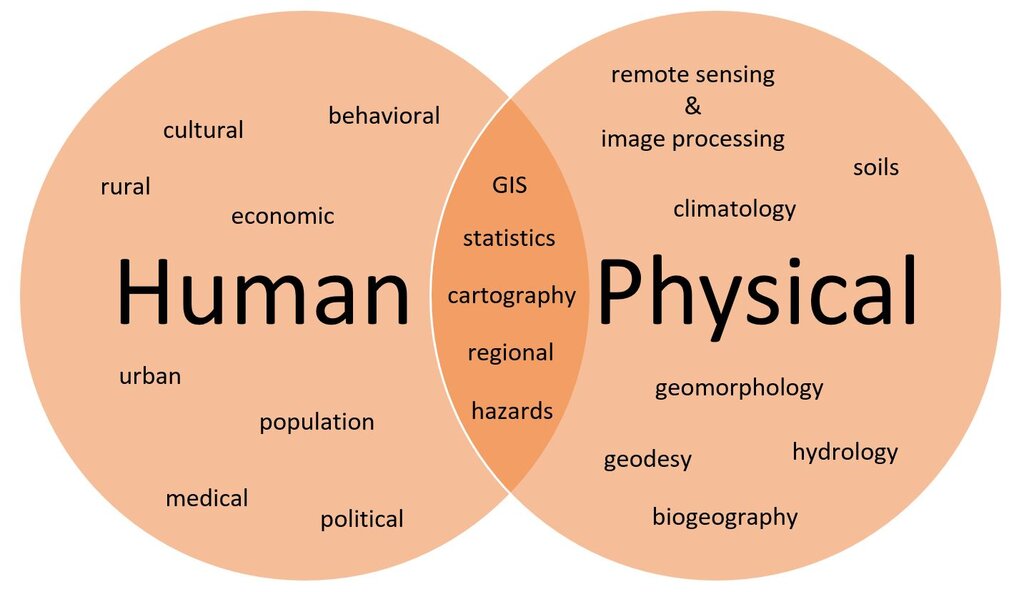
Geography is often split into two main branches: physical geography and human geography. They look at the world from different angles, but they are deeply connected.
Physical geography focuses on Earth’s natural processes and features. This includes landforms, climate, currents, and ecosystems. It’s the study of the planet itself.
Human geography centers on people. It examines how populations are distributed, the cultures they create, their economic activities, and how they organize and alter the space they live in.
The Five Themes
To make sense of such a broad field, geographers often use five themes to organize their questions and research. These themes are like lenses that help focus the study of a place.
Using the themes can help you better organize your learning about geography.
Let's break them down.
1. Location: Where is it?
This is the most basic geographic question. Location can be described in two ways.
Absolute location is a precise point on Earth, often given in coordinates of latitude and longitude. The address of your home is an absolute location.
Relative location is where a place is in relation to other places. You might say your home is 'two blocks south of the park.'
2. Place: What is it like?
If location is a dot on a map, place describes what that dot is actually like. Place is defined by its unique characteristics, both physical and human.
| Physical Characteristics | Human Characteristics |
|---|---|
| Mountains, rivers, climate | Language, religion, architecture |
| Wildlife, soil type | Population, government |
| Natural vegetation | Buildings, roads |
A place is the combination of these features. For example, the physical characteristics of Antarctica (ice sheets, extreme cold) directly influence its human characteristics (a small population of scientists in research stations).
3. Human-Environment Interaction
This theme explores the relationship between people and their environment. We affect our environment, and our environment affects us.
People can adapt to, modify, and depend on their environment.
- Adaptation: Wearing warm clothes in a cold climate.
- Modification: Building a dam to control a river and generate electricity.
- Dependence: Relying on a nearby river for water and transportation.
4. Movement: How are places connected?
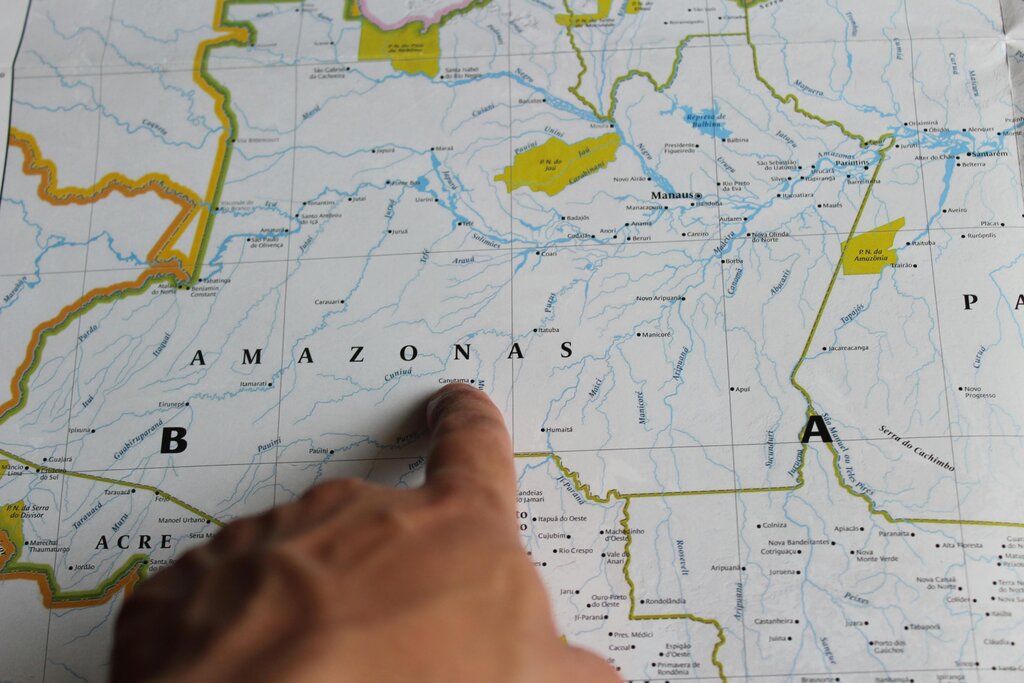
The world is in constant motion. This theme looks at the movement of people, goods, and ideas from one place to another. This can be anything from a daily commute to work, to the global shipment of electronics, to the spread of a new song on the internet.
Movement helps us understand how places are connected and interdependent.
5. Region: How do areas share features?
A region is an area of land that has common features. These features can be natural, like climate or landforms, or they can be human, like language, government, or religion. Regions help us simplify a complex world into manageable parts.
By using these five themes, geographers can analyze and understand any place on Earth, from your local neighborhood to an entire continent.
Which of the following questions is most central to the study of geography?
A geographer studying how the construction of the Hoover Dam impacted agriculture and settlement patterns in the American Southwest is primarily focusing on which theme of geography?
These core ideas form the foundation of all geographic study.