Workplace Technology Planning
Understanding Technology Project Planning
What is Tech Project Planning?
Think of technology project planning as creating a detailed blueprint before building a house. You wouldn’t just start laying bricks and hope for the best. You need to know what you're building, why you're building it, who you're building it for, what materials you'll need, and how long it will take. In the tech world, this blueprint is the project plan.
It’s a formal document that acts as a roadmap for your entire team. It defines the project's objectives, the steps needed to get there, the timeline, and the resources required. A good plan ensures everyone is on the same page and working toward the same goal, turning a bright idea into a tangible, finished product.
Without a plan, a project is just a wish. Planning turns that wish into a concrete set of actions.
Aligning Tech with Business Goals
A technology project can't exist in a vacuum. The most impressive piece of software is useless if it doesn't help the organization achieve its goals. This is where alignment comes in. Every tech project should be a direct answer to a business need or opportunity.
For example, if a company's goal is to improve customer satisfaction, a well-aligned tech project might be to develop a new mobile app that makes it easier for customers to track their orders. A project to redesign the internal email system, while potentially useful, wouldn't be as directly aligned with that specific business goal. The key is to always ask, "How will this project help the business succeed?"
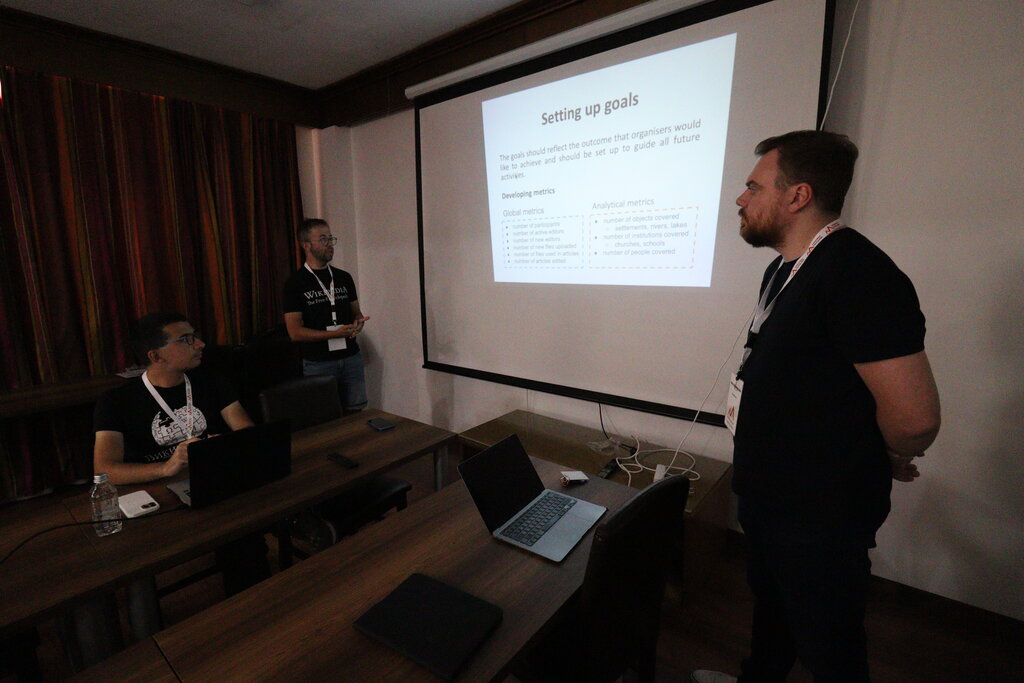
This alignment is critical for getting buy-in from leadership and securing a budget. When you can clearly show how your tech project will increase revenue, cut costs, or improve customer experience, it becomes a strategic investment rather than just an expense.
Key Roles and Responsibilities
A project is a team sport, and every player has a specific role. While teams can vary, a few key roles are almost always present in technology project management.
The Project Manager is like the director of a movie. They don't operate the camera or act in the scenes, but they are responsible for the overall vision and ensuring everything comes together on time and within budget. They coordinate the team, manage risks, and communicate with everyone involved.
Stakeholders are anyone with a vested interest in the project's outcome. This includes the business leaders who are funding the project, the end-users who will use the technology, and department heads whose teams will be affected. Finally, the Project Team consists of the developers, designers, engineers, and other specialists who do the hands-on work of building the product.
| Role | Key Responsibility |
|---|---|
| Project Manager | Guides the project from start to finish, managing resources and communication. |
| Stakeholder | Provides requirements, feedback, and has a vested interest in the outcome. |
| Project Team | Executes the tasks required to build and deliver the final product. |
The Five Phases of a Project
Every project, no matter its size, moves through a lifecycle. This journey is typically broken down into five distinct phases, which provide structure and checkpoints along the way.
1. Initiation This is the starting line. Here, the project is defined at a high level. Is the project feasible? What problem is it solving? The main goal is to get formal approval to proceed. The key output of this phase is a project charter, a short document that authorizes the project and outlines its main objectives and stakeholders.
2. Planning With the green light, it’s time to create that detailed blueprint. The project manager and team flesh out all the details: defining the scope, setting a budget, creating a timeline with milestones, identifying potential risks, and allocating resources. This phase is crucial; as the saying goes, failing to plan is planning to fail.
A comprehensive project plan includes the project schedule, project scope, due dates, and deliverables.
3. Execution This is where the work gets done. The project team starts building, coding, and designing. The project manager's job shifts to coordinating the team, managing communication, and keeping everything moving according to the plan. Regular team meetings and status updates are common during this phase.
4. Monitoring & Control This phase happens at the same time as execution. It’s all about tracking progress and making sure the project stays on course. Is the project on schedule? Is it within budget? Are there any unexpected problems? The project manager monitors key metrics and makes adjustments as needed to steer the project back on track if it starts to drift.
5. Closure Finally, the project is complete. But it’s not over just yet. The closure phase involves handing off the final product to the relevant team, releasing the project team to other work, and documenting the lessons learned. A post-project review helps the organization understand what went well and what could be improved for future projects. This ensures that each project makes the next one even better.
What is the primary purpose of a technology project plan?
A company's stated business goal is to significantly improve customer satisfaction. Which of the following tech projects is most directly aligned with this goal?
These phases provide a reliable framework for navigating the complexities of any technology project, ensuring a structured approach from the initial idea to the final result.