Workplace Safety and Risk Management Fundamentals
Introduction to Workplace Safety
Safety Starts with Everyone
Workplace safety is more than a list of rules in a handbook. It's a shared responsibility that protects everyone, from the newest hire to the CEO. The core idea is simple: a safe workplace is a productive and healthy one. It’s an environment where people can do their best work without risking injury or illness.
This responsibility is a two-way street. Employers are responsible for creating a safe environment. This means providing proper training, maintaining equipment, establishing clear safety procedures, and supplying any necessary safety gear. They set the foundation for safety.
Employees, in turn, are responsible for building on that foundation. This involves actively participating in training, following safety protocols, using equipment correctly, and, crucially, reporting any potential problems. Your eyes and ears are one of the most effective safety tools a company has.
An effective workplace accident prevention program has two fundamental aspects, namely identifying hazards and controlling the risks posed by those hazards.
It all begins with learning to see the workplace through the lens of safety and spotting potential hazards before they can cause harm.
The Ripple Effect of Accidents
When an accident happens at work, the impact extends far beyond the person who was injured. Think of it like a stone tossed into a pond; the ripples spread out in every direction, affecting coworkers, families, and the business itself.
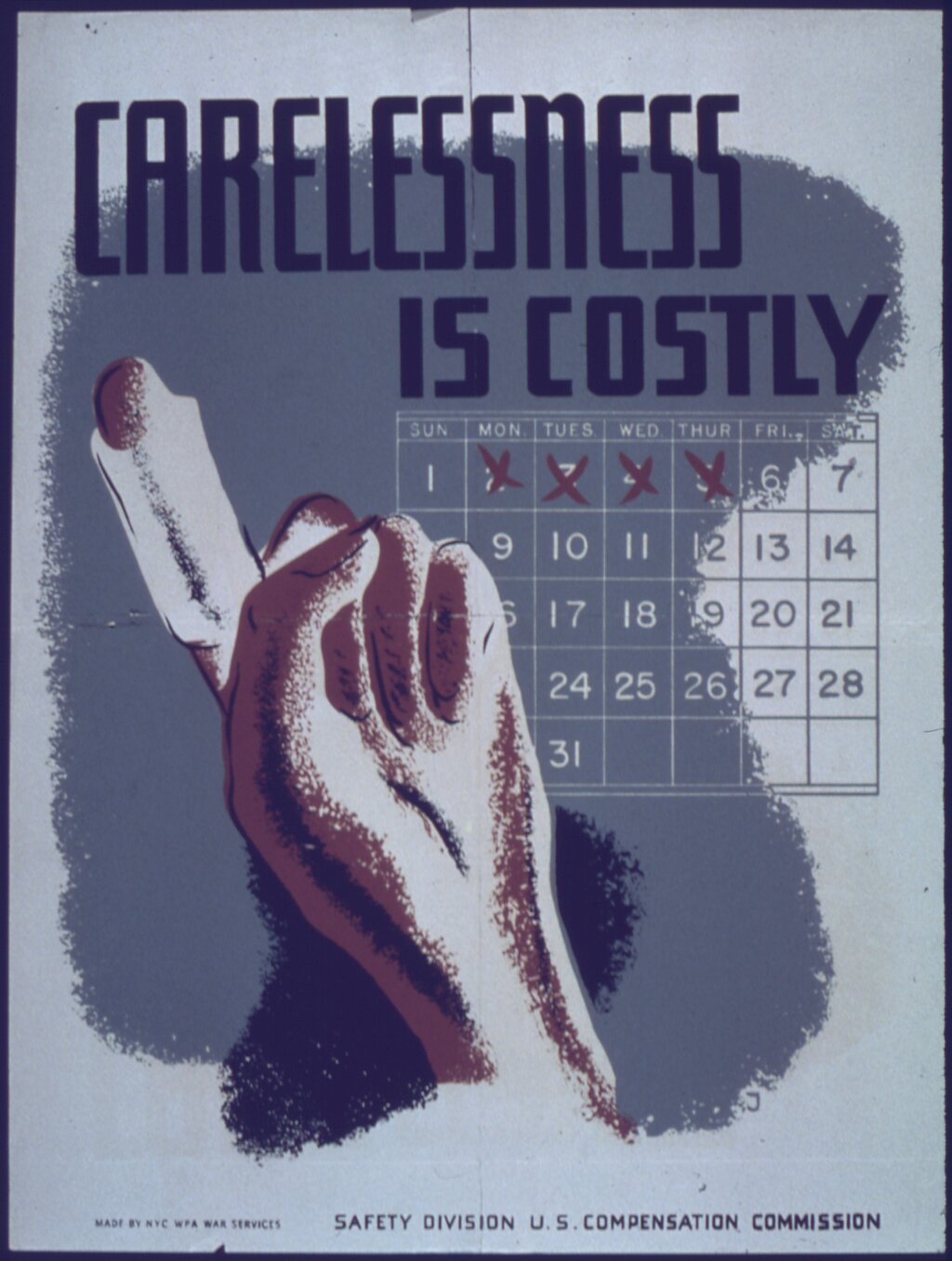
For the company, an injury can lead to lost workdays, decreased productivity, and higher insurance premiums. There can also be costs associated with hiring temporary staff, repairing damaged equipment, and investigating the incident.
For the individual, the costs are even more personal. They face medical bills, potential loss of income, and the physical and emotional pain of recovery. Their family also feels the strain, dealing with stress and uncertainty. Coworkers may feel anxious or guilty, and team morale can suffer. These hidden costs highlight why preventing incidents is so critical.
Building a Culture of Safety
The safest workplaces share one common trait: a strong safety culture. This isn't something you can buy or install. It's the collection of shared attitudes, beliefs, and values that guide how people behave. In short, it’s “the way we do things around here” when it comes to safety.
In a strong safety culture, looking out for one another isn't just a rule—it's second nature.
A key part of this culture is being proactive rather than reactive. A reactive approach waits for an accident to happen and then tries to fix the problem. A proactive approach, on the other hand, focuses on prevention. It involves constantly looking for potential hazards and addressing them before anyone gets hurt. This means regular inspections, ongoing training, and open conversations about safety concerns.
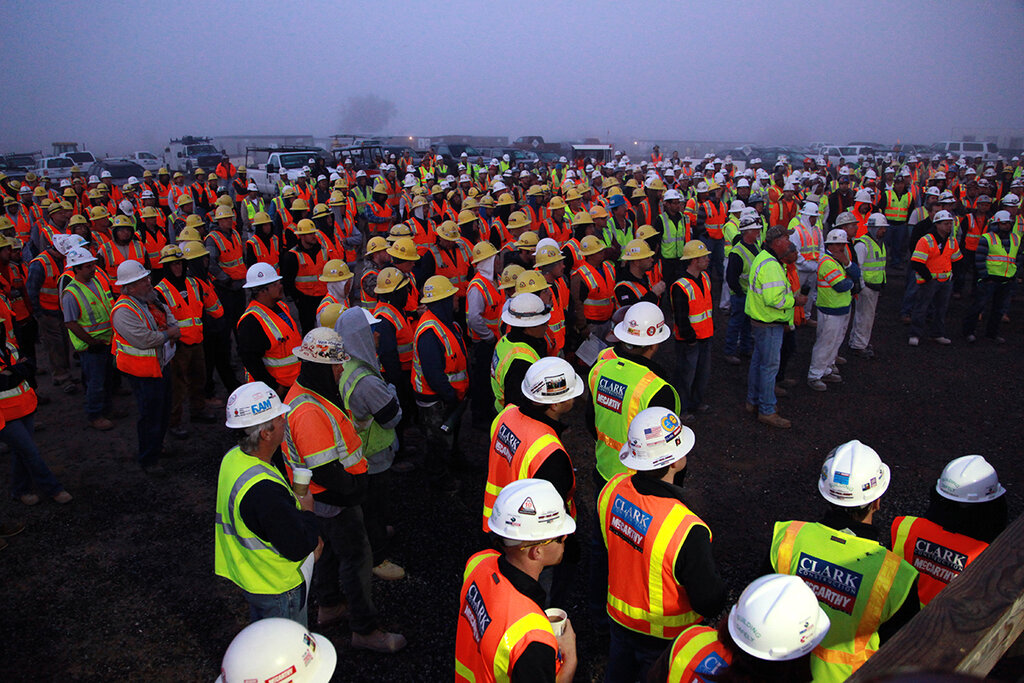
In a workplace with a positive safety culture, employees feel empowered to point out unsafe conditions without fear of blame. Communication flows freely, and everyone understands that they have a vital role to play in keeping the entire team safe.
Spotting Trouble Before It Starts
The first step in any proactive safety plan is hazard identification. You can't fix a problem if you don't know it exists. A hazard is any source of potential damage, harm, or adverse health effects on something or someone.
hazard
noun
A potential source of harm or adverse health effect on a person or persons.
Hazards come in many forms and can be found in any work environment, from an office to a construction site. They can be obvious, like a frayed electrical cord, or less apparent, like a poorly designed workstation that causes repetitive strain over time.
Learning to identify hazards involves looking at your workplace with fresh eyes and asking questions. What could go wrong here? Who might be affected? Thinking through these questions is the beginning of a safer work life for you and everyone around you.
Who holds the ultimate responsibility for maintaining a safe workplace?
Which of the following best describes a proactive approach to safety culture?
By understanding these core principles, you are already on the path to creating a safer work environment.