Workplace Influence and Collaboration Dynamics
Foundations of Workplace Ethics
What Are Workplace Ethics?
Workplace ethics are the moral principles that guide behavior at work. Think of them not as a rigid rulebook, but as a shared understanding of what is right and wrong within an organization. This goes beyond simply following the law; it's about creating an environment of fairness, respect, and integrity.
Ethics
noun
Moral principles that govern a person's behavior or the conducting of an activity.
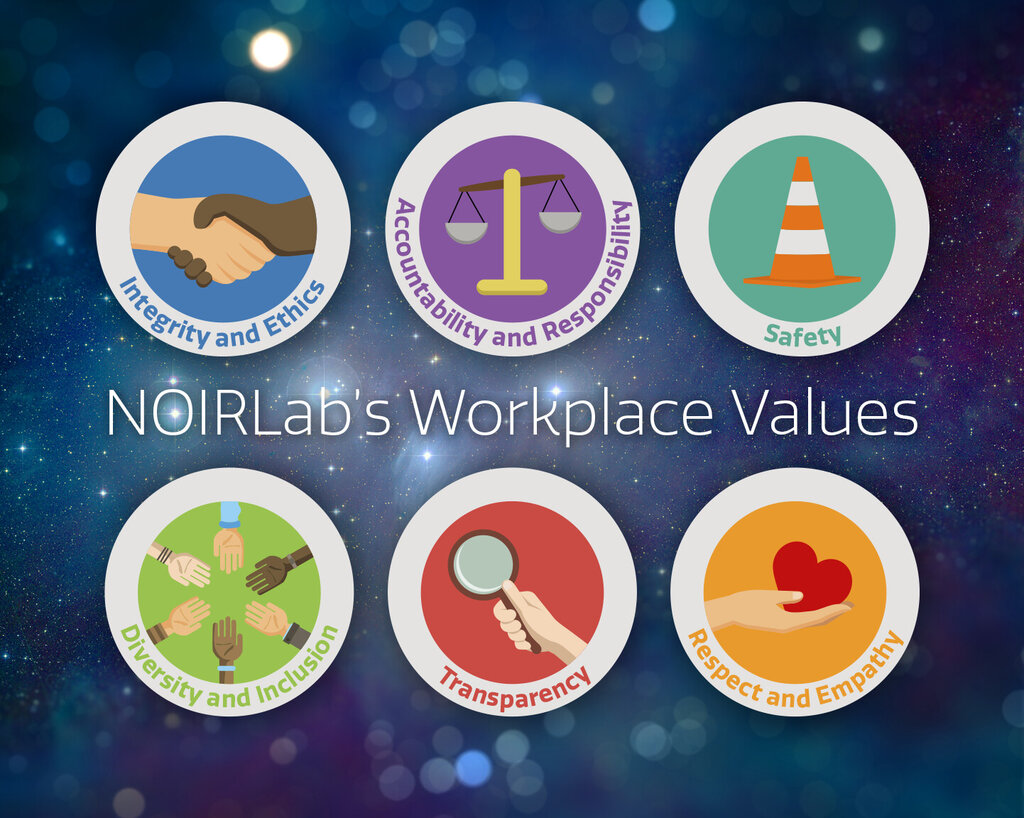
When a workplace has a strong ethical foundation, employees feel safer and more valued. It builds trust not just between colleagues, but also with customers and the public. This foundation is built on core values like honesty, responsibility, and professionalism.
Frameworks for Moral Decisions
How do we decide what's right? Philosophers have debated this for centuries, and they've developed several frameworks to help guide our thinking. Two of the most common approaches are deontology and utilitarianism. They offer different ways to look at an ethical problem.
Deontology focuses on the action itself. It argues that some actions are inherently right or wrong, regardless of the outcome. Think of it as a duty-based approach. For example, a deontologist would argue that lying is always wrong, even if it's a small lie meant to prevent someone's feelings from being hurt.
Utilitarianism, on the other hand, focuses on the consequences. The most ethical choice is the one that produces the greatest good for the greatest number of people. A utilitarian might argue that the small lie is acceptable if it leads to a better overall outcome for everyone involved.
| Ethical Theory | Primary Focus | Guiding Question |
|---|---|---|
| Deontology | The action itself (duties, rules) | Is this action inherently right or wrong? |
| Utilitarianism | The consequences of the action | Will this action lead to the best outcome? |
Neither framework is perfect, and in the real world, we often use a mix of both. Understanding them helps us think more clearly about why we make the choices we do.
Your Personal Compass
While theories provide a map, our personal values act as our compass. These are the core beliefs that are most important to us, shaping our attitudes and actions. What you value—whether it's honesty, compassion, or hard work—directly influences your behavior at work.
Once you better understand your core beliefs, values, and ideals, it’s easier to commit to ethical guidelines in the workplace.
When your personal values align with your organization's ethics, you're more likely to feel engaged and satisfied with your job. When they clash, it can lead to stress and conflict. This is why many people seek out companies whose values reflect their own.
The Ripple Effect of Ethics
Ethical behavior isn't just an individual matter; it has a powerful ripple effect across an entire organization. An ethical workplace fosters a positive culture where employees feel respected and motivated. This leads to higher morale, better collaboration, and lower turnover.
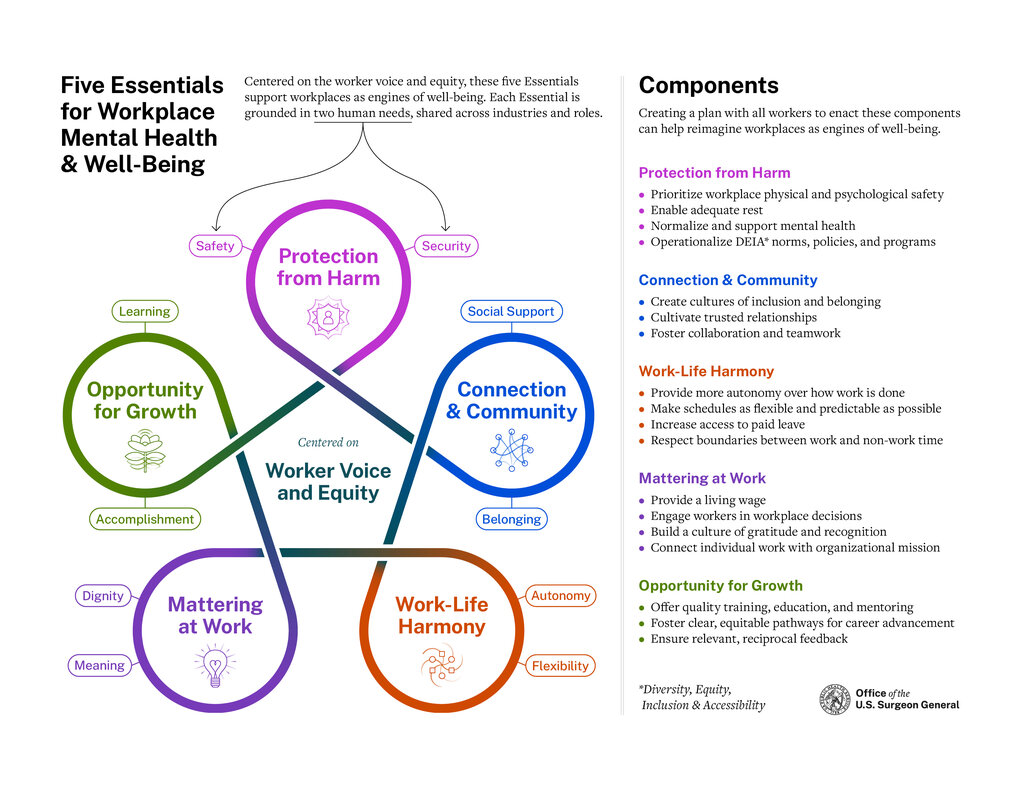
Ultimately, good ethics is good for business. Companies known for their integrity attract top talent and build lasting customer loyalty. They create a sustainable environment where both people and the organization can thrive.
Let's review the key ideas from this section.
Now, check your understanding.
An ethical framework that focuses on the consequences of actions, aiming for the 'greatest good for the greatest number,' is known as:
True or False: Workplace ethics are solely about obeying the law.
By understanding these foundations, you're better equipped to navigate the complexities of the modern workplace and contribute to a positive, productive culture.