Workplace Fire Safety and Security
Introduction to Fire Safety
The Fire Triangle
Every fire needs three ingredients to ignite and keep burning: heat, fuel, and oxygen. Think of them as three legs of a stool. If you remove any one leg, the stool topples. Fire works the same way. This concept is known as the fire triangle.
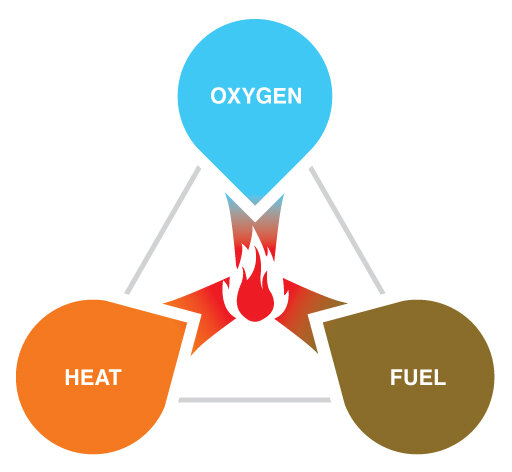
Let's break them down:
- Heat: This is the energy that raises the fuel to its ignition temperature. It can come from a spark, an open flame, a hot surface, or even friction.
- Fuel: This is any combustible material. In a workplace, fuel can be obvious things like paper, wood, and cardboard, or less obvious ones like flammable liquids, gases, and even certain types of dust.
- Oxygen: This is the oxidizing agent. The air around us is about 21% oxygen, which is more than enough to support a fire.
To stop a fire, you just have to break the triangle. You can cool the fire with water to remove the heat. You can smother it with a blanket or foam to cut off the oxygen. Or you can remove the fuel source, like turning off a gas line.
Understanding the fire triangle is the first step in preventing fires. If you can keep heat, fuel, and oxygen separated, a fire simply can't start.
Common Workplace Hazards
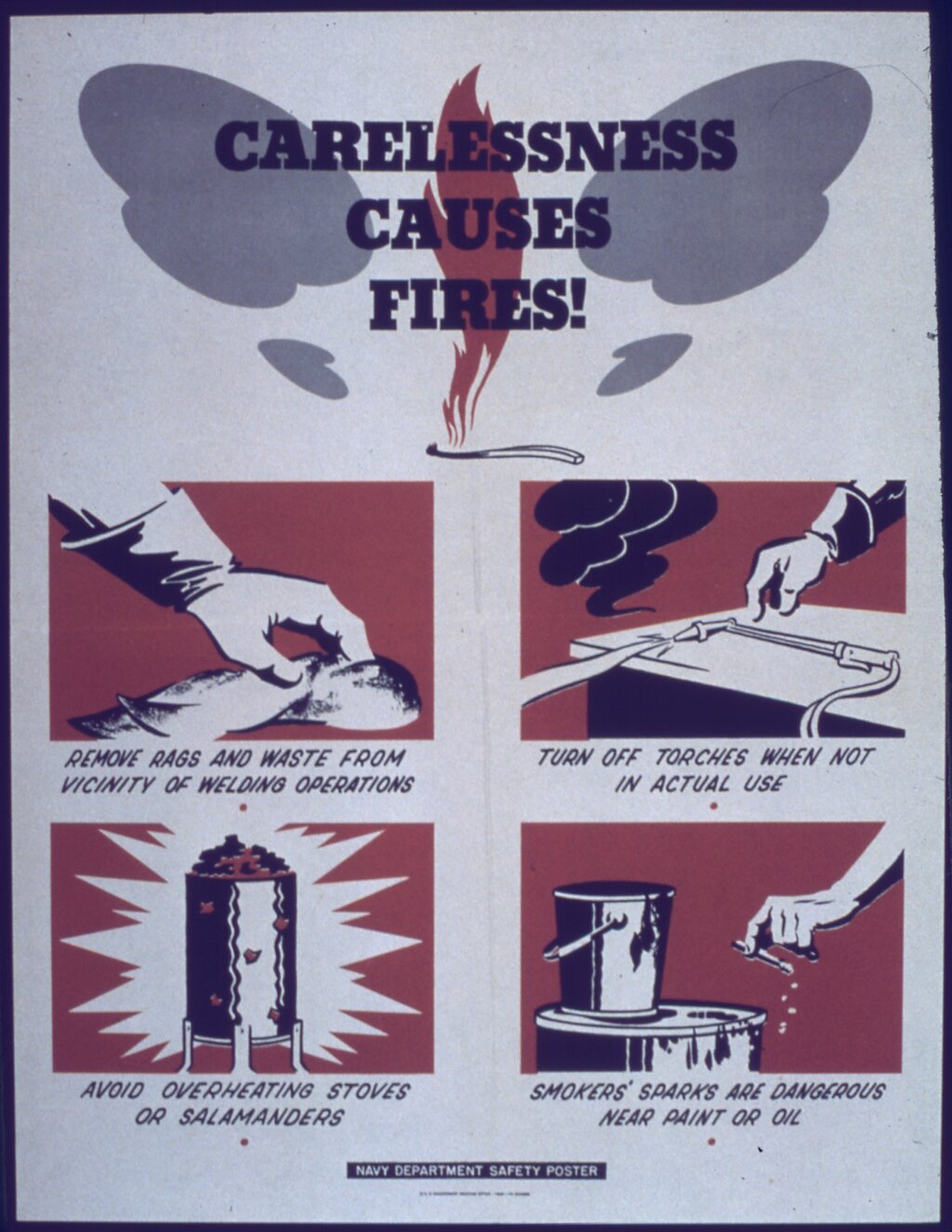
Fires in the workplace rarely happen by chance. They're usually caused by predictable hazards. Faulty electrical equipment is a major culprit. Overloaded circuits, frayed wires, and outdated systems can all generate enough heat to start a fire. Another common cause is the improper storage or handling of flammable liquids and chemicals.
Heating equipment, like space heaters and furnaces, can also be a risk if they aren't properly maintained or are placed too close to combustible materials. And of course, human error plays a big role. Careless smoking, unattended cooking in break rooms, or sparks from welding and grinding can quickly lead to disaster.
A workplace fire can have devastating consequences. Beyond the immediate danger to people's lives, a fire can destroy property, equipment, and critical documents. The financial impact of rebuilding and business interruption can be immense, sometimes leading to permanent closure.
Not All Fires Are the Same
Just as there are different types of fuel, there are different types of fires. Using the wrong method to extinguish a fire can be ineffective or even make the situation much worse. That's why fires are sorted into classifications based on their fuel source.
| Class | Fuel Source | Best Extinguishing Method |
|---|---|---|
| A | Ordinary combustibles (wood, paper, cloth) | Water, Dry Chemical |
| B | Flammable liquids & gases (gasoline, oil, propane) | Dry Chemical, Carbon Dioxide (CO₂) |
| C | Energized electrical equipment (motors, appliances) | Dry Chemical, Carbon Dioxide (CO₂) |
| D | Combustible metals (magnesium, titanium, sodium) | Dry Powder (specialized agent) |
| K | Cooking oils & fats (vegetable oil, animal fats) | Wet Chemical |
Knowing these classes is crucial. For example, throwing water on a grease fire (Class K) can cause the burning oil to splash, spreading the fire rapidly. Similarly, using water on an electrical fire (Class C) creates a serious risk of electric shock.
That's why fire extinguishers are labeled for the specific classes of fire they can handle. Always check the label before you use an extinguisher to make sure you have the right tool for the job.
Time to review what you've learned.
What are the three essential components of the fire triangle?
Covering a small pan fire with a fire blanket primarily removes which element of the fire triangle?