Woodworking Fundamentals
Wood Properties
The Anatomy of Wood
Every piece of wood tells a story of the tree it came from. The most familiar part of this story is the growth rings. Each ring represents a year of life, with a lighter, wider part for fast spring growth and a darker, denser part for slower summer growth. These rings give wood its unique visual character.
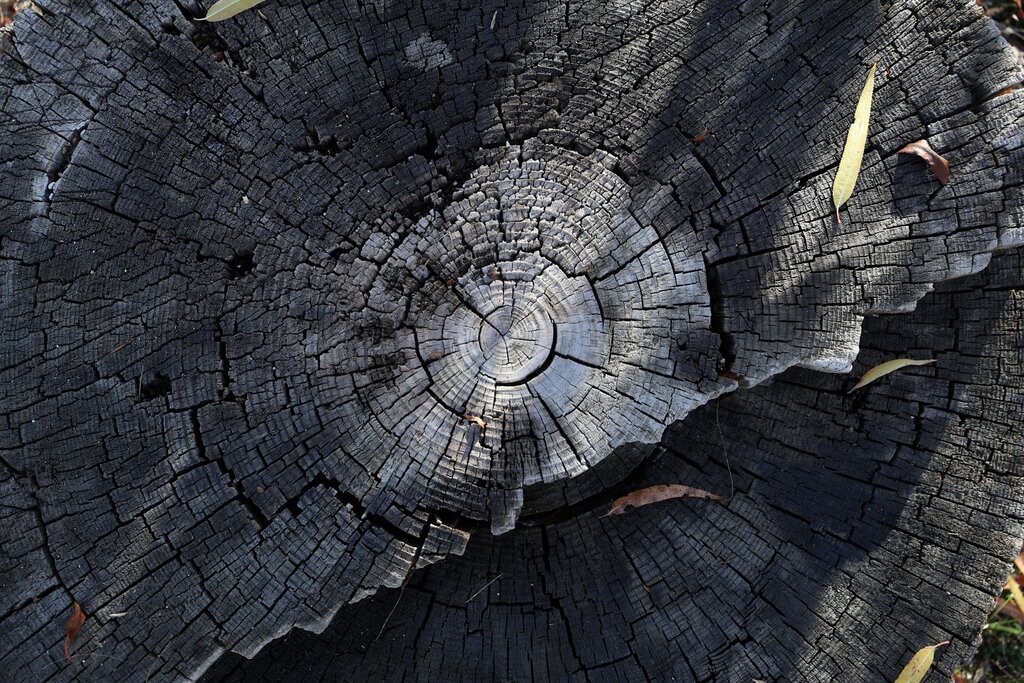
Inside a log, you'll find two main sections. The lighter, outer wood is the sapwood, which carries water and nutrients up the tree. The darker, inner wood is the heartwood. It's denser, less porous, and more resistant to decay because its cells are filled with natural preservative resins.
The way a log is sawn determines the grain pattern on the board. This isn't just about looks; the cut affects the board's stability and strength.
Artisans then assess cut: flat-sawn boards offer dramatic figure; quarter-sawn boards resist cupping and reveal medullary rays in species like oak; rift-sawn boards provide refined, parallel grain ideal for legs and linear forms.
| Cut Type | Grain Pattern | Stability | Common Use |
|---|---|---|---|
| Flat-sawn | Wavy, flame-like | Prone to cupping | Tabletops, flooring |
| Quarter-sawn | Straight, parallel | Very stable | Cabinetry, instruments |
| Rift-sawn | Straight, uniform | Most stable | Furniture legs, rails |
Hardwood vs. Softwood
The terms "hardwood" and "softwood" can be misleading. They don't always refer to the wood's actual density. The real difference is botanical.
hardwood
noun
Wood from a deciduous tree, which loses its leaves annually.
softwood
noun
Wood from a coniferous tree, which is typically evergreen and has needles and cones.
Generally, hardwoods are denser and more durable than softwoods, but there are exceptions. Balsa wood, for example, is a very soft hardwood, while Yew is a very hard softwood. The key is to understand their typical properties for projects.
| Feature | Hardwoods (e.g., Oak, Cherry) | Softwoods (e.g., Pine, Fir) |
|---|---|---|
| Source | Deciduous trees | Coniferous trees |
| Density | Generally higher | Generally lower |
| Cost | More expensive | Less expensive |
| Grain | Tighter, more complex | Lighter, straighter |
| Uses | Fine furniture, flooring, decks | Construction framing, trim, paper |
Why Wood Moves
Wood is hygroscopic, which means it acts like a sponge, absorbing and releasing moisture from the air to match its environment. This is a crucial concept in woodworking. As wood gains moisture, it expands across the grain. As it loses moisture, it shrinks.
Wood is a living material and changes quite a lot depending on climate and how you play it.
This movement is why wooden doors stick in the summer and why gaps can appear in hardwood floors in the winter. It's a natural process that can't be stopped, only managed. Understanding wood movement helps you build projects that can accommodate these changes without cracking or warping.
When buying lumber, its moisture content (MC) is a key factor. Most lumber sold for interior projects is kiln-dried to an MC of 6-8%, which is suitable for the stable climate inside a home. Wood for outdoor projects will have a higher MC to match its environment.
Selecting the Right Wood
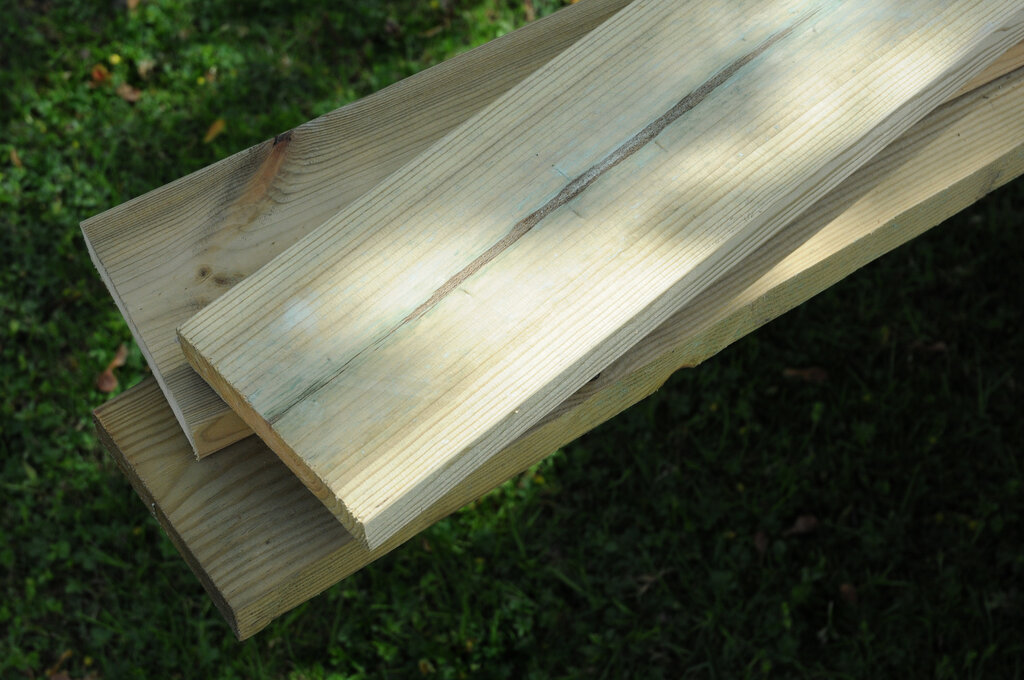
Choosing the right board is as important as choosing the right type of wood. When you're at the lumberyard, take your time and inspect each piece. Look down the length and edges of the board to check for straightness. A good board will be flat and true.

Here’s what to look for:
- Straightness: Avoid boards that are twisted, bowed (curved along the length), or cupped (curved across the width).
- Knots: Small, tight knots are often fine and can add character. Large, loose knots can weaken the board or fall out later.
- Cracks: Look for checks (small cracks on the surface) or splits (cracks that go all the way through). These are defects that can compromise your project.
Think about your project's needs. A painted bookshelf might be perfect for an inexpensive softwood like pine. A dining table that needs to withstand daily use would be better made from a durable hardwood like maple or oak. Matching the wood's properties to its purpose is the first step toward a successful project.
Time to review the key ideas we've covered.
Now, let's test your knowledge.
What is the primary function of sapwood in a living tree?
The botanical distinction between hardwood and softwood is always a reliable indicator of the wood's actual density.
Understanding these basic properties will help you make better decisions and create projects that last a lifetime.