Woodland Adventures for Kids
Introduction to Woodland Exploration
Welcome to the Woods
The forest is a place of adventure. It's filled with towering trees, hidden paths, and the sounds of nature. Exploring the woods is a chance to discover a world different from your own backyard. But like any good explorer, you need to know a few things before you start your journey. Let's get ready to step into the wild.
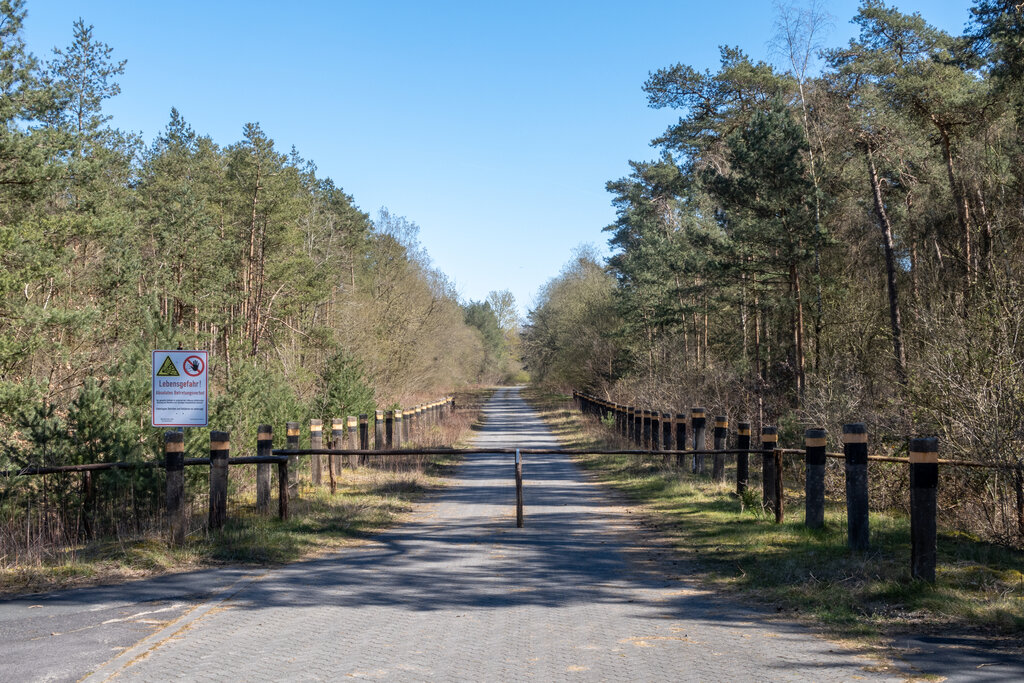
Staying Safe and Found
The number one rule of woodland exploration is to always go with a grown-up. They are your guide and your safety captain. Before you even leave the house, make sure another adult knows where you're going and when you plan to be back.
Once you're in the woods, watch where you step. Trails can have tricky roots and loose rocks. Look ahead on the path to see what's coming. If you see an animal, like a deer or a squirrel, it's exciting! But remember, these are wild animals. The best thing to do is watch them from a distance and never try to feed them.
Always stay on the marked path. Trails are there to protect you from getting lost and to protect the plants and animal homes around you.
Sticking to the trail helps keep the forest healthy. When people wander off the path, they can trample small plants and disturb the soil. Following the trail is an easy way to show respect for nature.
Finding Your Way
Even on a marked trail, it's fun to practice finding your way. This isn't about using a complicated map, but about noticing the world around you. As you walk, look for landmarks. These are unique things that stand out.
A landmark could be:
- A huge, mossy boulder.
- A tree with a funny, twisted branch.
- A wooden bridge that crosses a small stream.
- A clearing where the sunlight pours in.
Point these out to your grown-up. On your way back, see if you can spot them again. This is how explorers start to build a map in their minds.
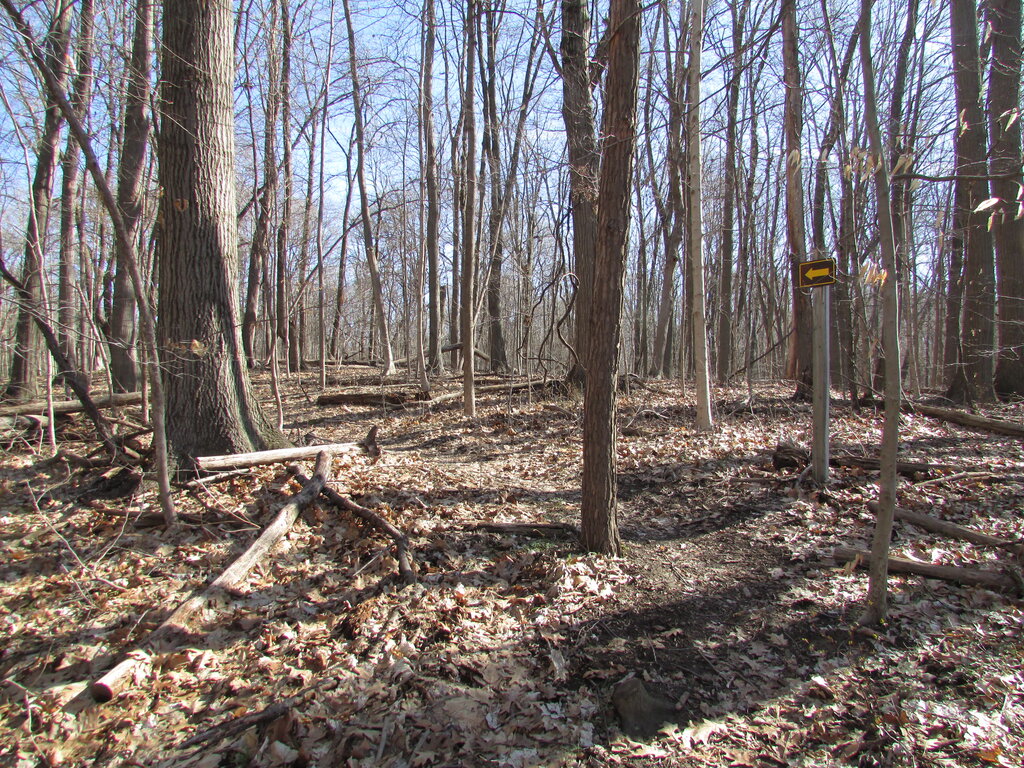
Many trails also have markers, which are small signs or painted symbols on trees. They're like breadcrumbs left to guide you. If you see them, you know you're going the right way.
Use Your Explorer Senses
A great explorer uses more than just their eyes. When you're in the woods, try to use all of your senses. Stop for a moment, stand still, and be quiet.
| Sense | What to Notice |
|---|---|
| See | The different shades of green, a busy ant, a feather on the ground. |
| Hear | A bird calling, the wind rustling leaves, a woodpecker tapping. |
| Smell | Damp earth after a rain, sweet pine needles, blooming flowers. |
| Feel | The rough bark of an oak tree, a smooth stone, the cool breeze. |
Paying attention like this does more than just make the walk interesting. It helps you connect with the world around you and makes you a better, more aware explorer. Every trip into the woods is a chance to notice something new.
What is the most important rule for exploring the woods?
If you see a wild animal like a deer in the forest, what should you do?
You're now ready to start your own woodland adventure. Remember to stay safe, be observant, and respect the beautiful natural world around you.