Wood Tone Identification
Understanding Wood Undertones
The Color Beneath the Color
Every piece of wood has a primary color you notice right away, like brown, tan, or cream. But beneath that surface color, there's a subtle, underlying hue called an undertone. This hidden tint is what gives the wood its overall temperature and character, making it feel either warm or cool.
Think of it like mixing paint. You might start with a brown, but adding a tiny bit of yellow will warm it up, while a hint of gray will cool it down. These subtle additions are the undertones. Learning to spot them is the key to understanding why some woods feel cozy and others feel crisp and modern.
Warm Woods
Warm undertones are the reds, oranges, and yellows hiding within the wood's grain. These colors are often associated with sunlight and fire, giving the wood an inviting and energetic feel. A wood with a red undertone might feel rich and classic, while one with a yellow or orange tint can seem more cheerful and rustic.
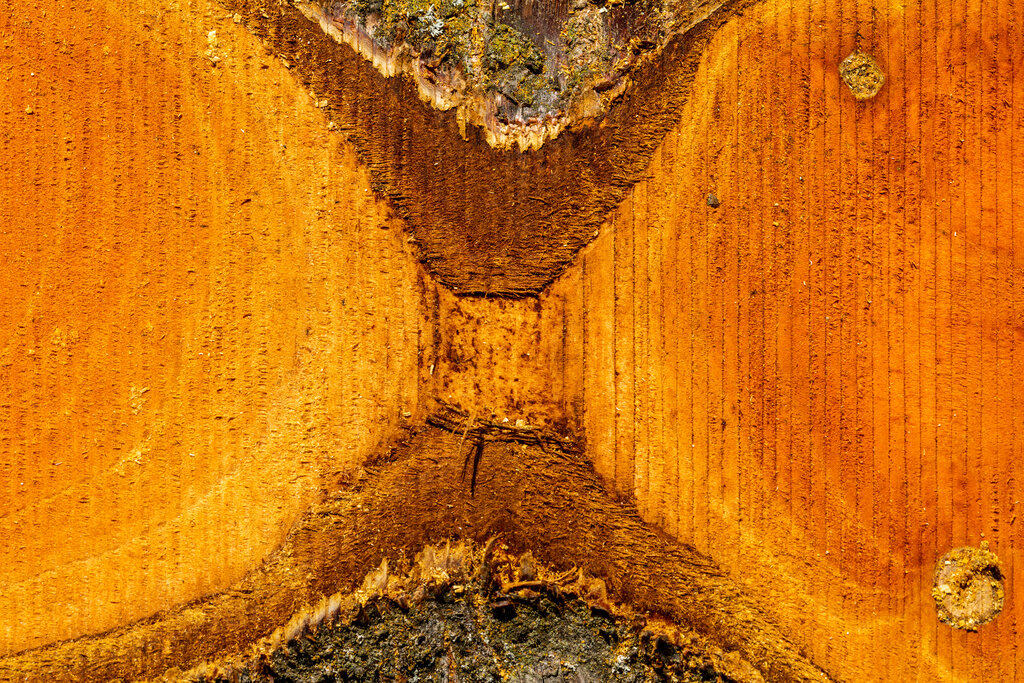
Warm-toned woods often make a space feel cozier and more traditional.
Cool Woods
On the other side of the spectrum are cool undertones. These are the subtle hints of gray, blue, or even a touch of purple within the wood. Cool tones are associated with water and sky, and they tend to give wood a more serene, contemporary, and calming presence.
A floor with a gray undertone can make a room feel spacious and modern, while wood with a subtle blueish cast might feel clean and crisp.
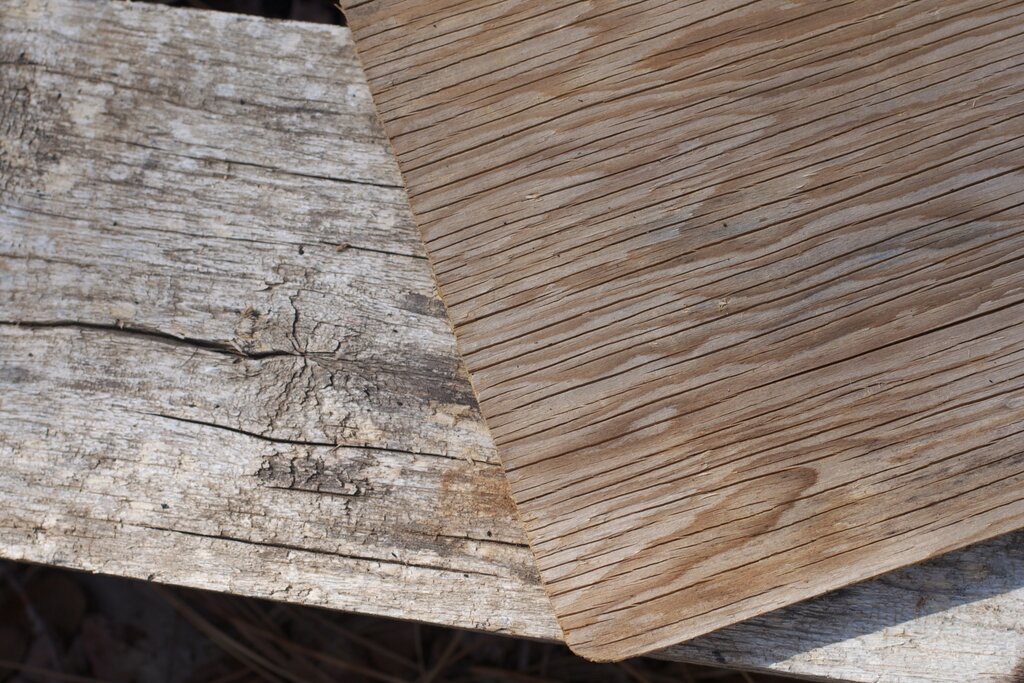
Cool-toned woods can create a calm, modern, and sophisticated atmosphere.
How to Spot Undertones
Identifying undertones can be tricky at first, since they are often very subtle. One of the best ways to train your eye is to use comparison.
Place your wood sample next to something with a pure, neutral color, like a plain white sheet of paper. Against the stark white, the wood's underlying hues will become much more obvious. The yellow, red, or gray will suddenly pop out in a way you couldn't see when the wood was on its own.
Another trick is to look at the lightest and darkest parts of the grain. Sometimes the undertone is most visible in the highlights or the deep shadows of the wood pattern. With a little practice, you'll start to see these hidden colors everywhere.
Now, let's test what you've learned about identifying the temperature of wood.
What is the "undertone" of a piece of wood?
Which of the following colors is characteristic of a warm undertone?
Being able to see these undertones is the first step in mastering how to choose and combine different woods effectively.