Wood Carving Simple Animals
Introduction to Wood Carving
Choosing Your Canvas
Before you can make a single cut, you need to choose your wood. Think of it as an artist selecting a canvas. For beginners, the overwhelming favorite is basswood. It's soft enough to cut with minimal effort, which means you can focus on your technique, not on fighting the material.
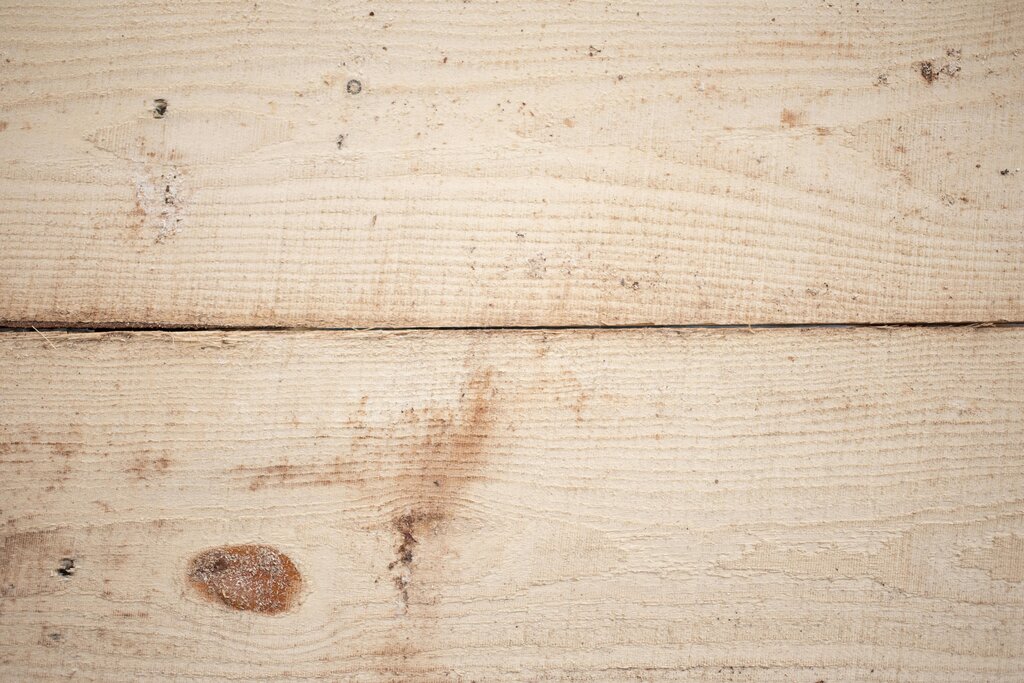
What makes basswood so great is its fine, even grain. But what exactly is the grain?
grain
noun
The direction, size, and arrangement of the wood fibers in a piece of wood.
A fine grain means the wood fibers are packed closely together, resulting in a smooth surface that holds detail well. You'll find your knife glides through it without much splintering or tearing. While harder woods like oak or maple have beautiful patterns, they're much more challenging and are best saved for when you have more experience.
The Carver's Toolkit
You don't need a workshop full of tools to start carving. A few key instruments will cover most basic projects. Your goal is to get comfortable with the fundamentals, and a simple kit is all you need.
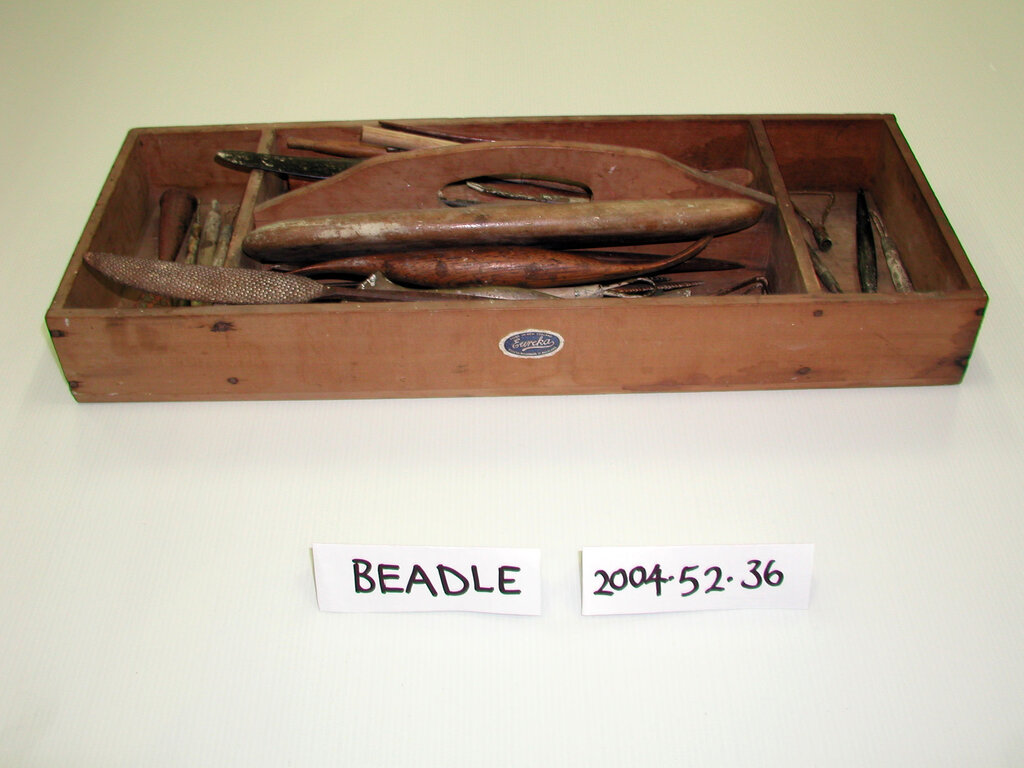
Let's look at the three most essential tools you'll encounter.
| Tool | Primary Use | Description |
|---|---|---|
| Carving Knife | Slicing and shaping | Your main tool. It's used for outlining your design and making precise, peeling cuts. It has a short, fixed blade for control. |
| Gouge | Scooping and hollowing | A tool with a curved cutting edge. Gouges come in various sweeps (curves) and sizes to scoop out wood, creating curves and hollows. |
| Chisel | Flat cuts and cleanup | A flat-bladed tool. Chisels are used to remove larger chunks of wood and create flat surfaces. They help define sharp edges and clean up backgrounds. |
Start with a good quality carving knife. It will be your most-used tool. As you progress, you can add different sizes of gouges and chisels to your collection to handle more complex shapes.
Carve Safely
Wood carving is a safe hobby, but you're working with sharp tools, so a few rules are non-negotiable. Your safety habits are just as important as your carving technique.
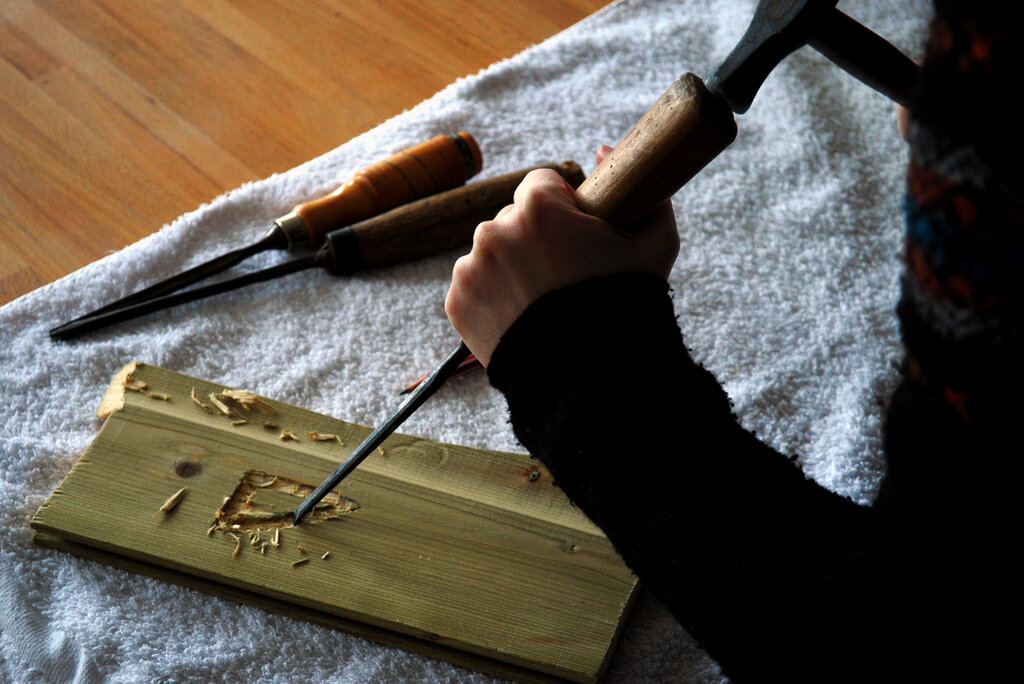
First, always keep your tools sharp. A dull blade is dangerous because it requires more force to make a cut, increasing the chance it will slip. Second, and most importantly, always carve away from your body. Never pull the knife toward you or cut in a way that your supporting hand is in the path of the blade.
The carver's golden rule: Keep both of your hands behind the cutting edge at all times.
Protective gear is simple but effective. At a minimum, wear a carving glove on the hand that holds the wood. This thick, cut-resistant glove can prevent a nasty injury if your tool slips. Safety glasses are also a good idea to protect your eyes from flying wood chips.
Finally, set up a good workspace. You need a clean, well-lit area where you won't be distracted. Make sure your piece of wood is secure. For small pieces, you can often just hold them, but for larger projects, using a clamp or vise to hold the wood to a stable surface is much safer. It frees up both of your hands to control the tool.
Ready to check your understanding of these foundational concepts?
What type of wood is most recommended for beginners in carving due to its soft texture and fine grain?
In the context of wood carving, a 'fine grain' means the wood fibers are packed closely together, creating a smooth surface that holds detail well.
With the right wood, a few basic tools, and a commitment to safety, you have everything you need to begin your journey into wood carving.