Wolverine Peptides Unveiled
Introduction to Peptides
The Building Blocks of Life
Peptides are short chains of amino acids, the very same molecules that build proteins. You can think of them as mini-proteins. While proteins are large, complex structures made of 50 or more amino acids, peptides are much shorter and simpler.
A chain with two amino acids is a dipeptide, one with three is a tripeptide, and so on. Chains up to around 50 amino acids are generally called peptides, while longer ones are called polypeptides or proteins.
amino acid
noun
A simple organic compound containing both a carboxyl (—COOH) and an amino (—NH₂) group, which acts as the fundamental building block of peptides and proteins.
Every amino acid has a central carbon atom connected to four different groups: an amino group, a carboxyl group, a hydrogen atom, and a unique side chain known as the R-group. It's this R-group that gives each of the 20 common amino acids its distinct properties.
Forming the Peptide Bond
So how do these individual amino acids link together? They connect through a special covalent bond called a peptide bond. This bond forms when the carboxyl group of one amino acid reacts with the amino group of another.
This reaction, known as a condensation or dehydration reaction, releases a single molecule of water. The process repeats, linking more amino acids one by one to create a growing chain. The resulting chain always has a free amino group at one end (the N-terminus) and a free carboxyl group at the other (the C-terminus).
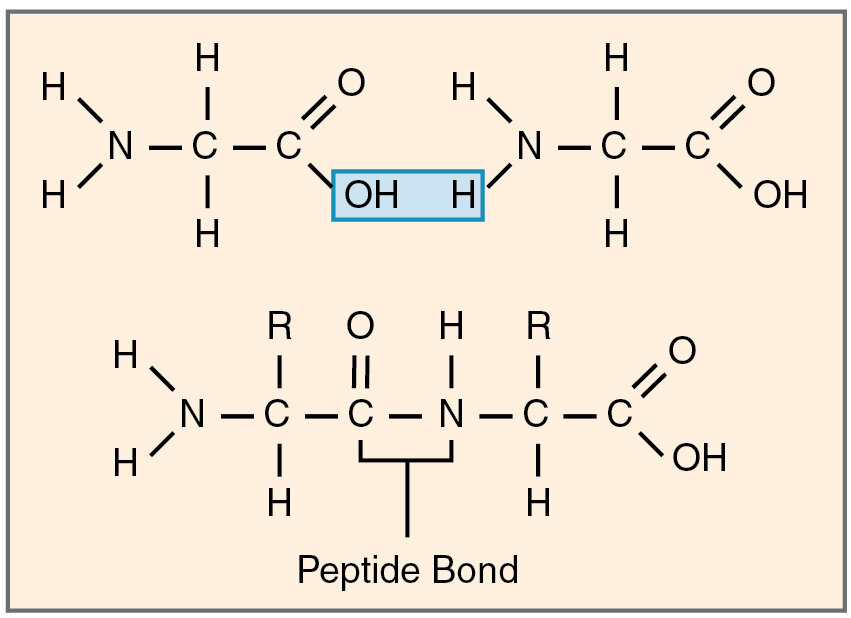
The specific sequence of amino acids in a peptide is crucial. Just like letters in a word, changing the order of amino acids can completely change the peptide's structure and function. This sequence is known as the primary structure.
Peptides in Action
Despite their simple structure, peptides are powerful players in our bodies. They act as signaling molecules, carrying messages between cells and tissues to regulate a huge range of biological processes.
| Peptide Role | Example | Function |
|---|---|---|
| Hormones | Insulin, Oxytocin | Regulate blood sugar, control social bonding and childbirth. |
| Neurotransmitters | Endorphins | Act as natural painkillers and mood elevators in the brain. |
| Growth Factors | Epidermal Growth Factor | Stimulate cell growth, proliferation, and differentiation. |
| Antimicrobials | Defensins | Part of the immune system, they can destroy bacteria and viruses. |
How do they accomplish all this? Most peptides work by binding to specific receptors on the surface of cells. A receptor is like a lock, and a peptide is the key that fits it. When a peptide binds to its receptor, it triggers a cascade of events inside the cell. This signal can tell the cell to turn a gene on or off, produce a certain protein, or change its activity. Because of this high specificity, peptides can exert powerful effects even at very low concentrations.
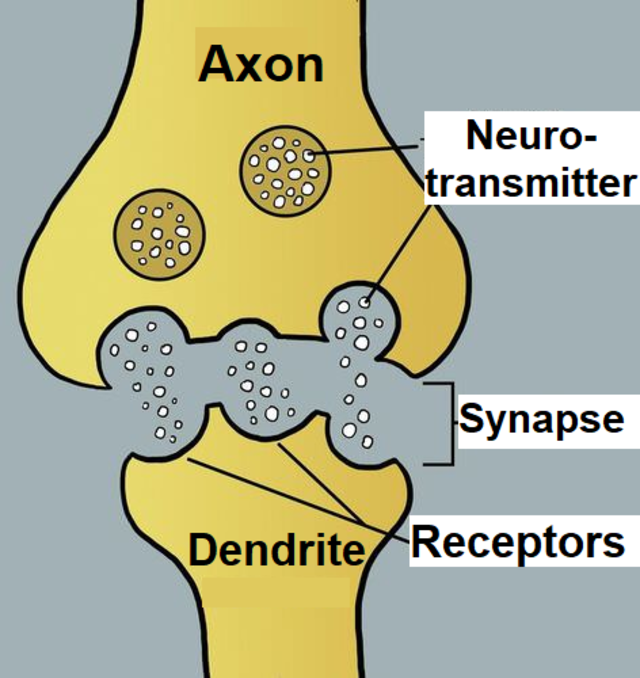
This lock-and-key mechanism makes peptide signaling both precise and efficient. It's a fundamental way that different parts of the body communicate to maintain balance and respond to changes in the environment.
What is the primary distinction between a peptide and a protein?
The formation of a peptide bond between two amino acids is a condensation reaction. What molecule is released during this process?
Understanding these basics of peptide structure and function is the first step toward appreciating their vital role in health and biology.