Wizards and Witches Unveiled
Origins of Witchcraft
Ancient Magic Wielders
Long before the pointy hats and bubbling cauldrons of popular culture, figures who practiced what we might call 'magic' held vital roles in their communities. In many ancient societies, these individuals weren't outcasts. They were healers, advisors, and spiritual guides who helped people make sense of a world filled with uncertainty.
These early practitioners were often deeply connected to the natural world. They understood herbal remedies, tracked the seasons, and interpreted omens in the flight of birds or the patterns of stars. Their 'magic' was a practical skill, a way of interacting with the forces of nature and the spirit world to ensure a good harvest, heal the sick, or find lost items. They were the bridge between the everyday world and the unseen.
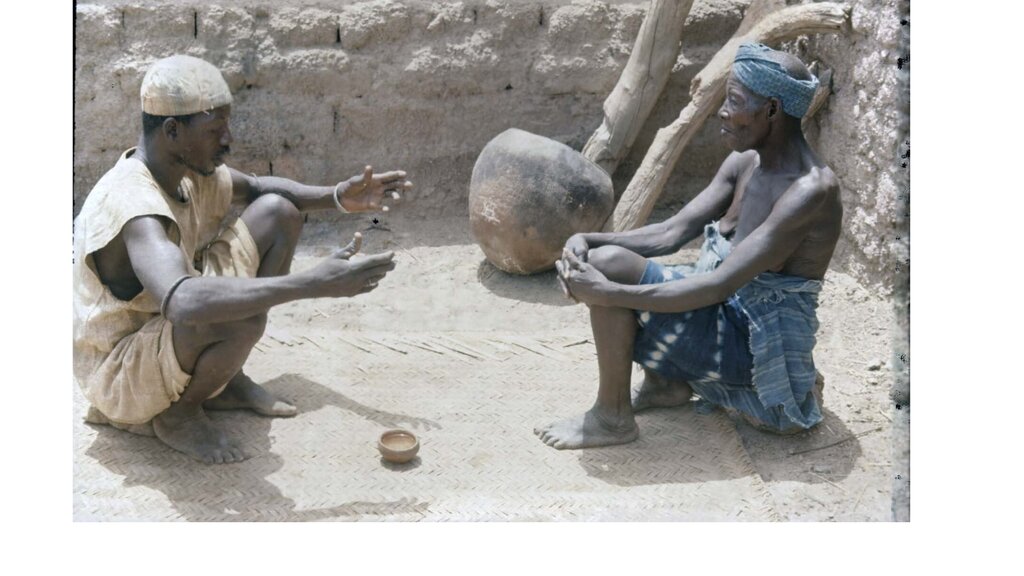
In ancient Rome, priests known as augurs practiced divination by observing the behavior of birds. In ancient Greece, oracles like the one at Delphi were consulted by kings and commoners alike for prophecies. Across tribal cultures, shamans acted as intermediaries with the spirit world, performing rituals for healing and guidance. These roles were not seen as sinister but as essential services for the community's well-being.
Divination
noun
The practice of seeking knowledge of the future or the unknown by supernatural means.
A Shift in Perception
The perception of magic and its practitioners began to change dramatically with the rise of major organized religions, particularly Christianity in Europe. As Christianity spread, it sought to unify belief under a single God and a centralized church authority. This created a conflict with older, decentralized folk traditions and nature-based beliefs.
Practices that were once considered normal, like using herbal charms for healing or fortune-telling, were gradually re-framed. Church leaders began to teach that any power that did not come from God must come from an opposing, evil force: the Devil. Local healers and wise women, once respected for their knowledge, became objects of suspicion.
The power wasn't questioned, but its source was. What was once seen as a connection to nature or spirits was now interpreted as a pact with demonic forces.
This ideological shift laid the groundwork for future persecution. The concept of the witch transformed from a skilled community member into a malevolent figure who actively worked to harm others. Laws were passed against witchcraft, and the association between magic and evil became deeply ingrained in the culture.
Historically, witches were viewed as agents of demonic forces, leading to widespread hunts in Europe.
This change didn't happen overnight. It was a slow process of cultural absorption and redefinition that took centuries. The revered shaman, the wise oracle, and the village healer were slowly replaced by the archetype of the evil witch, a figure born not of ancient practice, but of religious and social anxiety.
Ready to test your knowledge?
According to the text, what was the primary role of individuals who practiced 'magic' in many ancient societies?
The perception of magic began to change negatively with the rise of major organized religions.
This transition from respected practitioner to feared outcast marks a critical turning point in the history of witchcraft, setting the stage for the conflicts that would follow.