WisdomTree Precious Metals Hedged Fund Risks
Understanding Precious Metals
What Are Precious Metals?
Precious metals are rare, naturally occurring metallic elements with high economic value. Their rarity and unique physical properties make them desirable in both industry and investment. The big four are gold, silver, platinum, and palladium.
Unlike industrial metals like copper or aluminum, which are primarily valued for their practical uses, precious metals have a dual role. They are crucial industrial components and have a long history of being used as a store of value and a medium of exchange.
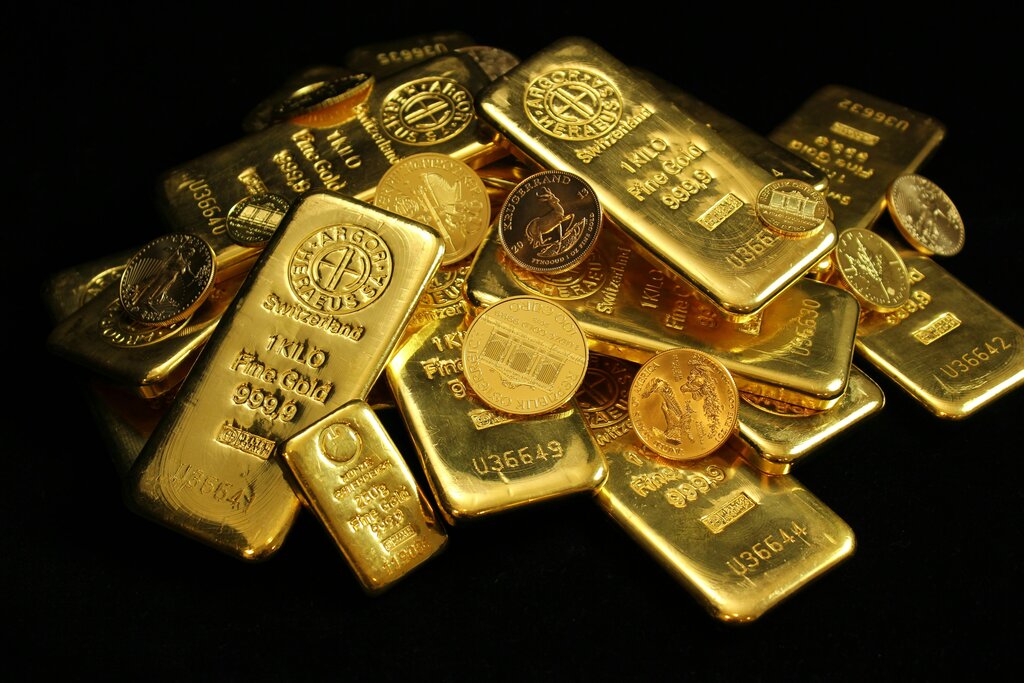
Their value comes from this scarcity. If you gathered all the gold ever mined, it would fit into a single cube about 22 meters on each side. All the platinum ever mined would barely cover your ankles in an Olympic-sized swimming pool. This limited supply helps them retain value over long periods.
A Storied Past, A Utilitarian Present
For thousands of years, gold and silver were the backbone of global economies. Civilizations from ancient Egypt to the Roman Empire used them to mint coins and facilitate trade. Their luster, resistance to tarnish, and malleability also made them perfect for jewelry, religious artifacts, and royal treasures.
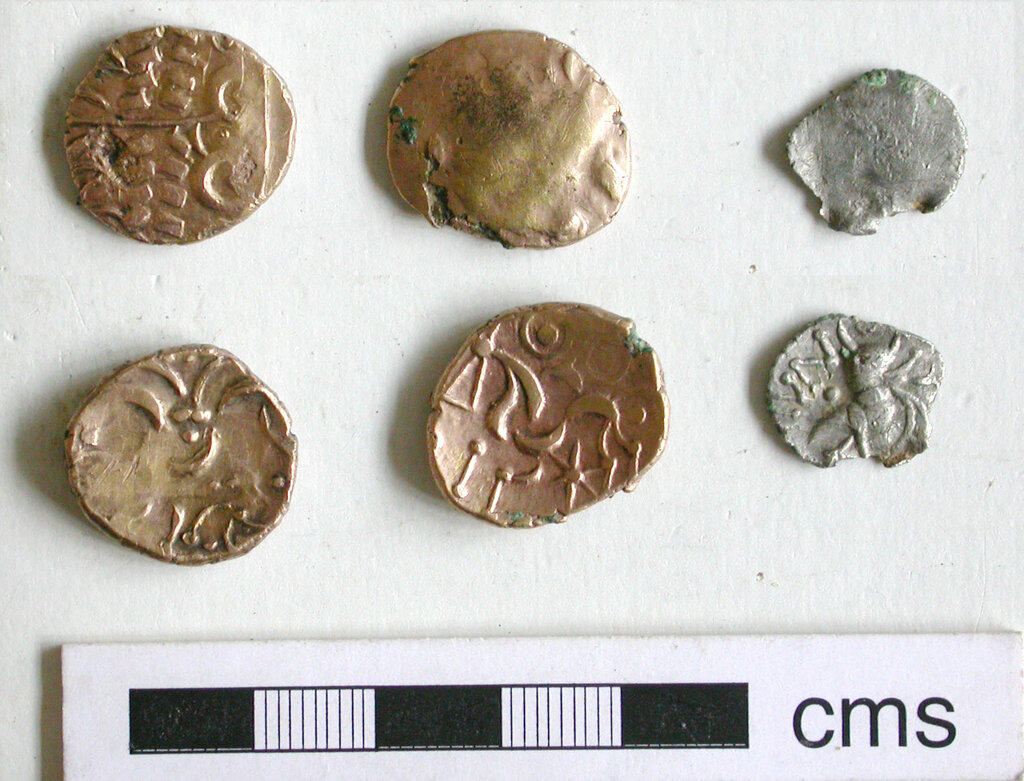
But these metals are more than just pretty objects or old money. They are critical to modern technology.
- Gold is an excellent electrical conductor that doesn't corrode, making it essential for circuits in smartphones, computers, and GPS devices.
- Silver has the highest electrical and thermal conductivity of any metal. It's used in solar panels, batteries, and medical equipment for its antimicrobial properties.
- Platinum and palladium are vital components in catalytic converters, the devices in your car's exhaust system that convert toxic pollutants into less harmful emissions. About 80% of palladium and 40% of platinum demand comes from the auto industry.
What Drives the Price?
The price of precious metals is a complex dance of several factors. Because they are both investment assets and industrial commodities, their value is pulled in different directions.
Here’s a breakdown:
Supply and Demand: This is the most basic driver. Mining production, recycling levels, and sales from central bank reserves affect supply. Demand comes from jewelry fabrication, industrial applications, and investment.
Economic Indicators: During times of high inflation, investors often buy gold as a hedge, hoping it will hold its value better than paper currency. Rising interest rates can make non-yielding assets like gold less attractive compared to bonds. The value of the U.S. dollar also plays a big role, as metals are typically priced in dollars worldwide. A weaker dollar often makes gold cheaper for foreign buyers, pushing its price up.
Geopolitical Uncertainty: When political or economic instability strikes, investors flock to precious metals as a “safe haven” asset. Wars, trade disputes, and recessions can all boost demand for gold and silver.
How to Invest
There are several ways to gain exposure to precious metals, each with its own set of trade-offs.
Physical ownership gives you direct possession, while financial products offer liquidity and convenience.
Physical Ownership: This is the most straightforward method. You can buy gold, silver, or platinum bars and coins. The advantage is that you hold a tangible asset. The downsides include storage costs, the need for insurance, and potentially lower liquidity compared to financial assets.
Futures Contracts: A futures contract is an agreement to buy or sell a specific amount of a metal at a predetermined price on a future date. These are used by both speculators and industrial users looking to lock in prices.
In essence, futures allow participants to lock in prices today for transactions that will occur tomorrow, which is especially useful in volatile markets like precious metals.
Exchange-Traded Products (ETPs): These are funds that trade on a stock exchange, much like a regular stock. An ETP can track the price of a single metal (like gold) or a basket of them. They offer a simple way to invest without the hassle of storing physical metal. Some ETPs are backed by physical metal stored in a vault, while others use futures contracts to track the price.
| Investment Method | Pros | Cons |
|---|---|---|
| Physical Bullion | Tangible asset, direct ownership | Storage and insurance costs, less liquid |
| Futures Contracts | High leverage, price hedging | High risk, requires expertise |
| Exchange-Traded Products | High liquidity, easy to trade, low cost | No physical ownership, management fees |
Precious metals occupy a unique space in the financial world. They are relics of ancient commerce, critical components of future technology, and a refuge for investors in uncertain times. Understanding the forces that shape their value is key to appreciating their role in a diversified portfolio.
Ready to test your knowledge?
What is the primary characteristic that distinguishes precious metals like gold and silver from industrial metals like copper?
Which precious metal is vital for catalytic converters in cars, which reduce harmful emissions?