Wisconsin Condominium Association Law
Condominium Basics
What is a Condominium?
A condominium isn't a type of building, but a form of ownership. When you buy a condo, you own two things: your individual unit and a shared interest in the common elements of the property.
Think of it like a large bookshelf. You own your specific books and the space they occupy on a shelf. That's your private unit. But you share the bookshelf structure itself—the wood, the frame, the supports—with everyone else who has books on it. Those shared parts are the common elements.
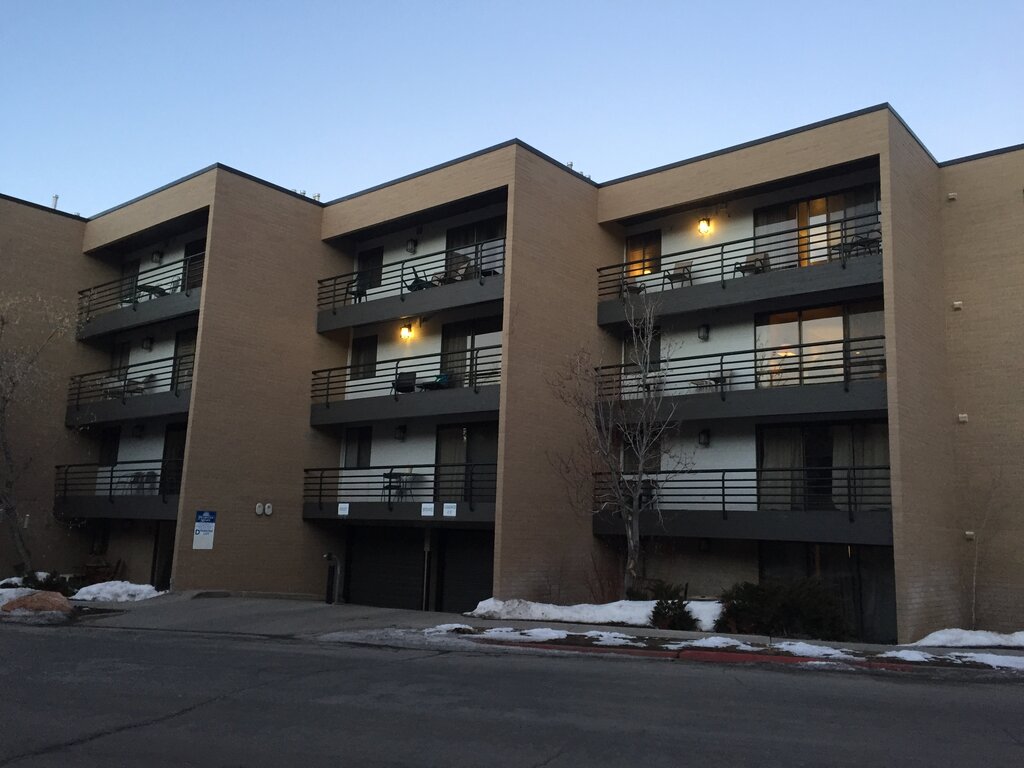
Your unit is the space you live in, defined by the walls, floors, and ceiling. The common elements are everything else: hallways, elevators, the roof, swimming pools, landscaping, and the land the building sits on. You own these areas jointly with all other unit owners.
How Condos Compare
Understanding condominium ownership is easier when you compare it to other ways people live in and own property.
| Ownership Type | What You Own | What You Control |
|---|---|---|
| Condominium | Your unit + shared interest in common areas | Your unit, plus a vote in association matters |
| Single-Family Home | The house and the land it's on | Everything, subject to local laws |
| Apartment (Renting) | Nothing; you lease the right to live there | Very little; you follow landlord's rules |
| Cooperative (Co-op) | Shares in a corporation that owns the building | Your unit (via a lease), plus a vote in the corporation |
The key difference with a co-op is that you don't own real estate directly. You own personal property (the shares) which gives you a lease to live in a unit. With a condo, you own your unit outright as real property.
The Condominium Association
When you buy a condo, you automatically become a member of the condominium association. This is the governing body that manages the property on behalf of all the owners. It's essentially a small, private government for the condominium community.
The association is responsible for maintaining the common elements, setting a budget, and enforcing the rules. To fund its operations—covering things like insurance, landscaping, snow removal, and repairs to the roof—the association collects regular fees, often called assessments, from every unit owner.
Day-to-day decisions are typically handled by a board of directors, who are unit owners elected by the members of the association.
Wisconsin's Condo Law
In Wisconsin, condominiums are governed by a specific set of laws known as the Condominium Ownership Act, found in Chapter 703 of the state statutes. This act provides the legal framework for how condominiums are created, managed, and sold.
Chapter 703 requires several key legal documents to be recorded when a condominium is created. These include:
- The Declaration: This is the master document that officially creates the condominium. It defines the units, the common elements, and the percentage of ownership each unit has in the common elements.
- The Bylaws: These are the rules for how the association operates. They cover things like how board members are elected, how meetings are run, and the powers and duties of the officers.
- The Plat: This is a detailed map or survey of the property, showing the location and dimensions of the land, buildings, and individual units.
Together, these documents and the state law form the legal backbone of any condominium in Wisconsin, outlining the rights and responsibilities of both the individual owners and the association that governs them.