Wisconsin Condo Board Secretary Duties
Introduction to Wisconsin Condominium Law
Wisconsin's Condo Law
In Wisconsin, condominiums are governed by a specific set of laws known as the Condominium Ownership Act, found in Chapter 703 of the state statutes. This act provides the legal blueprint for creating, managing, and living in a condominium community. Its main purpose is to establish clear rules for a unique form of property ownership where you own your individual unit but share ownership and responsibility for the common areas with others.
Condominium
noun
A form of property ownership in which a person owns an individual unit in a multi-unit complex, as well as a shared interest in the common areas of the property.
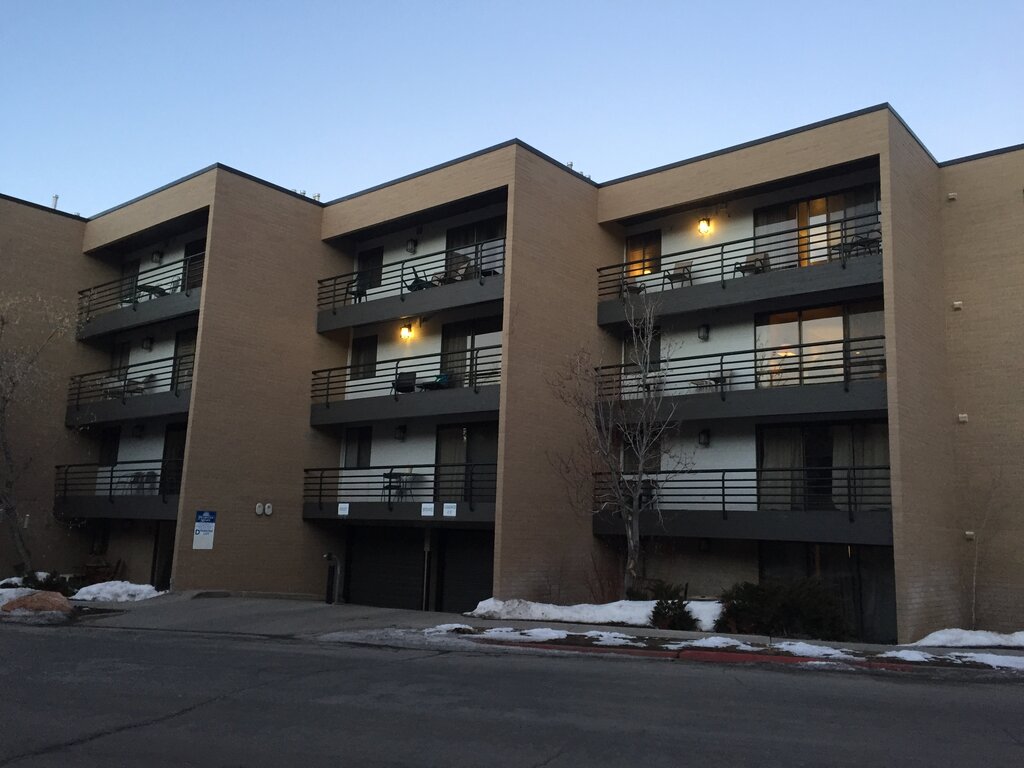
Think of it this way: you have exclusive ownership of the space inside your unit's walls. This is your private property. But the land the building sits on, the hallways, elevators, swimming pool, and the building's exterior are all considered "common elements." Every unit owner shares ownership of these common elements and contributes to their upkeep through fees.
The Unit Owners' Association
When a developer creates a condominium, they also must create a legal entity called the unit owners' association. This association is the governing body for the condominium community. If you buy a condo, you automatically become a member of the association and agree to abide by its rules. You don't have a choice to opt out.
The association is responsible for managing and maintaining the common elements, handling finances, and enforcing the rules that all residents must follow.
Three core documents bring a condominium to life and dictate how it operates:
-
The Declaration: This is the master document. It officially creates the condominium and is recorded with the county's register of deeds. It defines what constitutes a unit versus a common element and assigns a percentage of interest to each unit. This percentage determines a unit owner's share of common expenses and their voting power.
-
The Bylaws: These are the operational rules for the association. The bylaws detail how the association is run, including procedures for electing the board of directors, holding meetings, and adopting budgets.
-
The Plat: This is a detailed survey map and set of floor plans. It shows the precise location, dimensions, and boundaries of every unit and all the common elements. It's the visual guide to the property described in the declaration.
How Condos Are Governed
While all unit owners are members of the association, the day-to-day management is handled by an elected board of directors. The board is made up of fellow unit owners who volunteer or are elected to serve. The Condominium Ownership Act grants this board specific powers, such as the authority to collect monthly fees or special assessments, hire maintenance staff, and enforce the rules laid out in the bylaws.
This structure is fundamentally democratic. Major decisions, like significant changes to the property or amendments to the governing documents, often require a vote of all unit owners. The board of directors acts on behalf of the entire community, making decisions that are intended to protect the property's value and ensure a functional living environment for everyone.
Understanding this framework is the first step to understanding how a condominium operates. The law, the governing documents, and the association work together to create a structured community where shared ownership can succeed.