Wireless Microphone System Differentiation
Wireless System Tiers
Spotting the Difference
When you look at two wireless microphone systems, one might cost ₹15,000 and another ₹1,50,000. They both do the same basic job: transmit audio without a cable. So, what accounts for that huge price gap? It comes down to performance, reliability, and features designed for demanding environments.
Every wireless system, regardless of price, has three core components: a transmitter, a receiver, and an antenna. The sophistication of each part is what separates an entry-level system from a high-end professional rig. Think of it like the difference between a family car and a Formula 1 race car. Both have an engine and wheels, but they are engineered for vastly different purposes.
The Core Components
Let's quickly recap the role of each part:
- Transmitter: This is the device the performer holds or wears. It can be a handheld microphone or a bodypack connected to a small lapel mic. Its job is to convert your voice into a radio signal and send it out.
- Receiver: This box connects to your main sound system. It captures the radio signal from the transmitter and converts it back into an audio signal that can be amplified.
- Antenna: These are the “ears” of the receiver. They are crucial for picking up the transmitter's signal clearly, especially over distances or in crowded radio environments.
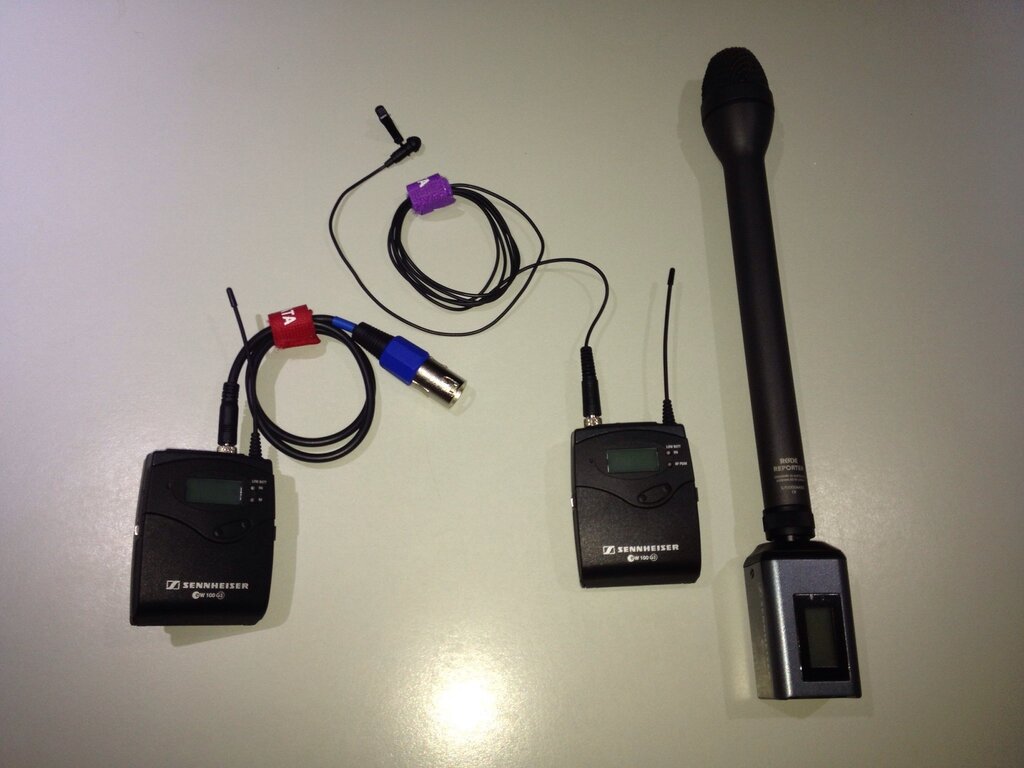
Even without diving deep into technical specifications, you can spot initial clues that indicate a system's tier. Build quality is an obvious one. Entry-level systems often use plastic casings, while professional gear is almost always housed in rugged metal to withstand the rigours of touring and daily use. Another key indicator is the simultaneous system count—the number of wireless mics you can operate in the same space without them interfering with each other.
Market Tiers
Wireless systems are designed for different users. Understanding these market segments helps clarify why certain features matter more than others depending on the application.
Entry-Level Systems: These are built for simple, non-critical applications. Think of a small school auditorium, a house of worship, or a local community centre. The main goal is basic wireless freedom at an affordable price. These systems are perfect when you only need one or two microphones running at a time.
Mid-Tier Systems: Stepping up, these systems offer better build quality, more reliable RF performance, and the ability to run more systems at once. They are common in corporate boardrooms, regional theatres, and live music venues. They provide a balance of professional features and cost.
High-End/Professional Systems: This is the top tier, designed for mission-critical applications where failure is not an option. We're talking about major concert tours, broadcast television, and large-scale theatre productions. These systems offer superior audio quality, rock-solid RF stability even in the most hostile radio environments, and advanced networking and control features. They also utilise more sophisticated to ensure pristine, interference-free sound.
| Feature | Entry-Level System | High-End System |
|---|---|---|
| Primary User | Schools, small venues | Broadcast, major tours |
| Build Quality | Typically plastic | Rugged metal construction |
| Simultaneous Systems | 4-12 | 40+ |
| Transmission | Often analog FM | Almost exclusively digital |
| Antenna System | Simple, fixed antennas | Advanced diversity, external antennas |
Understanding these tiers is the first step in choosing the right tool for the job. While an entry-level system is perfectly adequate for a simple presentation, using it for a live television broadcast would be courting disaster. Conversely, installing a high-end touring system in a small classroom would be unnecessary and costly.
What is the primary function of the receiver in a wireless microphone system?
A large-scale theatre production, where signal failure is not an option, would most likely require which tier of wireless system?