Winter Sports Fun
Introduction to Winter Sports
More Than Just Cold
Winter sports are activities played on snow or ice. This simple definition opens up a world of diverse and exciting challenges, from gliding across a frozen lake on skates to carving down a mountainside on skis. What unites them is their fundamental interaction with a frozen landscape. Unlike sports played on a predictable field or court, winter sports embrace the unique properties of snow and ice, turning slippery, cold environments into a playground.

These sports thrive in specific environments. Towering mountain ranges offer the steep, snow-covered slopes necessary for skiing and snowboarding. Flat, frozen lakes and rivers become natural rinks for skating and ice hockey. Even in warmer climates, technology allows for the creation of indoor ice rinks and artificial snow, bringing these activities to new audiences. In every case, the environment isn't just a backdrop; it's an active participant that shapes the entire experience.
The Right Stuff
Performing on snow and ice demands a unique set of physical skills. Balance is paramount. Whether you're on a single snowboard edge or two thin skate blades, maintaining control on a low-friction surface is the first and most important challenge. It requires constant, tiny adjustments from your core muscles to stay upright.
Endurance and strength are also key. Skiing, for example, is a full-body workout that engages your legs, core, and upper body. Propelling yourself across flat terrain on cross-country skis or navigating a steep descent requires significant cardiovascular fitness and muscular power. These sports test not just raw strength, but the body's ability to adapt and react to an unpredictable surface.

From Survival to Spectacle
Many winter sports didn't begin as sports at all. They were born from necessity. Skis and snowshoes were developed thousands of years ago as essential tools for transportation and hunting in snow-covered regions. Ice skates, originally made from animal bone, allowed people to cross frozen rivers and lakes efficiently.
Over time, these practical skills evolved into recreation. As communities grew, people began racing on skis and skates for fun. By the late 19th and early 20th centuries, these informal contests became organized sports with standardized rules, culminating in the first Winter Olympic Games in 1924.
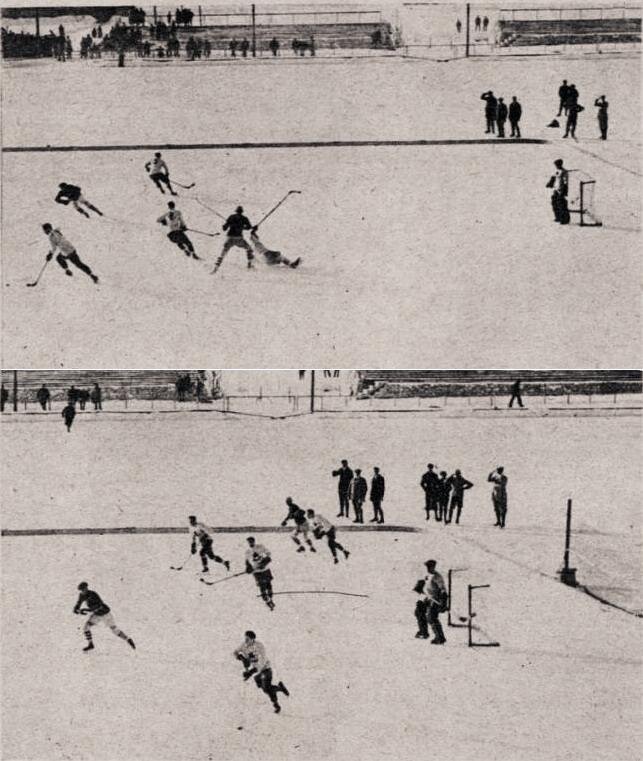
Today, winter sports are deeply woven into the cultural fabric of many nations, particularly those in the Northern Hemisphere. They drive tourism, inspire local festivals, and form a core part of national identity. For millions, the arrival of snow doesn't mean staying indoors, but an opportunity to get outside and connect with the season.
From practical transportation to global competitions, winter sports represent a unique human adaptation to cold environments.
Ready to check your understanding?
What is the most fundamental characteristic that unites all winter sports?
According to the text, what is the 'first and most important challenge' an athlete faces when performing on snow or ice?
This unique blend of environment, physical skill, and cultural history is what makes winter sports so compelling.