Winston Tsu
Introduction to Winston Tsu
From Schoolboy to Soldier
Winston Churchill’s early life was a mix of privilege and struggle. Born into the aristocratic Spencer-Churchill family, he had access to the best education England could offer. Yet, he was a rebellious and poor student, often clashing with his teachers and his stern father. He didn't seem destined for greatness.
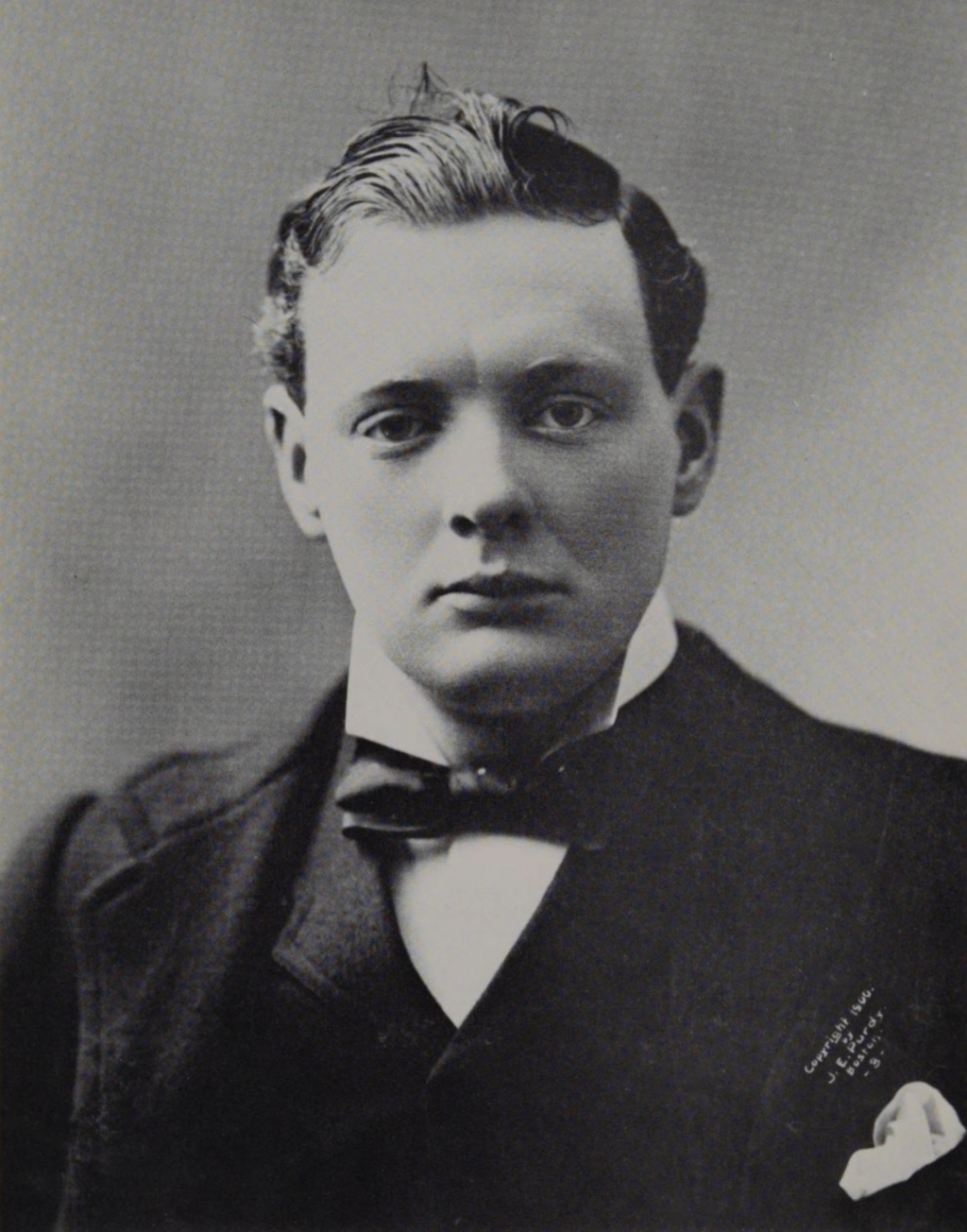
His path became clearer when he entered the Royal Military College at Sandhurst. Here, he thrived. Unlike his earlier schooling, the military structure and focus suited him. After graduating, his early career was a whirlwind of action. He served as both a soldier and a war correspondent, seeing combat in places like Cuba, India, and Sudan. This period was crucial, shaping his worldview and giving him firsthand experience of the British Empire's power and politics.
Churchill's time as a correspondent taught him the power of words, a skill he would master and use to rally a nation decades later.
A Career in Politics
In 1900, Churchill transitioned from the military to politics, winning a seat in Parliament. His political career was long, complex, and full of shifts. He famously switched political parties twice, a move that earned him both admirers and enemies. Over the next four decades, he held many of the highest offices in the British government.
| Role | Years (Approx.) | Key Responsibility |
|---|---|---|
| Home Secretary | 1910-1911 | Domestic affairs and law enforcement |
| First Lord of the Admiralty | 1911-1915, 1939-1940 | Head of the Royal Navy |
| Chancellor of the Exchequer | 1924-1929 | Chief financial minister |
| Prime Minister | 1940-1945, 1951-1955 | Head of government |
One of his most significant early roles was as First Lord of the Admiralty, the civilian head of the Royal Navy. He pushed for modernization, advocating for new battleships and the development of naval aviation. However, his leadership during World War I was marred by the disastrous Gallipoli Campaign, a failed invasion of Turkey that resulted in his demotion and a period out of power, often called his "wilderness years."
Britain's War Leader
Churchill’s most defining contribution came during World War II. In the 1930s, while many hoped for peace, he was a loud and persistent voice warning about the threat of Nazi Germany. When war finally broke out, and Britain stood alone against Hitler, he became Prime Minister in 1940.
His leadership during this dark period is legendary. Through his powerful speeches and unwavering resolve, he inspired the British people to resist and fight on. His refusal to surrender, even when the situation seemed hopeless, was a critical factor in the eventual Allied victory.
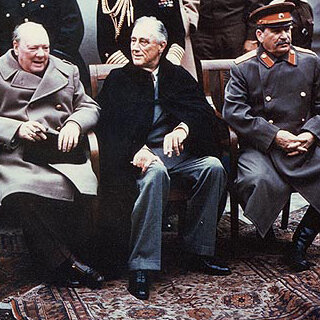
Beyond his wartime leadership, Churchill was a prolific writer and historian, winning the Nobel Prize in Literature in 1953. His works covered history, biography, and his own experiences, cementing his legacy not just as a statesman but also as a man of letters. He was also an avid painter.
His career shows a remarkable journey of resilience. From a difficult schoolboy to a disgraced minister and finally to a celebrated war hero, Churchill's life was a testament to his determination and complex character.
Time to test your knowledge on Churchill's life and major milestones.
How did Winston Churchill's experience at the Royal Military College at Sandhurst contrast with his earlier schooling?
What major military campaign during World War I, overseen by Churchill, was considered a disaster and led to his political demotion?
Churchill's life offers a powerful look at leadership through turbulent times. His career spanned multiple eras of British history, leaving an indelible mark on the 20th century.