Winning Procurement Negotiations
Introduction to Negotiation
What is Negotiation?
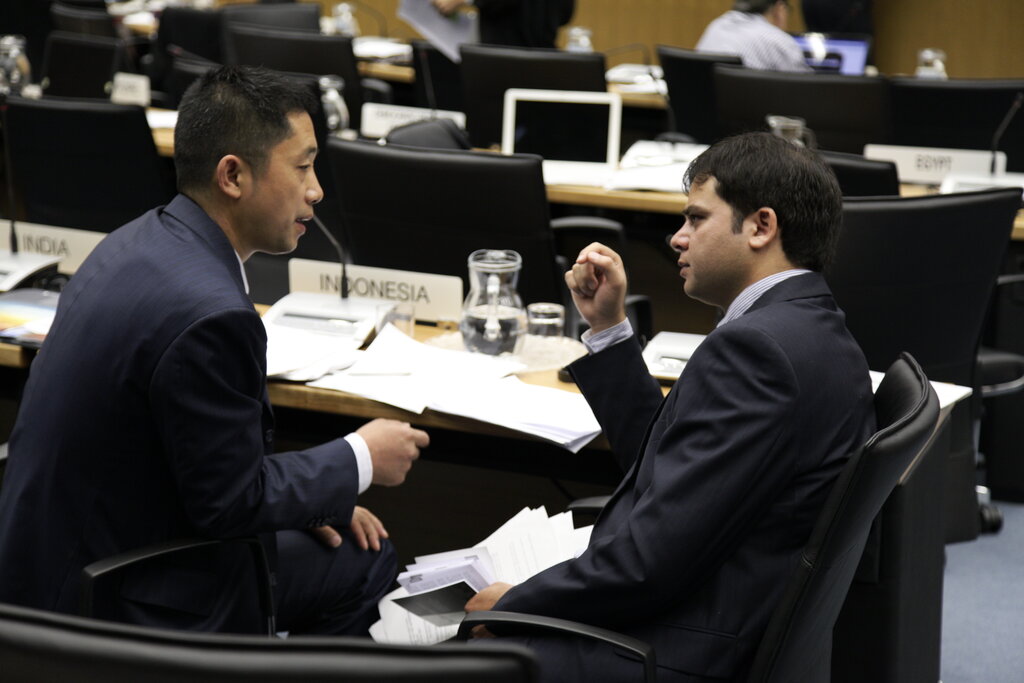
Negotiation is a strategic discussion that resolves an issue in a way that both parties find acceptable. In each negotiation, individuals or groups try to persuade the other side to agree with their point of view. By trading concessions, they can often come to a compromise.
At its core, negotiation is about understanding people, solving problems and finding common ground.
You probably negotiate more often than you think. It happens when you decide with a friend where to eat dinner, when you discuss a project deadline with your boss, or when you buy a car. It's a fundamental process for reaching agreements and making decisions in both our personal and professional lives.
Two Main Types
While every negotiation is unique, most fall into one of two categories: distributive or integrative. Understanding the difference is key to choosing the right approach.
Distributive negotiation is a "win-lose" situation. The parties are competing to divide a fixed amount of value. Think of it like slicing a single pie – a bigger piece for you means a smaller piece for someone else. Haggling over the price of a used car is a classic example.
Integrative negotiation is a "win-win" approach. The parties collaborate to create more value, effectively making the pie bigger. This is common in situations where a long-term relationship is important, like two business partners figuring out their respective roles and responsibilities.
| Feature | Distributive (Win-Lose) | Integrative (Win-Win) |
|---|---|---|
| Goal | Claiming maximum value | Creating and claiming value |
| Motivation | Individual gain | Mutual and individual gain |
| Relationship | Unimportant or short-term | Important or long-term |
| Interests | Opposed | Convergent or different |
| Outcome | One wins, one loses | Both parties can succeed |
The Negotiation Process
Successful negotiations typically follow a clear structure. While the details can vary, the process generally moves through four distinct stages.
1. Preparation: This is the most critical stage. Here, you define your goals, research the other party, and determine your Best Alternative to a Negotiated Agreement (BATNA). Your BATNA is your best course of action if you can't reach a deal.
2. Opening: Both sides present their initial positions. This sets the tone for the rest of the negotiation. It's about exchanging information and understanding what each party wants.
3. Bargaining: This is the core of the negotiation, where parties make proposals, trade concessions, and work toward a compromise. The goal is to find a middle ground that satisfies the key interests of both sides.
4. Closing & Implementation: Once an agreement is reached, the terms are finalized. This stage involves formalizing the deal (often in writing) and outlining the steps for putting it into action.
Essential Skills for Success
Effective negotiators aren't born; they're made. They cultivate a specific set of skills that allow them to navigate complex discussions and build consensus.
Beyond thorough preparation, other key skills include:
-
Active Listening: Truly hearing and understanding the other party's needs, concerns, and motivations. This builds trust and uncovers hidden opportunities for agreement.
-
Clear Communication: Articulating your own interests and proposals clearly and concisely. Misunderstanding is the enemy of agreement.
-
Problem-Solving: Shifting from a confrontational mindset to a collaborative one. The best negotiators work with the other side to solve the problem together.
-
Emotional Control: Staying calm and patient, especially when talks become difficult. Letting emotions like frustration or anger take over can derail a promising negotiation.
Ready to check your understanding? Let's see what you've learned about the fundamentals of negotiation.
What is the primary purpose of the bargaining stage in a negotiation?
According to the text, which skill involves truly hearing and understanding the other party's needs, concerns, and motivations?
Mastering these core concepts gives you a solid foundation. With this understanding of what negotiation is, its different forms, stages, and required skills, you're ready to explore more advanced strategies.