Winning Hackathons
Hackathon Fundamentals
What Is a Hackathon?
The word “hackathon” combines “hack” and “marathon.” It’s not about breaking into computer systems. Instead, “hack” refers to creative problem-solving, like finding a clever shortcut or building something new in a short amount of time. Think of it as an invention marathon.
hackathon
noun
An event, typically lasting several days, in which a large number of people meet to engage in collaborative computer programming and problem-solving.
At its core, a hackathon is an event where people with different skills—like programmers, designers, project managers, and subject matter experts—come together to work intensively on a project. The goal is to create a working prototype, like a new app, website, or even a hardware device, by the end of the event.
Imagine a condensed version of the entire product development process squeezed into a weekend. That's a hackathon.
Structure and Flow
While every hackathon is unique, most follow a similar pattern. They're not just chaotic coding sessions; there's a structure designed to foster creativity and collaboration.
The event usually starts with an opening ceremony where organizers announce the theme or specific problem to be solved. Participants then form teams, often with people they've just met. The bulk of the time is dedicated to “hacking”—brainstorming, designing, and building the project. It all culminates in a series of short presentations, or “demos,” where each team shows off what they created to a panel of judges.
Formats, Durations, and Themes
Hackathons are incredibly diverse. They can be hosted by companies, universities, or community groups. Some are highly competitive with big prizes, while others are more collaborative and focused on learning.
Duration: Most hackathons take place over a weekend, running from Friday evening to Sunday afternoon. This 24 to 48-hour format creates a sense of urgency and excitement. However, some can be shorter, like a single day, or longer, spanning a full week.
Themes: A hackathon theme provides focus. It can be broad, like “social good” or “education,” or very specific, such as “building an app using a new piece of financial technology.” Some are even themed around a particular cause, like disaster relief or environmental sustainability.
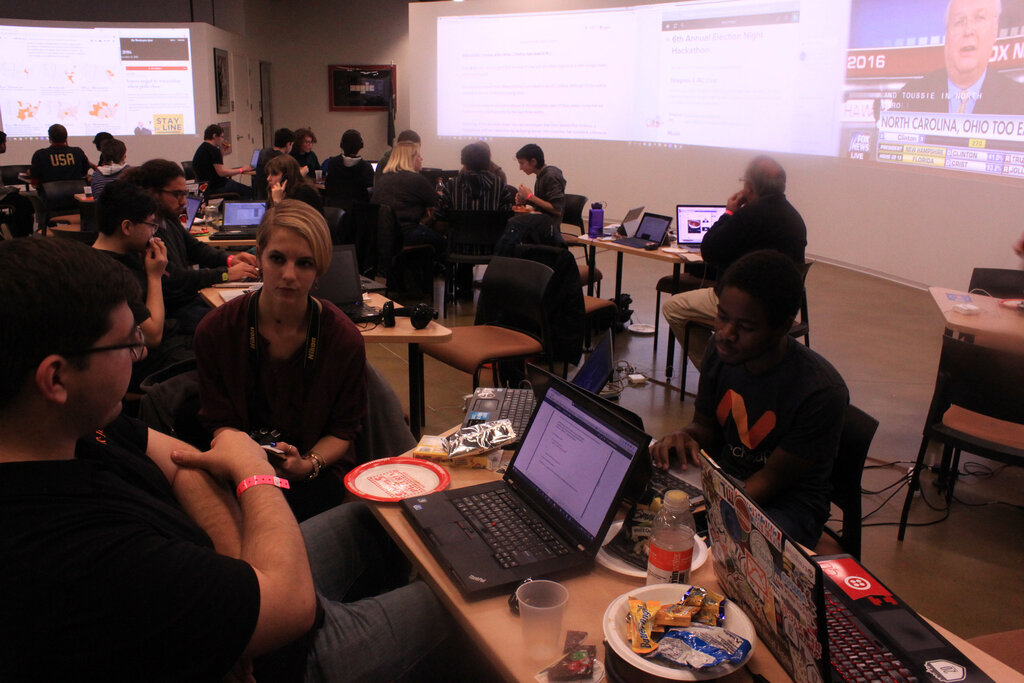
The format can also vary. Most are in-person events, which are great for networking and intense collaboration. Virtual hackathons have also become popular, allowing people from all over the world to participate from home.
Why Participate?
So, why would anyone give up their weekend to work intensely on a project? The benefits are huge, especially for those looking to build new skills and connections.
Game jams and hackathons are excellent opportunities for practical experience.
First, you learn by doing. You get to apply your existing skills to a real-world problem and pick up new ones on the fly. Whether it's a new programming language, a design tool, or project management technique, the hands-on experience is invaluable.
Second, hackathons are fantastic for networking. You'll meet and work with talented, passionate people from different backgrounds. These connections can lead to job opportunities, collaborations, or simply new friendships.
Finally, you get to build something tangible. At the end of the event, you’ll have a project to add to your portfolio. It’s a powerful way to demonstrate your skills and creativity to potential employers or collaborators. Plus, there's a huge sense of accomplishment in taking an idea from concept to prototype in just a couple of days.
Ready to test what you've learned about the basics?
What is the primary meaning of the word "hack" in the context of a hackathon?
Which of the following is typically the final phase of a hackathon?
Hackathons are a powerful way to innovate, learn, and connect with others. Understanding their basic structure and purpose is the first step toward a great experience.