Window Replacement Sales Mastery
Industry Overview
A Clear View of the Market
The window replacement industry is a significant part of the broader construction market. In the United States alone, it's valued at over $35 billion annually. And it's not standing still. Projections show the market growing by 4-5% each year for the foreseeable future. This steady growth isn't just about building new homes; a huge portion comes from homeowners upgrading their existing windows.
This market is typically split into two main categories: residential and commercial. The residential side, which includes single-family homes, townhouses, and small apartment buildings, makes up the larger piece of the pie. The commercial sector involves larger-scale projects like office buildings, schools, and hospitals. While residential projects are more frequent, commercial jobs are often much larger in scope and value.
Why People Upgrade
The biggest driver of window replacement is the push for energy efficiency. Older, single-pane windows are like leaving a door wide open. They leak heat in the winter and cool air in the summer, forcing HVAC systems to work overtime. This directly translates to higher utility bills.
Modern windows solve this problem with advanced technology. Double or even triple-pane glass creates insulating layers of air or gas (like argon) that slow heat transfer. Special coatings, known as low-emissivity or "Low-E" coatings, reflect heat back to its source, keeping homes warmer in the winter and cooler in the summer. For a homeowner, the upfront cost of new windows is an investment that pays for itself over time through lower energy bills.
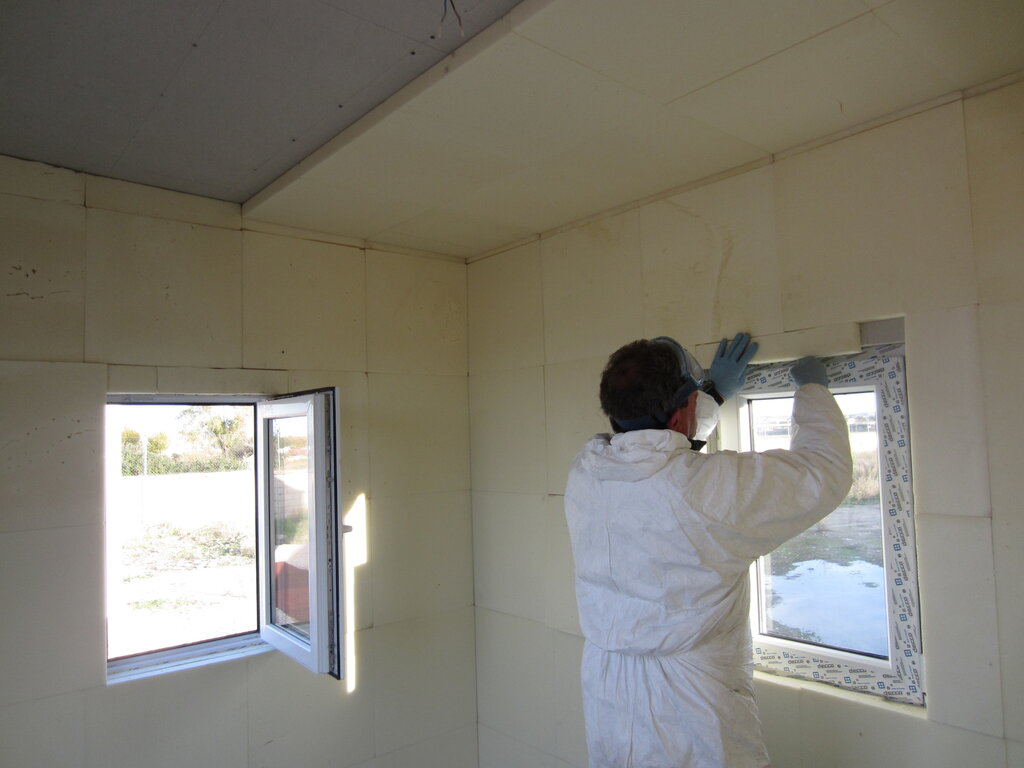
Beyond saving money, sustainability is a major factor. As people become more environmentally conscious, reducing their home's carbon footprint is a priority. Energy-efficient windows directly contribute to this goal by lowering the energy consumption needed for heating and cooling. Government programs and local utility companies often offer tax credits or rebates for installing high-performance windows, making the decision even easier for consumers.
The Competitive Landscape
The window market is a mix of a few large, national players and thousands of smaller, local installers. Big names like Andersen, Pella, and Marvin have strong brand recognition and extensive distribution networks. They manufacture the windows and often have certified partners who handle sales and installation.
The industry is fragmented. While large manufacturers dominate production, the installation side is highly localized, creating opportunities for smaller businesses to compete on service and regional expertise.
These major players compete alongside regional manufacturers and local contractors who might source windows from various suppliers. The market is also seeing a rise in specialized companies that focus on a particular niche, such as historic window restoration or ultra-high-efficiency products for passive houses. Competition is based on a mix of product quality, price, brand reputation, and the quality of the installation service.
| Feature | Vinyl | Wood | Fiberglass | Aluminum |
|---|---|---|---|---|
| Cost | Low | High | High | Medium |
| Maintenance | Low | High | Low | Low |
| Durability | Good | Good | Excellent | Excellent |
| Efficiency | Good | Excellent | Excellent | Fair |
| Aesthetics | Limited | Classic | Versatile | Modern |
Understanding these material differences is key to understanding the market. Vinyl windows are the most popular choice due to their affordability and low maintenance, dominating a large portion of the residential replacement market. Wood offers a traditional look but comes at a higher price and requires more upkeep. Fiberglass is a premium option, offering superior durability and efficiency, while aluminum is more common in commercial and modern residential applications where strength is paramount.
What is the primary driver for homeowners to replace their windows?
What is the function of a 'Low-E' coating on modern windows?
Grasping these industry fundamentals, from market size to the factors driving consumer choice, provides a solid foundation for navigating the world of window replacement.