Wind: Science and Spiritual Connection
Kinetic Breath
The Breath of the World
Air flows from high pressure to low pressure. This simple physical law drives everything from global weather patterns to the very act of breathing. When you inhale, your diaphragm creates a low-pressure zone in your chest, and the higher-pressure air outside rushes in. The Earth does the same on a massive scale. This constant movement, this planetary exhalation, is what we call wind.
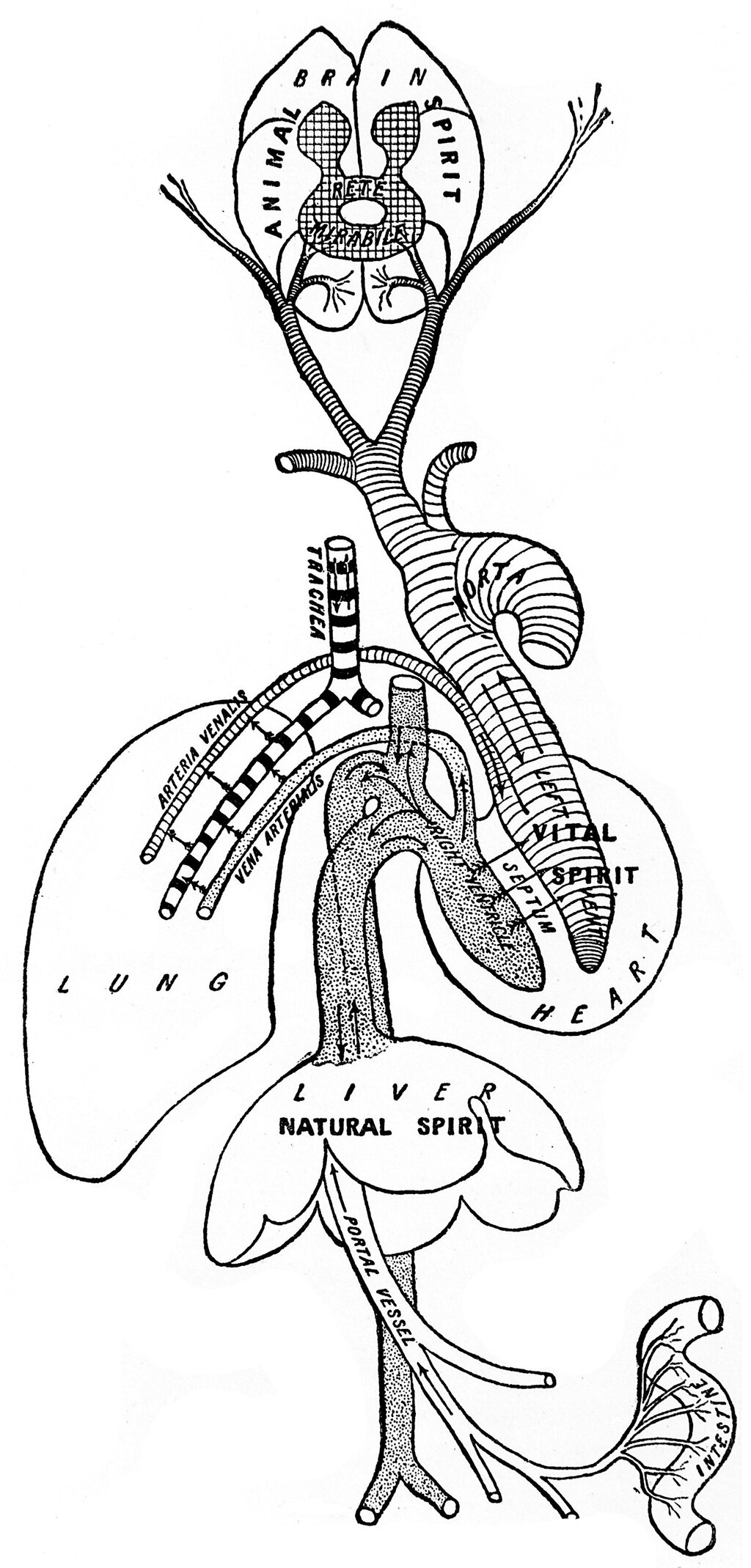
Ancient cultures recognized this profound connection. The Hebrew word Ruach and the Greek word Pneuma both mean wind, breath, and spirit. They didn't see these as separate ideas. The invisible force that rustled the leaves was the same essential energy that animated living beings. Wind was not just moving air; it was the breath of life itself, a tangible sign of an unseen presence.
Pneumatology is derived from the Greek word ‘pneuma’, meaning “spirit”, “wind”, or “breath”.
Feeling the Unseen
You can't see the wind, but you know it's there. You feel it on your skin. This sensation transforms wind from an abstract concept into a direct, physical experience. It's neither a solid object nor empty space. Phenomenologists call this a 'quasi-thing'—something that has a real, felt presence despite being invisible.
This feeling isn't just poetic. It's a precise physiological process. Your skin is covered in sensory receptors, specifically mechanoreceptors that respond to pressure and thermoreceptors that detect temperature changes. A gust of wind is a rapid change in both. Millions of these tiny sensors fire at once, sending a powerful signal to your brain: something is here. This immediate, bodily awareness is what makes a sudden breeze feel so invigorating, triggering a state of heightened alertness.
This effect is amplified by thermal inertia—the fact that different materials heat and cool at different rates. On a sunny day, land heats up much faster than water. The air over the land gets hot, expands, and rises, creating a low-pressure area. The cooler, denser air over the water then slides in to replace it. This is a sea breeze. It's a living, breathing process, a local sigh from the landscape itself.
Whispers on the Wind
On a global scale, these same principles create vast, predictable wind belts. The kinetic energy in these systems is immense. For ancient mariners, the Trade Winds and Westerlies were not just meteorological phenomena explained by the Coriolis effect. They were powerful, directional forces with a will of their own. Their reliability turned treacherous oceans into navigable highways.
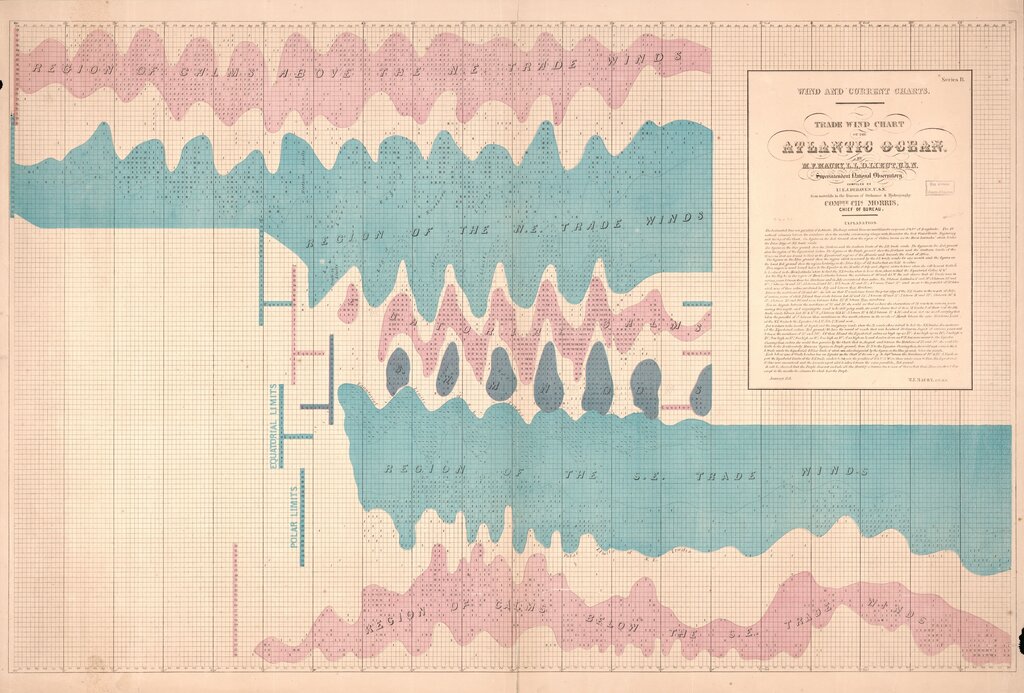
To sail these winds was to enter into a partnership with a living system. Their constant presence was interpreted in many ways: as divine guidance, the breath of the gods, or the whispers of ancestors carried across the water. This wasn't just superstition. It was a deeply practical way of understanding and respecting a force that held the power of life and death. The physical push of the wind on a sail was inseparable from the spiritual sense of being carried toward a destiny.
What fundamental principle explains both the act of human breathing and the creation of wind?
The ancient Greek word Pneuma is significant because it refers to the interconnected concepts of wind, spirit, and what else?