Wind Energy Transition: Technologies, Societal Impact, and Innovation
Introduction to Wind Energy
Harnessing the Breeze
For thousands of years, humans have used the wind's power. It pushed sailing ships across oceans and turned the blades of windmills to grind grain. This ancient idea has found a powerful new purpose in our modern world: generating clean electricity.
Wind is simply air in motion, created by the uneven heating of the Earth by the sun. This movement carries a huge amount of kinetic energy. The challenge, which we've now largely solved, is how to capture that energy and turn it into a form we can use to power our homes and cities.
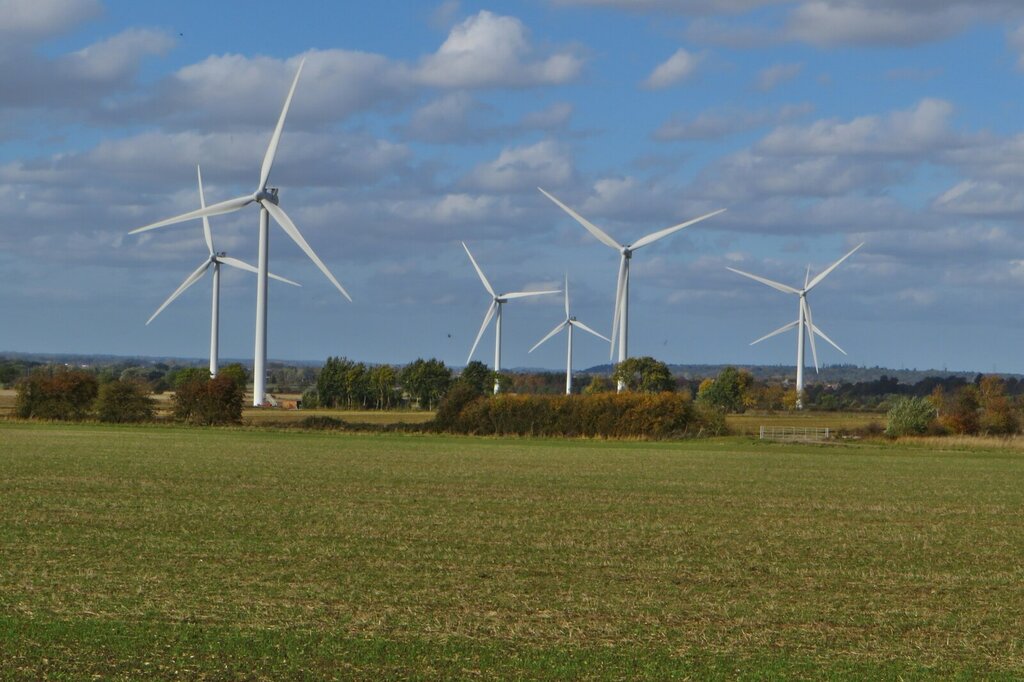
How a Turbine Works
A modern wind turbine works like a reverse fan. Instead of using electricity to make wind, it uses wind to make electricity. The process is straightforward and relies on a few key components working together.
The wind pushes against the blades, causing them to spin. These blades are connected to a rotor, which in turn spins a central shaft. This shaft is linked to a gearbox that increases the rotational speed. The fast-spinning shaft drives a generator, which converts the mechanical energy of the spinning motion into electrical energy. It's a direct application of electromagnetic induction, where moving a magnet near a coil of wire creates an electric current.
The amount of power a turbine can generate is directly related to the wind speed. Specifically, the power available is proportional to the cube of the wind speed (). This means that doubling the wind speed increases the available power by a factor of eight. That's why wind farms are built in consistently windy locations, like coastal areas, open plains, or offshore.
Wind Power's Global Rise
Wind energy is a critical part of the global energy transition, which is the worldwide shift from fossil fuels like coal, oil, and natural gas to renewable energy sources. This transition is driven by the need to reduce carbon emissions and combat climate change.
Unlike fossil fuels, wind turbines produce no greenhouse gas emissions during operation. This makes wind power a powerful tool for cleaning up our electricity grid.
Over the past two decades, wind power has grown from a niche technology into a major source of electricity for many countries. Costs have fallen dramatically, making wind one of the cheapest sources of new electricity generation available today. This economic advantage, combined with its environmental benefits, has accelerated its adoption worldwide.
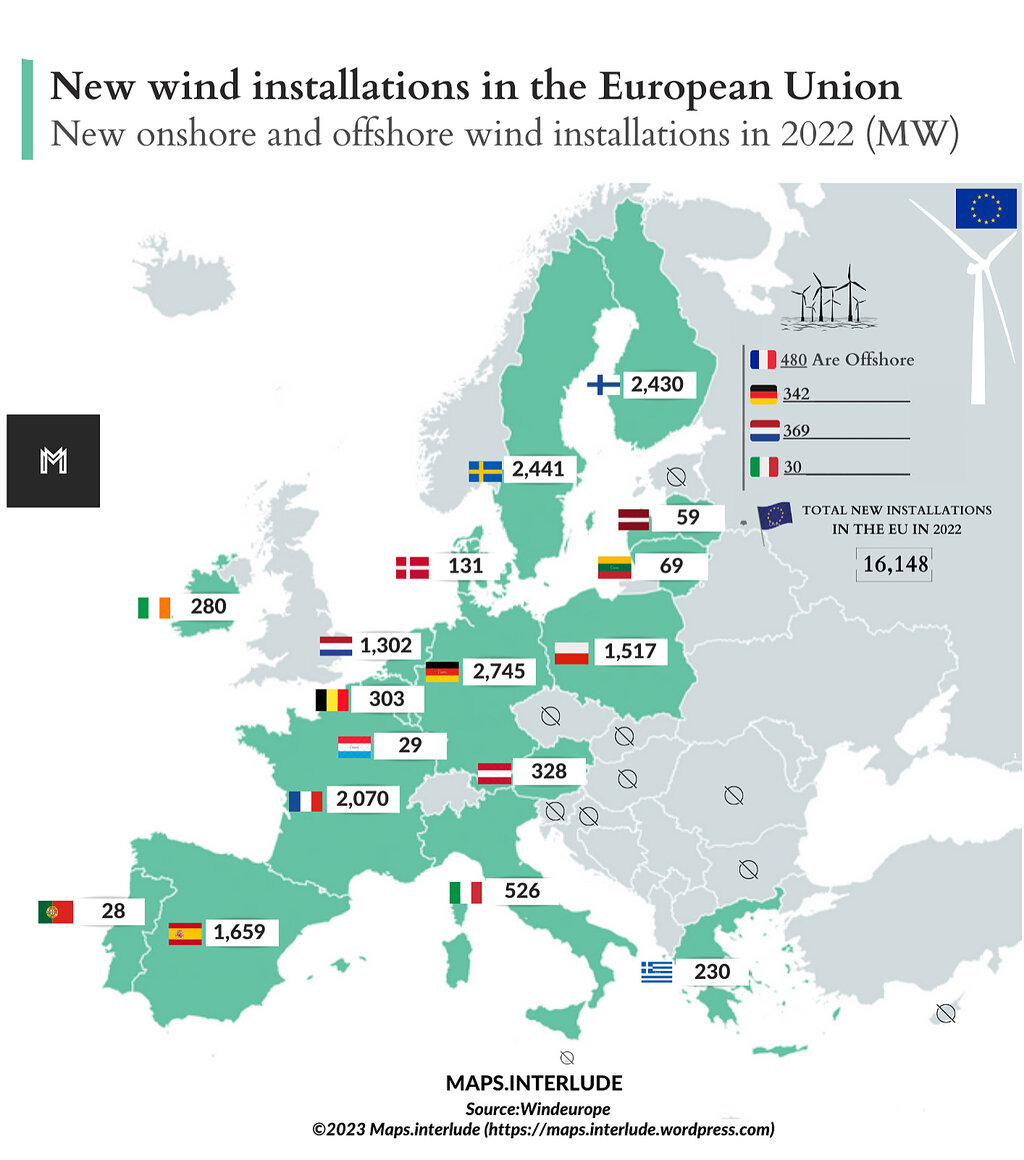
As technology continues to improve, wind energy will play an even larger role in our energy future. It represents a return to a simple, powerful idea: using the natural forces of our planet to create a cleaner, more sustainable world.
A modern wind turbine functions most like which of these devices, but in reverse?
The amount of power available from the wind is proportional to the cube of the wind speed. If a wind speed of 10 mph generates 5 megawatts (MW) of power, how much power would a 20 mph wind generate?