Willem van Oranje The Dutch Rebel
Early Life and Education
The German Count
Willem van Oranje, known to history as William the Silent, wasn't born in the Netherlands. His story begins on April 24, 1533, at Dillenburg Castle in Germany. He was the eldest son of William, Count of Nassau-Dillenburg, and Juliana of Stolberg. His parents were devout Lutherans, and William was raised in the Protestant faith, surrounded by a large family.
His world changed dramatically when he was just 11 years old. His cousin, René of Chalon, the Prince of Orange, died in battle without an heir. Suddenly, young William inherited a vast fortune, including the independent Principality of Orange in Southern France and significant lands and titles throughout the Netherlands, a territory controlled by the powerful Habsburg Empire.
Overnight, a German boy became one of the most important nobles in the Low Countries. But this inheritance came with a major condition.
The ruler of the Habsburg Empire, Emperor Charles V, would not allow such a powerful vassal to be a Protestant. To claim his inheritance, William had to leave his family in Germany, move to the imperial court in Brussels, and be re-educated as a Roman Catholic under the Emperor's direct supervision.
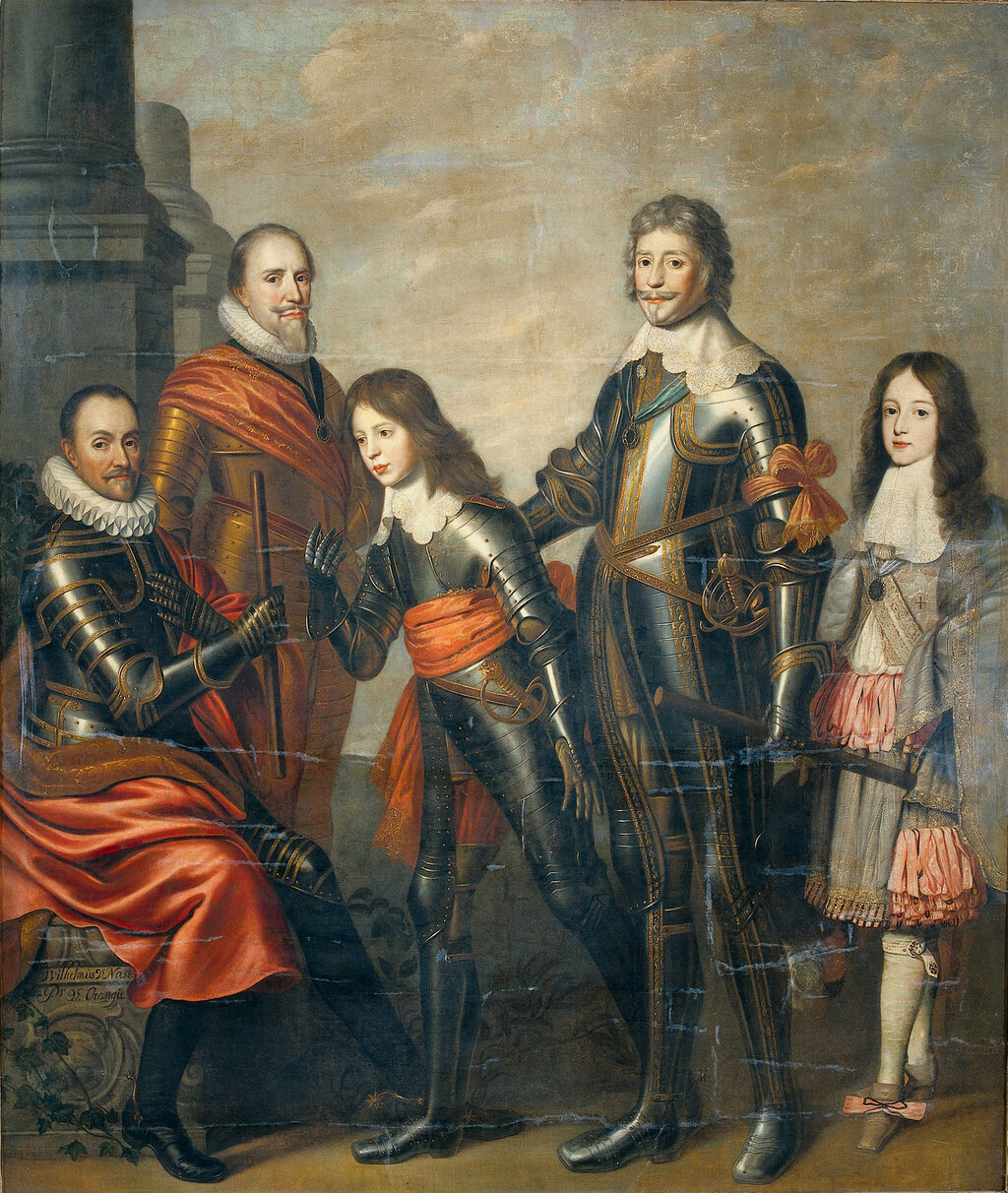
An Imperial Education
Life at the Brussels court was a world away from his quiet upbringing in Dillenburg. He was now at the center of European power. His education was no longer just about books; it was a practical training in statecraft. He studied languages, becoming fluent in French, Dutch, Spanish, and Latin, in addition to his native German. He also learned the intricate rules of court etiquette, diplomacy, and military strategy.
Emperor Charles V took a personal liking to the young prince. He saw William's potential and treated him like a son, giving him a privileged position at court. This close relationship provided William with an unparalleled education in politics. He was present for important meetings, met influential ambassadors, and learned firsthand how a vast empire was governed. He observed the delicate balance of power between nobles, clergy, and the rising merchant class.
This experience shaped him profoundly. He became a man of multiple worlds: a German by birth, a Dutchman by title, and a courtier of the Habsburg Empire by training. His ability to navigate these different identities, understand various points of view, and keep his own thoughts private earned him the nickname "the Silent." It was a skill honed not in a classroom, but in the corridors of power.
Where was William of Orange born?
What major life change did William have to undergo at age 11 to claim his inheritance?
This unique upbringing, blending Protestant roots with a Catholic, imperial education, prepared him for the complex challenges that lay ahead.