Wildlife Management Essentials
Introduction to Wildlife Management
What Is Wildlife Management?
Wildlife management is the art and science of balancing the needs of wildlife with the needs of people. It's not just about saving endangered species or setting hunting seasons. It's a complex field that involves understanding animals, the places they live, and how our actions affect them.
wildlife management
noun
The practice of applying ecological knowledge to populations of vertebrate animals and their plant and animal associates in a manner that strikes a balance between the needs of those populations and the needs of people.
The main goals are to ensure wildlife populations are healthy and sustainable for future generations while also managing for the benefits they provide, which can include everything from hunting and fishing to wildlife viewing. To do this, managers focus on three core components: the animals themselves, their habitat, and human activities.
A Look Back in Time
For centuries, managing wildlife was mostly about controlling who could hunt what. Kings and nobles in medieval Europe, for example, set aside large areas for their personal hunting grounds. But the modern, scientific approach is much newer.
It began to take shape in the late 19th and early 20th centuries, as people noticed that some species, like the American bison and passenger pigeon, were disappearing at an alarming rate due to unregulated hunting and habitat loss. This era of exploitation led to the birth of the conservation movement.
Conservationists like Aldo Leopold, often called the father of wildlife management, argued for a more thoughtful approach. He championed the idea of a "land ethic," which calls for people to see themselves as part of a larger community that includes soil, water, plants, and animals.
The land ethic simply enlarges the boundaries of the community to include soils, waters, plants, and animals, or collectively: the land.
This shift in thinking moved wildlife management from simply regulating harvests to actively understanding and improving the health of entire ecosystems.
The Science of It All
Today, wildlife management is deeply rooted in ecology, the scientific study of how organisms interact with each other and their environment. Biologists study population dynamics to understand how wildlife numbers change over time. They research habitat needs, figuring out the specific food, water, and shelter each species requires to thrive.
This scientific work isn't just done in a lab. It involves fieldwork, where biologists gather data directly from the natural world.
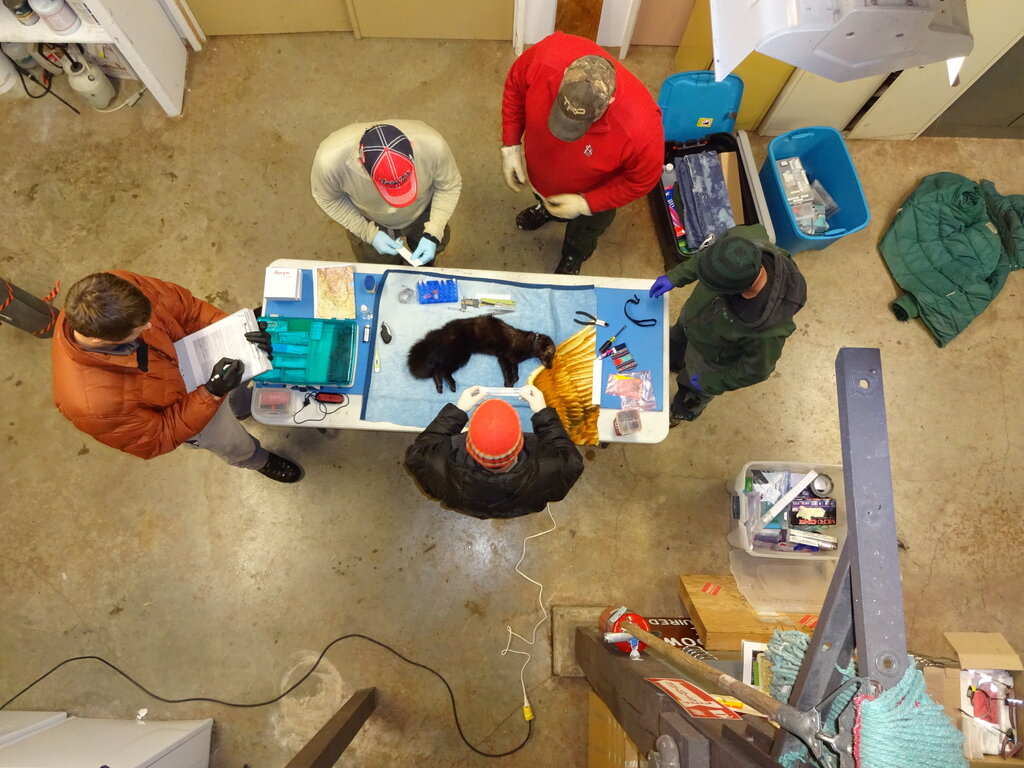
By understanding these core ecological principles, managers can make informed decisions. For example, knowing a habitat's carrying capacity—the maximum number of a species it can support—helps them understand if a population is growing too large for its environment.
The three central components of wildlife management are deeply interconnected. What happens in one area almost always affects the others.
Human activities, such as building cities, farming, or even hiking, can alter habitats. These changes directly impact wildlife populations, which might decline due to loss of food or shelter, or increase if the changes unexpectedly favor them. The goal of wildlife management is to operate in that central, overlapping space where the needs of all three components can be met.
Finding a Balance
Ultimately, wildlife management is about people. It's about making choices as a society about how we want to coexist with the natural world. This often involves navigating different values and opinions.
A rancher might be concerned about wolves preying on livestock, while a tourist might travel hundreds of miles hoping to see a wolf in the wild. A developer may want to build houses in an area that is also a critical wintering ground for deer. There are rarely easy answers.
Effective management requires communication, education, and collaboration. Biologists and managers must work with landowners, community groups, and the public to find solutions that are both scientifically sound and socially acceptable.
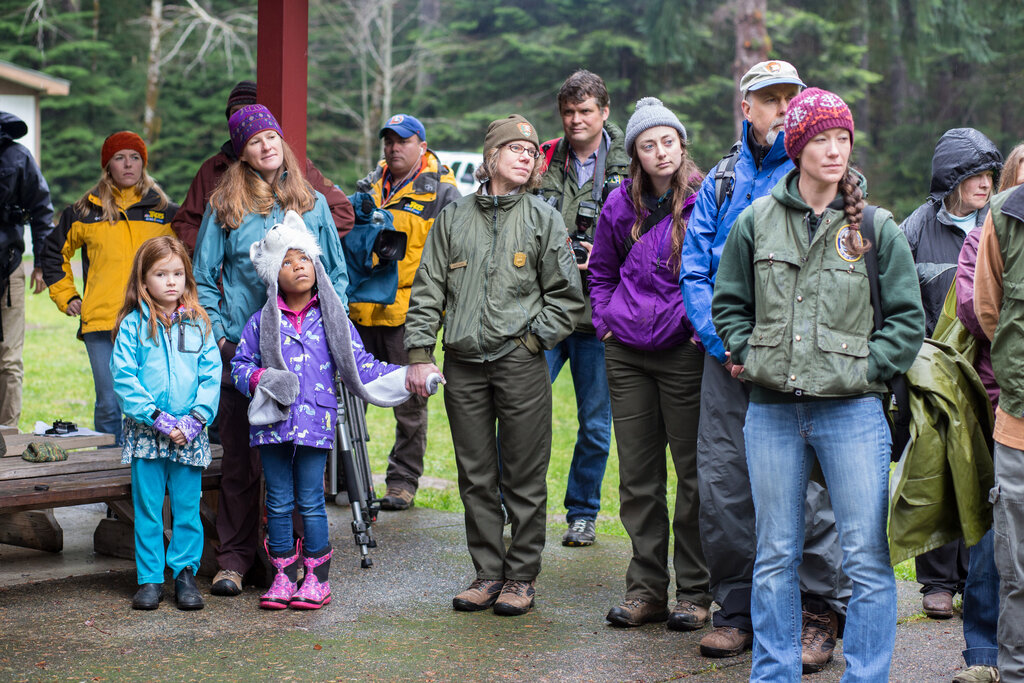
This collaborative approach ensures that management plans are not only effective for wildlife but also sustainable for the communities that live alongside them.
Time to check what you've learned.
What is the primary goal of modern wildlife management?
Wildlife management focuses on balancing the needs of three core components: wildlife populations, their habitats, and ________.
Wildlife management is a dynamic field that bridges the gap between the natural world and human society. It uses science to guide conservation efforts, ensuring that wildlife and their habitats can thrive for years to come.