Wild Kenyan Coast Pizza Foraging
Introduction to Coastal Foraging
Foraging the Coastline
Foraging is the simple act of finding and gathering wild food. It's a skill our ancestors relied on for survival, and it connects us to the natural world in a powerful way. The coast of Kenya, with its rich diversity of life, offers a unique opportunity to learn this ancient practice.
From sandy shores to lush mangrove forests, the coastline is a living pantry. Learning to forage here isn't just about finding food; it's about understanding the environment, recognizing the seasons, and appreciating the delicate balance of coastal ecosystems.
Know Your Environment
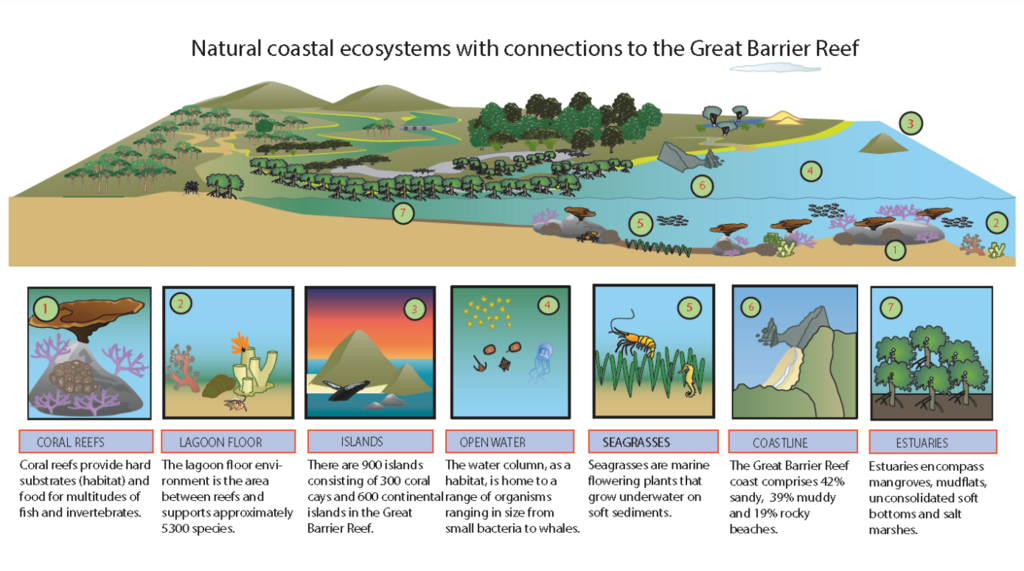
The Kenyan coast is not one single environment, but a collection of different ecosystems, each with its own set of edible treasures. Understanding these zones is the first step to becoming a successful forager.
- Mangrove Forests: These are unique forests where trees grow in salty coastal waters. They are vital nurseries for fish and home to various shellfish and edible plants that have adapted to the saline conditions.
- Rocky Shores and Tide Pools: When the tide goes out, it reveals a hidden world of rock pools. Here, you can find different types of seaweed, limpets, and other marine life clinging to the rocks.
- Sandy Beaches: While they might seem barren, sandy beaches can hide certain edible plants that are adapted to salty spray and sandy soil, often found near the dune line where vegetation begins to grow.
Each of these zones has a unique rhythm, largely dictated by the tides. Foraging safely and effectively means learning to read the tidal charts and understanding when is the best time to explore.
Forage with Respect
A forager is a guardian of the environment, not just a taker. Sustainable harvesting is the most important part of the practice. The goal is to ensure that the wild resources you enjoy will be there for future generations. This means following a few key principles.
| Principle | Why It Matters |
|---|---|
| Take Only What You Need | Leave plenty for wildlife and for the plant population to remain healthy. |
| Know the Plant's Lifecycle | Harvest leaves, fruits, or seeds, but avoid damaging or uprooting the entire plant. |
| Leave No Trace | Carry out any trash and leave the area exactly as you found it. |
| Understand the Law | Be aware of local regulations. Some areas may be protected, and foraging may be restricted. |
By following these guidelines, you help maintain the health and balance of the coastal ecosystem you are a part of.
Safety First
Your safety is paramount. The wild is not a supermarket with labels and ingredients lists. Some plants are poisonous, and misidentification can have serious consequences. The number one rule of foraging is simple, but non-negotiable.
If you are not 100% certain of a plant's identity, do not eat it. When in doubt, leave it out.
Beyond identification, be aware of your physical surroundings. Coastal foraging involves navigating slippery rocks, changing tides, and strong waves. Always check the weather and tide times before you go out, and let someone know where you are going and when you expect to return.
Also, consider the health of the environment where you are gathering. Avoid foraging in areas that may be polluted, such as near industrial sites, busy harbors, or wastewater outlets, as plants and shellfish can accumulate toxins.
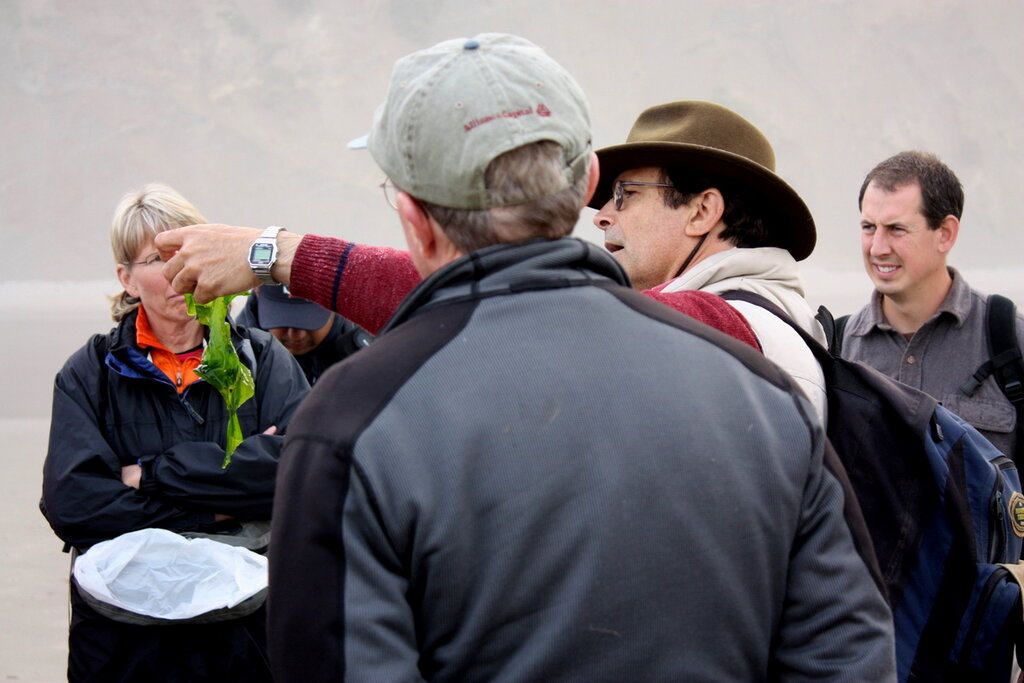
Now, let's review these foundational concepts.
Which coastal ecosystem on the Kenyan coast is described as a vital nursery for fish and a prime location for finding shellfish adapted to salty water?
What is the most important principle of sustainable foraging?
With these basics in mind, you are ready to start learning about the specific plants and seaweeds the coast has to offer.