Wild Edible Mushroom Identification
Mushroom Basics
The Hidden Kingdom of Fungi
When you see a mushroom, you're only seeing a small part of the story. That mushroom is the temporary, reproductive part of a much larger organism living underground or within decaying wood. This hidden network is the true heart of the fungus.
mycelium
noun
The vegetative part of a fungus, consisting of a network of fine white filaments called hyphae.
Think of mycelium like the roots of a plant. It's a vast, web-like structure that forages for food and water. This network can be tiny, covering a small patch of soil, or astoundingly large. Some mycelial networks are among the largest living organisms on Earth, spanning thousands of acres and living for thousands of years.
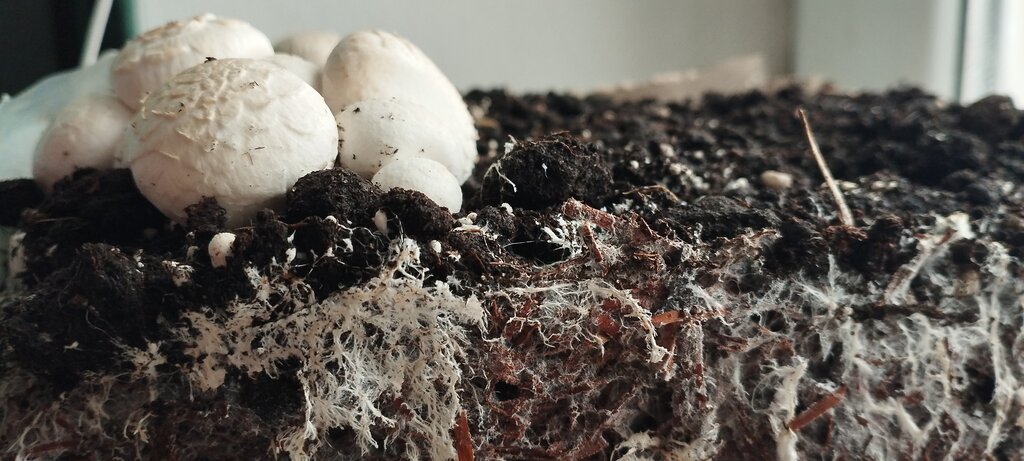
The mycelium's job is to absorb nutrients from its environment. When conditions are just right—usually after a good rain—the network channels its energy into producing what we recognize as a mushroom. The mushroom's sole purpose is to produce and spread spores, starting the life cycle all over again.
From Spore to Mushroom
The life of a fungus is a continuous cycle of growth, reproduction, and dispersal. It all begins with a microscopic spore, a single cell that's like a seed for a new fungus.
When a spore lands in a suitable environment with enough moisture and food, it germinates, sending out a single filament called a hypha. When this hypha encounters another compatible hypha, they fuse together. From this union, a new mycelial network begins to grow, spreading through the soil or wood.
This network can lay dormant for a long time, waiting for the right triggers. A change in temperature or a sudden influx of water can signal that it's time to reproduce. The mycelium then gathers its resources to form a tiny pinhead-like structure called a primordium, which quickly develops into a mature mushroom.
Nature's Great Recyclers
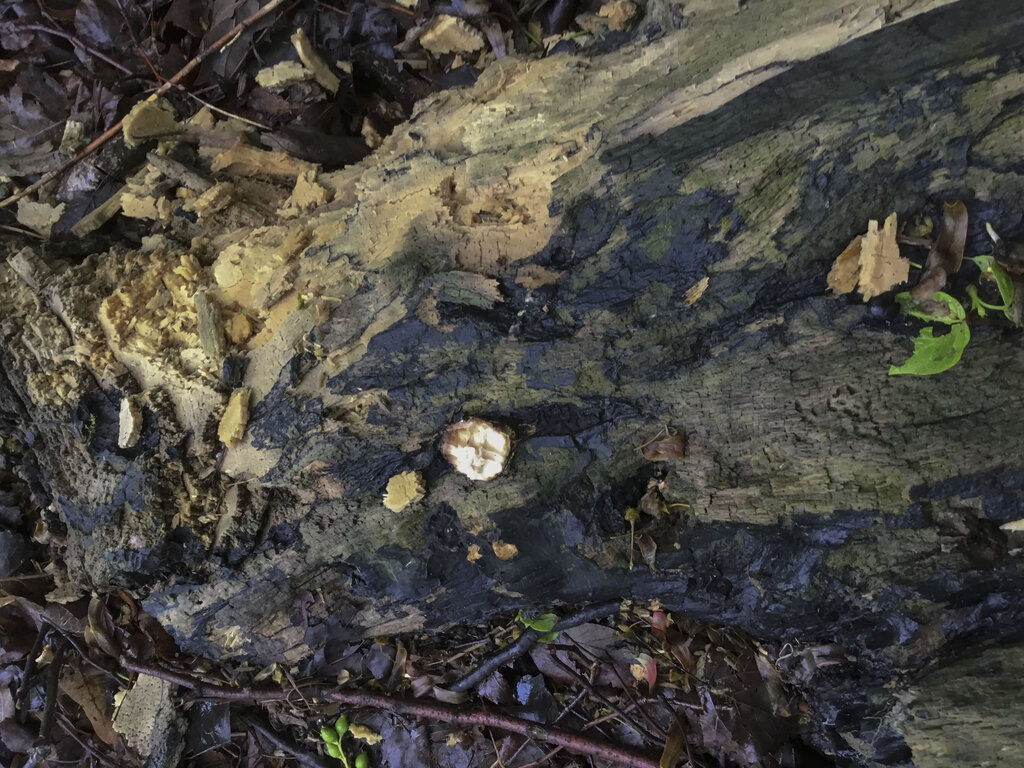
Fungi are essential to the health of our ecosystems. Without them, forests would be buried under mountains of dead wood and leaves. They are master decomposers, breaking down tough organic materials like cellulose and lignin that other organisms can't digest. This process recycles vital nutrients, returning them to the soil for plants to use.
Fungi play three main ecological roles: decomposers, mutualists, and parasites.
Decomposers (or saprophytes) feed on dead organic matter. They are the clean-up crew of the natural world, breaking down fallen logs, leaves, and dead animals.
Mutualists form partnerships with other organisms, most notably plants. In a mycorrhizal relationship, fungal mycelium connects with plant roots. The fungus provides the plant with water and hard-to-reach nutrients from the soil, and in return, the plant shares sugars it creates through photosynthesis.
Parasites get their nutrients from a living host, sometimes harming it in the process. While this sounds negative, parasitic fungi play a role in controlling populations and weeding out weaker individuals in an ecosystem.
A World of Fungi
The fungal kingdom is incredibly diverse, with millions of species. For simplicity, mushroom-forming fungi are often placed into a few major groups based on how they produce and carry their spores.
| Group | Spore-Bearing Structure | Common Examples |
|---|---|---|
| Basidiomycota | Gills, pores, or teeth | Most common mushrooms, puffballs, shelf fungi |
| Ascomycota | Sac-like structures (asci) | Morels, truffles, cup fungi |
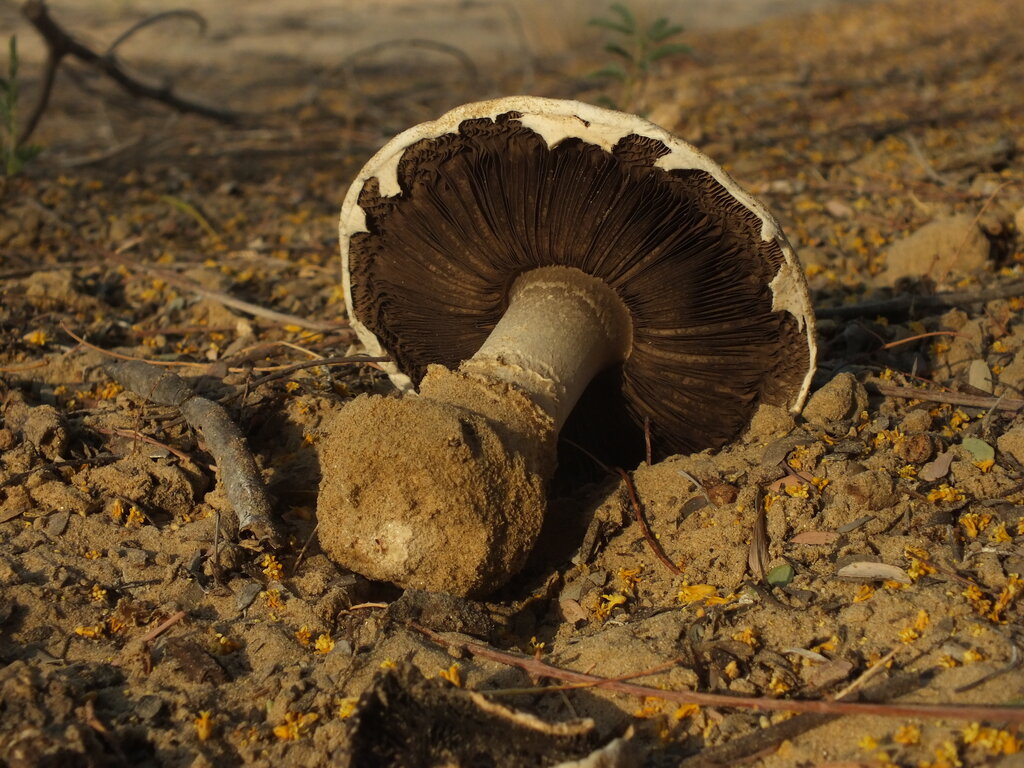
Basidiomycota, or "club fungi," is the group most people picture when they think of mushrooms. Their spores develop on club-shaped structures called basidia, which typically line gills or pores on the underside of the cap. This phylum includes everything from the common button mushroom to bracket fungi growing on trees.
Ascomycota, or "sac fungi," is the largest phylum of fungi. Instead of gills, their spores are produced inside microscopic, sac-like structures called asci. This group includes prized edibles like morels and truffles, as well as many molds and yeasts. Their fruiting bodies are often cup-shaped, wrinkled, or club-like.
Ready to check your understanding of the fungal kingdom? Let's see what you've learned.
What is the primary, main body of a fungus, which is typically hidden underground or within decaying matter?
A fungus that forms a partnership with a plant's roots, exchanging soil nutrients for sugars, is playing which ecological role?
Understanding these core concepts—the role of mycelium, the fungal life cycle, and the major groups—provides a solid foundation for exploring the fascinating world of mushrooms.