Wichita's Lumber Legacy
Early Wichita Settlement
From Trading Post to Boomtown
Before it was a city, the land where Wichita stands was a vital meeting place. Located where the Arkansas and Little Arkansas rivers join, it was a natural hub for the Wichita tribe, for whom the city is named. In 1864, a trader named Jesse Chisholm established a small trading post here to do business with the local tribes.
This humble outpost was just the beginning. Soon, settlers began to arrive, drawn by the promise of fertile land. In 1870, Wichita was officially incorporated as a city. But it wasn't farming that would cause its first population explosion. It was cattle.
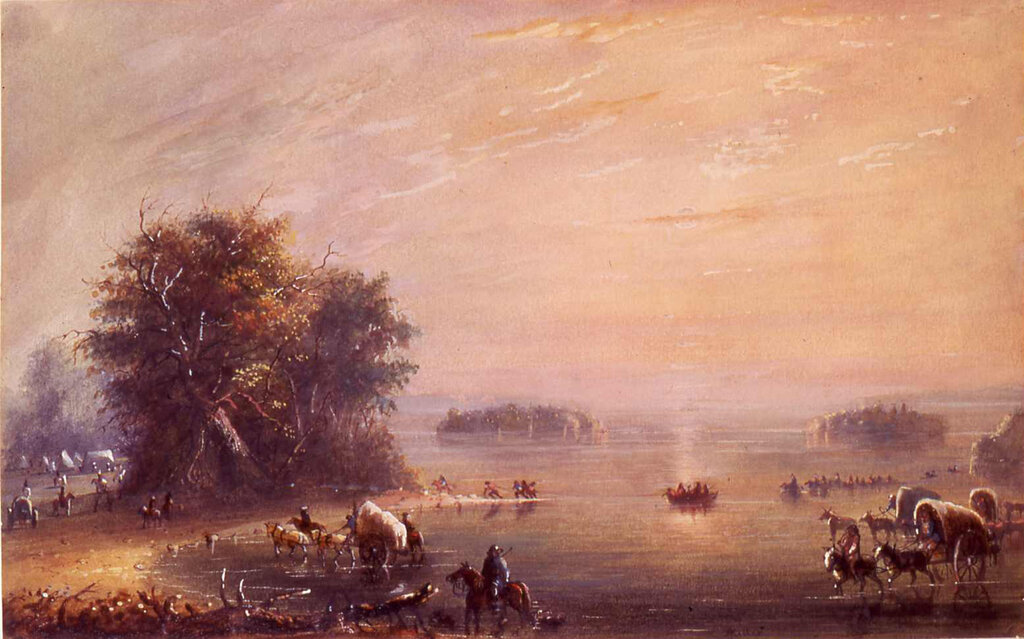
The Cattle Kingdom
After the Civil War, millions of longhorn cattle roamed wild in Texas. Meanwhile, cities in the eastern United States had a growing appetite for beef. The challenge was getting the cattle from the Texas plains to the eastern markets. The solution was the cattle drive.
The most famous route was the Chisholm Trail, which ran from southern Texas, through Indian Territory (modern-day Oklahoma), and up to the newly built railheads in Kansas. Jesse Chisholm's old trading post was perfectly positioned along this route. Wichita quickly became a major "cowtown," a destination for massive cattle drives.
From 1872 to 1876, Wichita was a key stop on the Chisholm Trail. The influx of cowboys, cattle barons, and entrepreneurs transformed the quiet settlement into a bustling, and often wild, frontier town.
The Iron Horse Arrives
Being a destination on the Chisholm Trail was only half the equation. The cattle needed a way to get to the slaughterhouses and dinner tables of the East. That's where the railroad came in.
In 1872, the Atchison, Topeka & Santa Fe Railway extended a branch line to Wichita. This connection was a game-changer. Now, cattle could be loaded directly onto trains and shipped efficiently across the country. The arrival of the railroad solidified Wichita's status as a major commercial center, ending its reliance on the long, dusty cattle drives which soon moved further west.
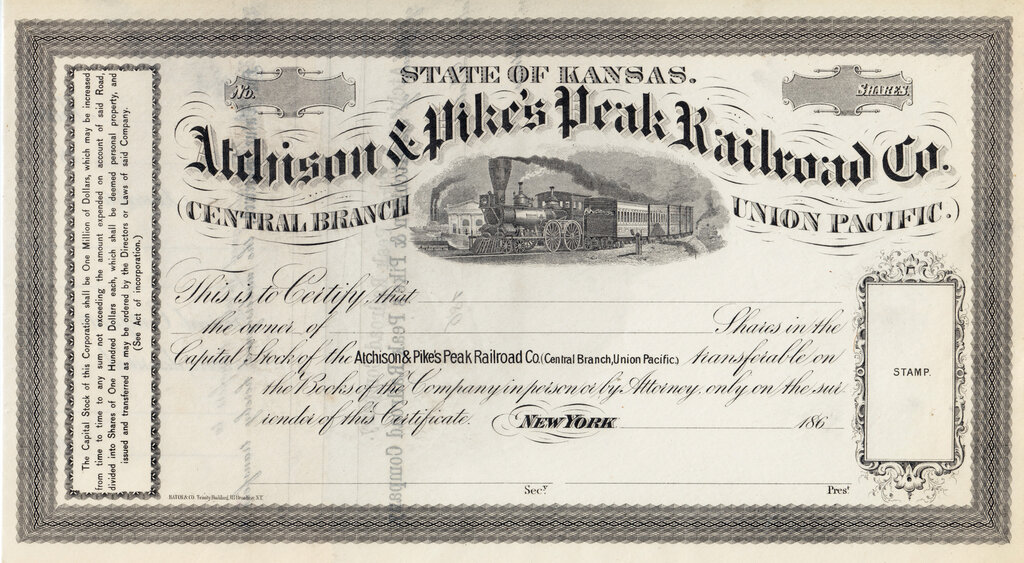
With the railroad came more than just cattle cars. It brought a steady stream of new settlers, manufactured goods, and investment. The city grew rapidly, and its economy began to diversify. The vast, fertile prairies surrounding Wichita were perfect for farming, especially wheat. Agriculture quickly joined cattle trading as a pillar of the local economy, shipping grain to the rest of the country on the same rails that once carried cattle.
Who established the first trading post in the area that would become Wichita in 1864?
What was the primary reason for Wichita's rapid growth into a major "cowtown" in the early 1870s?
Wichita's foundation was built on its geography, the booming cattle trade, and the transformative power of the railroad. This combination of factors created a thriving city on the prairie, setting the stage for future industries to take root.