Why Process Excellence Fails Judgment Errors
Introduction to Process Excellence
The Pursuit of Excellence
Process excellence is the goal of making a business run as smoothly and effectively as possible. It’s not about a single grand gesture or a one-time fix. Instead, it’s a commitment to consistently finding better ways to work. Think of a world-class kitchen. The chefs don't just cook one amazing meal; they refine their recipes, organize their stations, and streamline their communication to deliver exceptional food, every single time. That's process excellence in action.
Why does it matter? When processes are excellent, the results are too. Customers get better products and services, which makes them happier and more loyal. The business operates more efficiently, which reduces waste and lowers costs. Employees have clearer roles and less frustration, leading to a more positive and productive work environment. It's about creating a system where quality is the natural outcome of how work gets done.
Always Getting Better
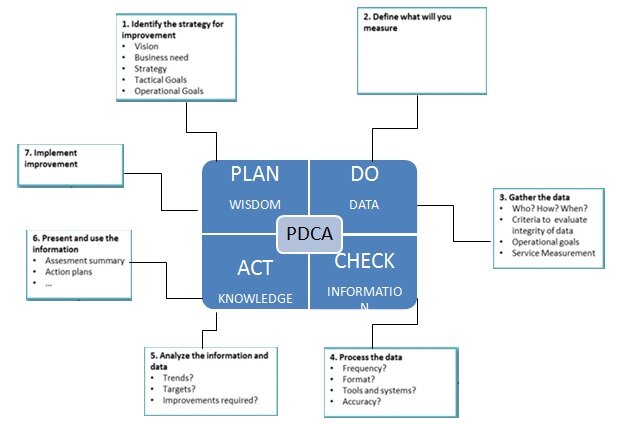
A core principle of process excellence is continuous improvement. This is the idea that there is no finish line. No matter how good a process is, it can always be improved. This philosophy, sometimes known by the Japanese term kaizen, focuses on making small, incremental changes on a regular basis.
It's about making small, smart changes every day, not just big, dramatic ones once a year.
These small adjustments add up over time to create significant transformation. By fostering a culture where everyone is encouraged to look for opportunities to improve, organizations can adapt, innovate, and stay ahead. This constant cycle of refinement is what drives lasting excellence.
Systems for Success
To make continuous improvement a reality, organizations need a structure. This is where a Quality Management System (QMS) comes in. A QMS is the formal framework of processes, procedures, and responsibilities for achieving quality policies and objectives. It's the playbook that ensures everyone is on the same page and working towards the same standards.
A good QMS provides consistency. It documents the best way to perform tasks and ensures that those methods are followed every time. This reduces errors and guarantees a reliable level of quality. Standards like ISO 9001 are examples of established frameworks that help companies build effective quality management systems.
A quality management system can provide a framework for continuous improvement in order to increase the probability of customers and other stakeholders’ satisfaction.
Ultimately, the goal of these systems is to optimize processes. Process optimization is the discipline of adjusting a process to improve its efficiency, effectiveness, and flexibility. By mapping out a workflow, you can identify bottlenecks, eliminate unnecessary steps, and automate repetitive tasks. For example, a company might analyze its customer support process and find that a few simple changes could reduce response times by 50%.
Optimizing processes doesn't just save money. It unlocks an organization's potential. It frees up employees to focus on more valuable work, speeds up the delivery of products to market, and improves the overall quality of everything the company does. This commitment to improvement is the foundation of a resilient and successful organization.
What is the primary goal of process excellence?
The philosophy of making small, incremental improvements on a regular basis is also known by the Japanese term ____________.