Whoop Band Blisters Explained
Understanding Skin Irritation
Your Skin's Job
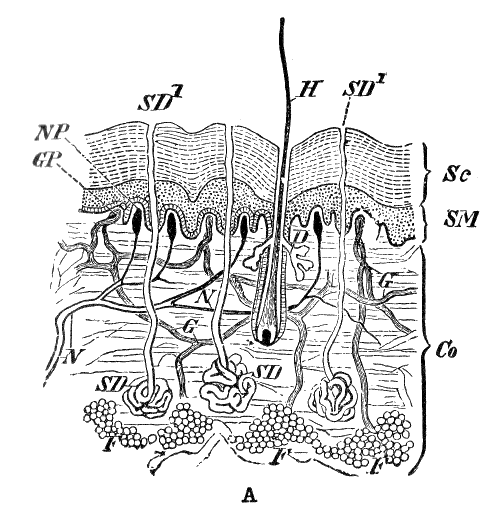
Your skin is your body's largest organ, and it works tirelessly as a protective barrier. Think of it like a brick wall. The outer layer, called the epidermis, is made of tough skin cells (the bricks). A mix of natural fats and oils acts as the mortar, holding it all together. This barrier keeps good things, like water, in and bad things, like germs and irritants, out.
This outer layer also has a very thin, slightly acidic film on its surface called the acid mantle. This mantle helps to neutralize alkaline aggressors, such as harsh soaps or detergents, and inhibits the growth of bacteria. Below the epidermis is the dermis, which contains nerve endings, blood vessels, oil glands, and sweat glands. It provides structure and support.
When the Barrier Breaks
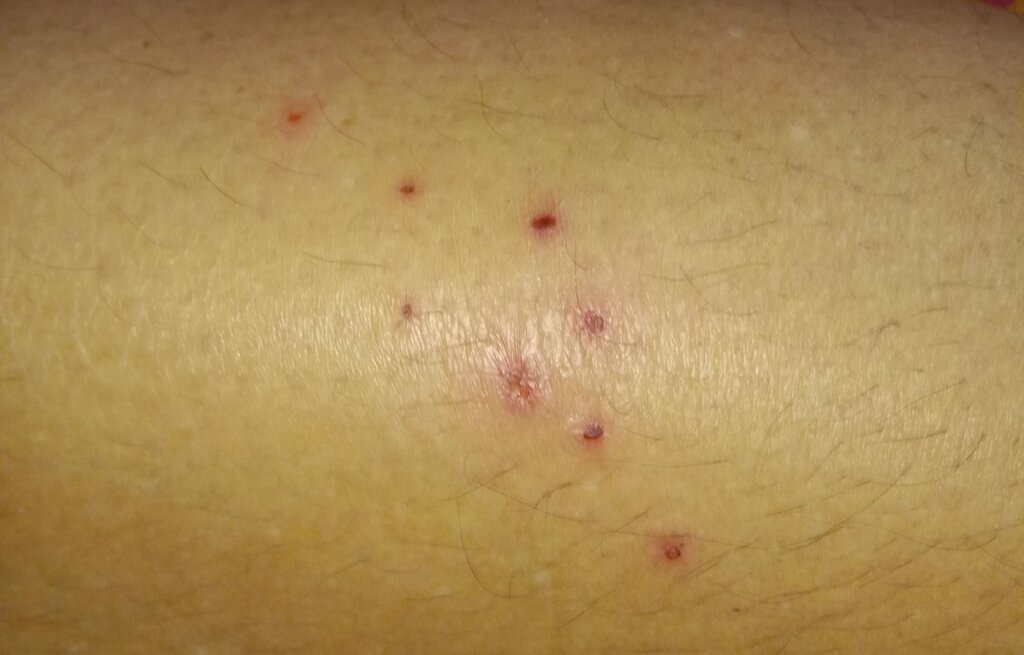
Skin irritation happens when that protective barrier is compromised. The bricks and mortar can get damaged, allowing irritants to penetrate deeper into the skin. This triggers an inflammatory response from your immune system. You might see redness, swelling, itching, or even small bumps and blisters. This general reaction is often called contact dermatitis.
Contact dermatitis is simply your skin's way of saying it has come into contact with something it doesn't like.
There are two main types. Irritant contact dermatitis is the most common and happens when a substance physically damages the skin's surface. Think of a harsh chemical or friction from clothing. Allergic contact dermatitis is an immune reaction to a specific substance, like nickel in jewelry or certain ingredients in lotions.
External Factors
Many external factors can weaken your skin's barrier. Anything that's worn close to the skin for long periods, like a watch or a fitness tracker, can be a potential source of irritation.
Key factors include:
- Pressure and Friction: Constant rubbing wears away the outer layers of the skin, much like how new shoes can cause a blister on your heel. If a band is too tight, it puts pressure on one spot, reducing blood flow and stressing the tissue.
- Moisture: Sweat, water, and soap can get trapped under a band. This prolonged dampness softens the skin, making it more fragile and prone to breaking down. It also creates a welcoming environment for bacteria and yeast to grow.
- Materials: Some people have sensitivities to the materials used in wearable devices, including metals like nickel or the plastics and silicones in the band itself.
Time for a quick check on what we've covered.
In the "brick wall" analogy for the skin's protective barrier, what does the "mortar" represent?
What is the primary function of the skin's acid mantle?
Now that you understand the basics of how your skin works and what causes general irritation, we can look at the specific factors related to your Whoop band.