Wholesale Colocation Data Center Operations
Data Center Fundamentals
What Is a Data Center?
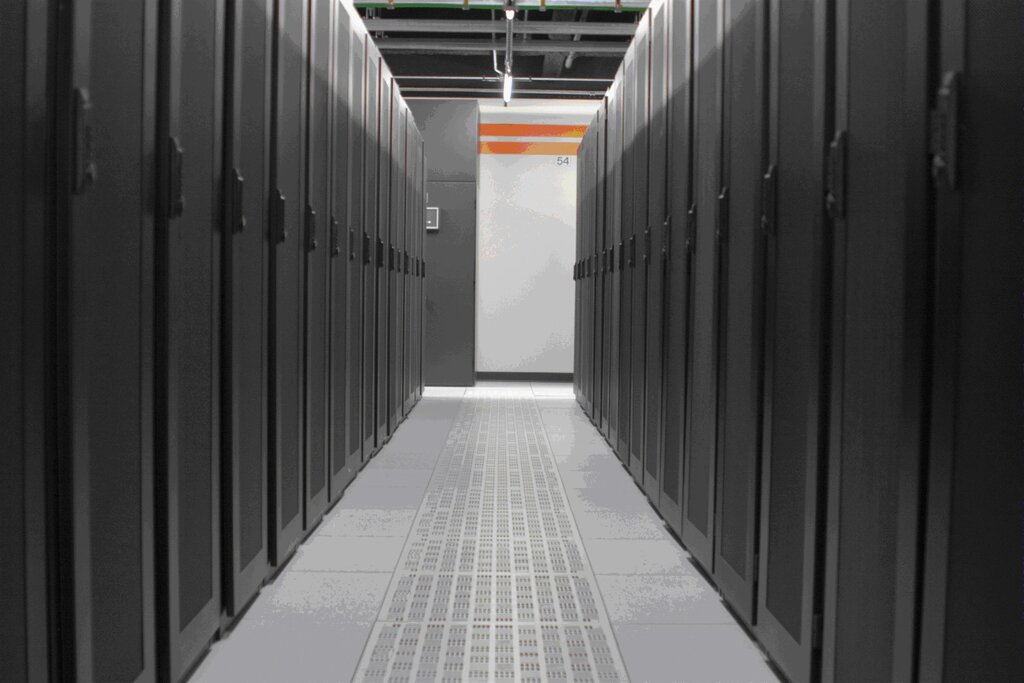
At its core, a data center is a dedicated physical facility that houses an organization's critical IT infrastructure. Think of it as the brain and heart of the digital world, a centralized location where computing and networking equipment is concentrated for the purpose of collecting, storing, processing, and distributing large amounts of data.
The essential function of a data center is to store, process, and transmit data.
These facilities are the backbone of countless services we use daily, from cloud storage and social media to online banking and e-commerce. Inside, you'll find rows of server racks, powerful storage systems, and complex networking gear, all working together to keep information flowing.
Types of Data Centers
Data centers aren't one-size-fits-all. They come in several models, each tailored to different business needs and operational strategies.
Enterprise Data Centers are built, owned, and operated by a single company for its own internal use. This model offers maximum control but requires significant capital investment and ongoing maintenance.
Colocation Data Centers involve renting space, power, and cooling from a third-party data center provider. The company owns and manages its own servers and equipment but relies on the provider for the physical facility and infrastructure. This is a popular middle ground.
Cloud Data Centers are owned and operated by public cloud providers (like Amazon Web Services, Google Cloud, or Microsoft Azure). Customers access computing resources over the internet, paying only for what they use. This model offers immense scalability and flexibility without the need to manage physical hardware.
| Feature | Enterprise | Colocation | Cloud |
|---|---|---|---|
| Ownership | Owned by the company | Facility owned by provider, servers by company | Owned by the cloud provider |
| Management | Company manages everything | Company manages servers; provider manages facility | Provider manages everything |
| Cost | High initial investment (CapEx) | Predictable operating expense (OpEx) | Pay-as-you-go (OpEx) |
Within colocation, there's a key distinction between retail and wholesale. Retail colocation is like renting a single apartment, where a business might lease a single server rack or a small, caged-off area. Wholesale colocation, on the other hand, is like leasing an entire office building. A company rents a large, private suite or even a whole data hall, giving them more space and control while still leveraging the provider's infrastructure.
Space, Power, and Cooling
Regardless of the type, every data center operator is obsessed with three critical resources: space, power, and cooling. Managing these effectively is essential for reliability and efficiency.
Think of them as the three legs of a stool. If one fails, the entire operation is at risk.
Space refers to the physical footprint needed to house server racks and other equipment. It's not just about square footage; it's about optimizing the layout for easy access, maintenance, and, most importantly, airflow.
Power is the lifeblood. Data centers consume enormous amounts of electricity to run the equipment and keep it cool. A stable, uninterrupted power supply is non-negotiable, which is why facilities have extensive backup systems like uninterruptible power supplies (UPS) and generators.
Cooling is just as crucial. All that electronic equipment generates a tremendous amount of heat. Without constant cooling, servers would quickly overheat and fail. Efficiently managing temperature and airflow is a primary challenge in data center operations.
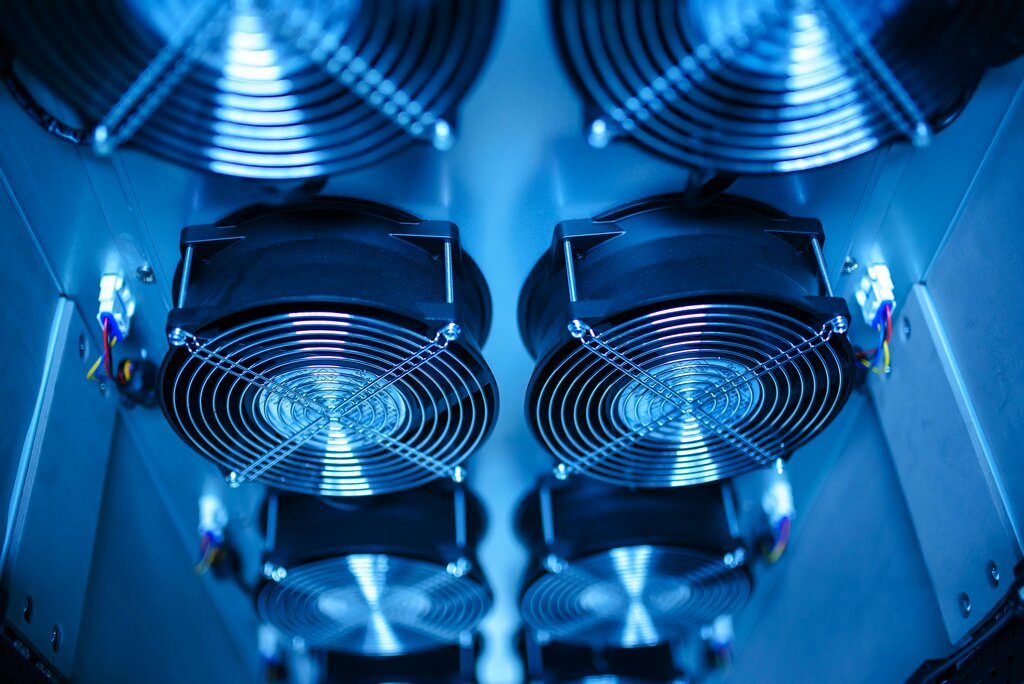
Power and cooling systems help maintain the operational efficiency and reliability of data centers.
Balancing these three elements is a continuous act. A data center must have enough power and cooling capacity to support the equipment packed into its physical space. This interplay defines the facility's overall capacity and performance.
What is the primary function of a data center?
A startup company wants maximum flexibility and scalability, paying only for the computing resources it uses without managing any physical hardware. Which data center model best fits its needs?