Wholeness and Holiness in Spiritual Counseling
Defining Wholeness and Holiness
The Idea of Wholeness
Wholeness is about integration. It’s the sense of being complete and balanced within yourself. This doesn't mean being perfect or without flaws. Instead, it means acknowledging and accepting all parts of who you are—the good, the challenging, and everything in between. It’s about bringing together the different aspects of your life: your mind, body, emotions, and spirit.
Wholeness
noun
The state of being complete, undivided, or unbroken. In a psychological and spiritual sense, it refers to the integration of all parts of oneself into a unified whole.
Think of an orchestra. Each instrument has a unique sound and role. A violin is not a drum, and a trumpet is not a cello. The orchestra sounds best not when every instrument tries to be a violin, but when each one plays its own part in harmony with the others. Wholeness is like that: it’s the harmony that comes from letting your different inner parts work together.
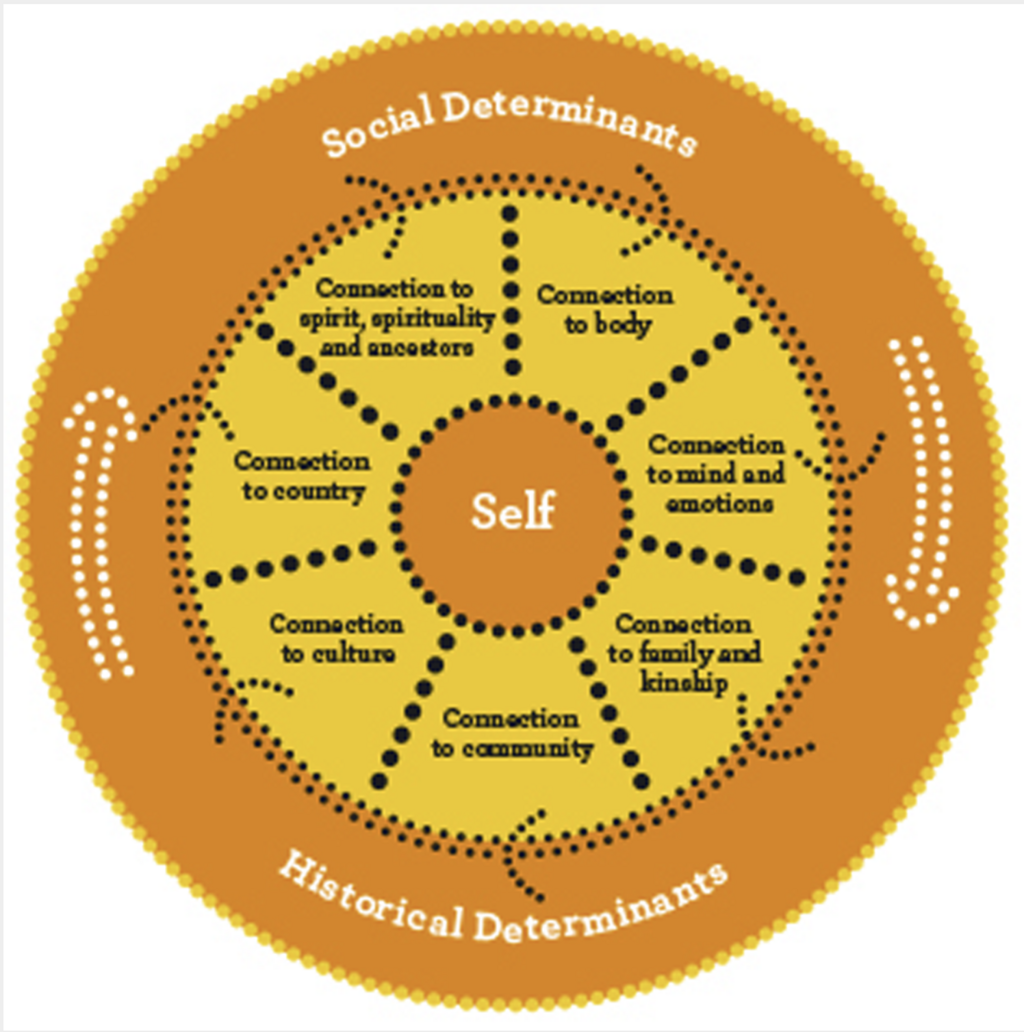
From a psychological perspective, the quest for wholeness is a central theme. Swiss psychiatrist Carl Jung called this process "individuation." He believed that true maturity comes from integrating the conscious and unconscious parts of our mind. This means facing our "shadow self"—the parts of us we might repress or deny—and making peace with them.
At the heart of this approach is the belief that the psyche strives for wholeness—a balance between conscious awareness and unconscious elements.
The Meaning of Holiness
Holiness, on the other hand, is about being set apart for a specific purpose, often a divine one. The word comes from the Old English word hālig, which means "holy, sacred." Historically, it was used to describe something or someone dedicated to God or a spiritual purpose. It implies a sense of purity and moral goodness.
Holiness
noun
The state of being holy, pure, or sanctified; dedicated to a religious or spiritual purpose.
While wholeness is about internal integration, holiness is often about external dedication and ethical living. It's about aligning your actions and character with a higher ideal or divine standard. Think of a tool set aside for a special task. A ceremonial chalice isn't used for everyday drinking; its purpose makes it holy.
Holiness is not about achieving flawlessness, but about a dedicated direction and purpose.
Traditions and Interpretations
Different spiritual traditions view these concepts in unique ways. In many Eastern traditions, like Buddhism and Taoism, the focus is often on wholeness. Concepts like mindfulness and achieving Nirvana or harmony with the Tao emphasize internal balance and the dissolving of the ego to become one with the universe.
In Abrahamic religions such as Judaism, Christianity, and Islam, holiness is a central theme. It involves devotion to God, adherence to moral laws, and living a life that reflects divine attributes like justice, mercy, and love. Wholeness is still important, but it is often seen as a result of pursuing a holy life.
| Concept | Primary Focus | Goal | Associated Ideas |
|---|---|---|---|
| Wholeness | Internal Integration | Personal balance & completeness | Self-acceptance, individuation, harmony |
| Holiness | External Dedication | Alignment with the divine | Purity, sacredness, moral living |
Despite their differences, wholeness and holiness are not mutually exclusive. A person can strive for both. In fact, many would argue that you can't truly have one without the other. A sense of inner wholeness can provide the foundation for a life of spiritual dedication, while the pursuit of holiness can help integrate a person's values and actions, leading to a greater sense of wholeness.
Let's review these two important ideas.
Ready to check your understanding?
What is the primary focus of the concept of "wholeness" as described in the text?
The text uses an orchestra as an analogy for wholeness. What does this analogy illustrate?
Understanding these concepts provides a foundation for exploring personal and spiritual growth. They offer two different but complementary lenses for viewing a well-lived life.