Who is Labeh Fanekosi Max?
Introduction to African Historical Context
Empires Before Europe
Long before European powers drew lines on a map, Africa was a continent of empires, kingdoms, and dynamic societies. The idea of a continent waiting to be discovered is a historical myth. Powerful states with complex political structures and vast trade networks flourished for centuries.
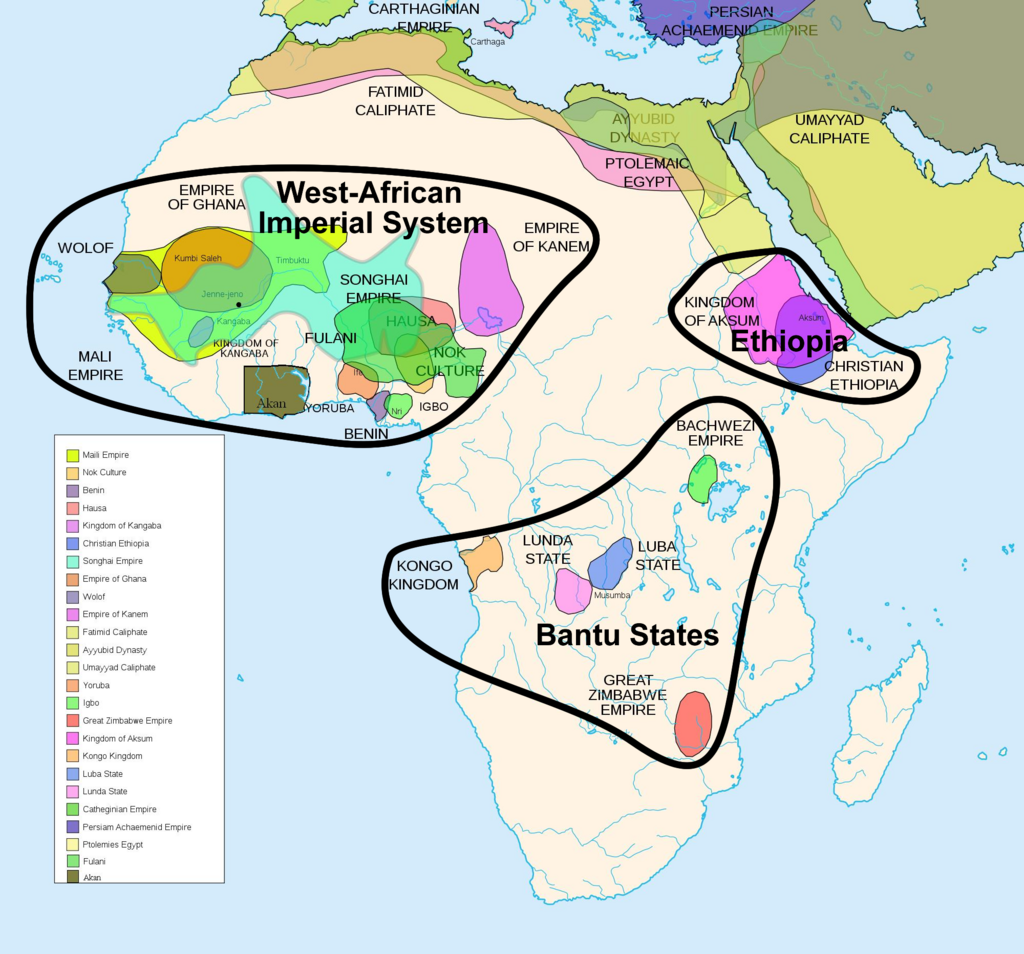
In West Africa, the Mali Empire, led by figures like Mansa Musa, was renowned for its immense wealth, particularly in gold. The Songhai Empire succeeded it, controlling crucial trade routes across the Sahara. In the east, the Kingdom of Aksum in modern-day Ethiopia was a major naval and trading power, connecting the Roman Empire with ancient India.
Further south, Great Zimbabwe was the heart of a prosperous trading state, evidenced by its massive stone ruins. These are just a few examples. The continent was a mosaic of different political systems, from large, centralized empires to smaller, autonomous communities, each with its own rich culture and history.
The Scramble for Africa
The late 19th century brought a dramatic and violent shift. European powers, driven by economic ambitions and national rivalries, rapidly colonized the continent in what became known as the "Scramble for Africa."
At the Berlin Conference of 1884–85, European nations met to lay down rules for the division of Africa. No African leaders were invited.
This conference accelerated the colonization process. Within a few decades, nearly all of Africa was under European rule. The new boundaries were drawn arbitrarily, often cutting across existing ethnic and cultural groups or forcing rival communities into a single colony. This division ignored the continent's complex history and created the foundation for future conflicts.
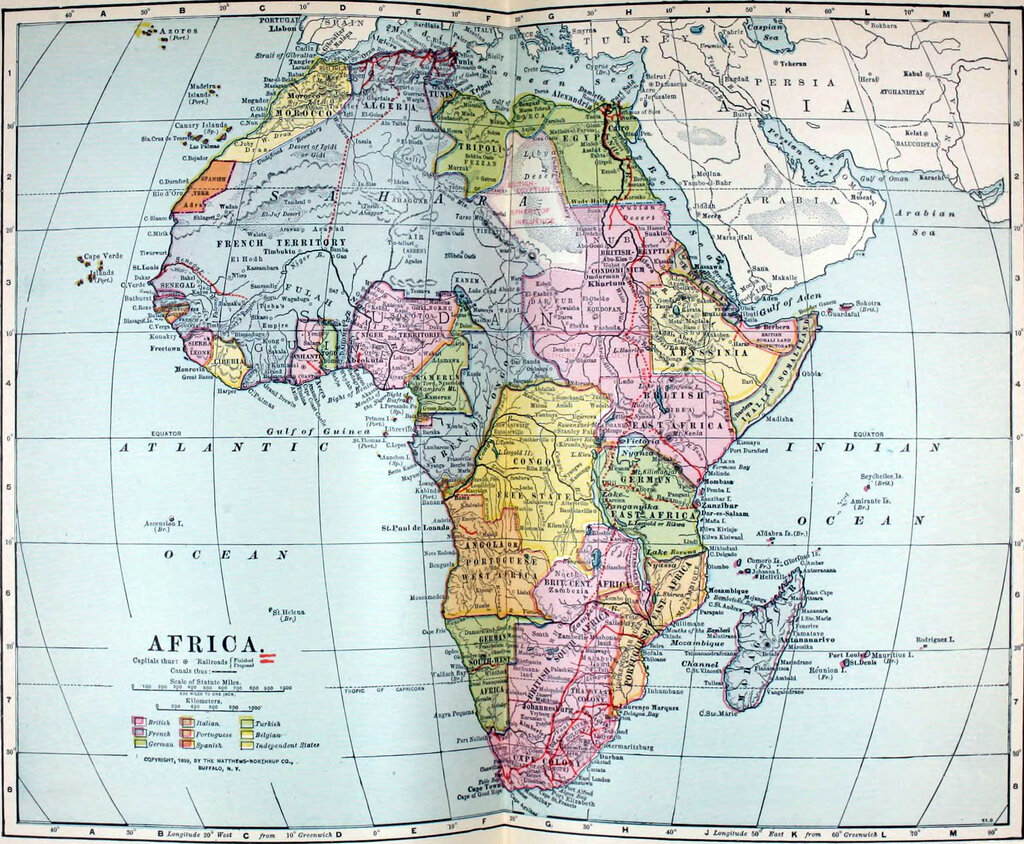
Colonial rule restructured African economies to serve European needs, focusing on the extraction of raw materials like rubber, cotton, and minerals. European languages, religions, and administrative systems were imposed, profoundly disrupting traditional ways of life.
Independence and New Nations
The period after World War II sparked a wave of change across the continent. Africans who had fought for the freedom of their colonial rulers in the war returned home demanding their own. Independence movements gained momentum, led by a new generation of nationalist leaders.
| Leader | Country | Significance |
|---|---|---|
| Kwame Nkrumah | Ghana | Led the first sub-Saharan country to independence in 1957. |
| Jomo Kenyatta | Kenya | A key figure in Kenya's struggle for independence. |
| Léopold Sédar Senghor | Senegal | Poet and politician who became Senegal's first president. |
| Patrice Lumumba | Congo | The first prime minister of the independent Congo. |
By the mid-1960s, most African nations had achieved independence. But freedom came with immense challenges. New nations had to forge a sense of national identity from the diverse and sometimes conflicting groups lumped together by colonial borders. They also faced political instability and economies that remained heavily dependent on their former colonizers.
In response to these shared struggles, powerful new ideas emerged. Pan-Africanism, a movement promoting the political and economic unity of all African peoples, became a driving force. It argued that unity was essential for the continent to overcome the legacy of colonialism and find its own path forward.
Cultural Movements
Alongside the political push for independence, a cultural renaissance was taking place. African artists, writers, and thinkers sought to reclaim and celebrate their heritage, challenging the colonial narrative that African culture was inferior.
Négritude
noun
A literary and ideological movement developed by French-speaking Black intellectuals, writers, and politicians. It celebrated a distinct "Black identity" and consciousness, rejecting the supremacy of French colonial culture.
Thinkers like Léopold Sédar Senghor of Senegal and Aimé Césaire of Martinique championed Négritude, asserting the value of African traditions, philosophies, and aesthetics. This movement, along with Pan-Africanism, helped lay the intellectual groundwork for a new, self-defined African identity on the world stage.
Ready to test your knowledge of this complex history?
Which West African empire, led by figures like Mansa Musa, was renowned for its immense wealth in gold?
What was a major consequence of the way European powers drew new boundaries during the "Scramble for Africa"?
Understanding this broad historical arc—from powerful ancient empires through the disruption of colonialism to the fight for independence and cultural rebirth—is key to appreciating the stories and achievements of modern African figures.