Whiteness Indigenous Identity and Race
Understanding Whiteness
An Invented Identity
The idea of a single “white race” is a relatively new invention. If you traveled back to Europe 500 years ago, people wouldn't have identified as white. They would have identified by their nationality or ethnicity—as English, Irish, French, or Spanish. These groups often fought wars against each other and held deep-seated prejudices.
The concept of “whiteness” emerged during the era of European colonialism, starting in the 17th century. It was created as a social and political category to group together people from Europe and distinguish them from people in other parts of the world, particularly Africa. This wasn't about biology; it was about power. By creating a superior “white” category and an inferior “non-white” one, colonial powers could justify slavery, land theft, and the exploitation of labor.
Whiteness is a social construct, not a biological fact. It was created to establish a social hierarchy where people of European descent held power over others.
This new identity was legally and culturally reinforced. For example, in the American colonies, laws were passed that gave poor European indentured servants certain rights and privileges that were denied to enslaved Africans. This strategy was designed to prevent these two groups from uniting against the wealthy ruling class. It encouraged the European servants to identify with their skin color rather than their economic status, creating a shared “white” identity that bonded them to the elite.
Becoming White
The boundaries of whiteness have always been flexible, shifting to serve the interests of the dominant group. When immigrants from Ireland, Italy, and Eastern Europe first arrived in the United States in large numbers, they were often not considered fully white by the Anglo-Protestant majority. They faced discrimination and were depicted in cartoons and newspapers with racist stereotypes, often portrayed as racially distinct and inferior.
Over several generations, these groups gradually became absorbed into the white category. They achieved this through economic mobility, assimilation, and by distinguishing themselves from Black Americans. By participating in the existing racial hierarchy, they gained access to the privileges that came with being white.
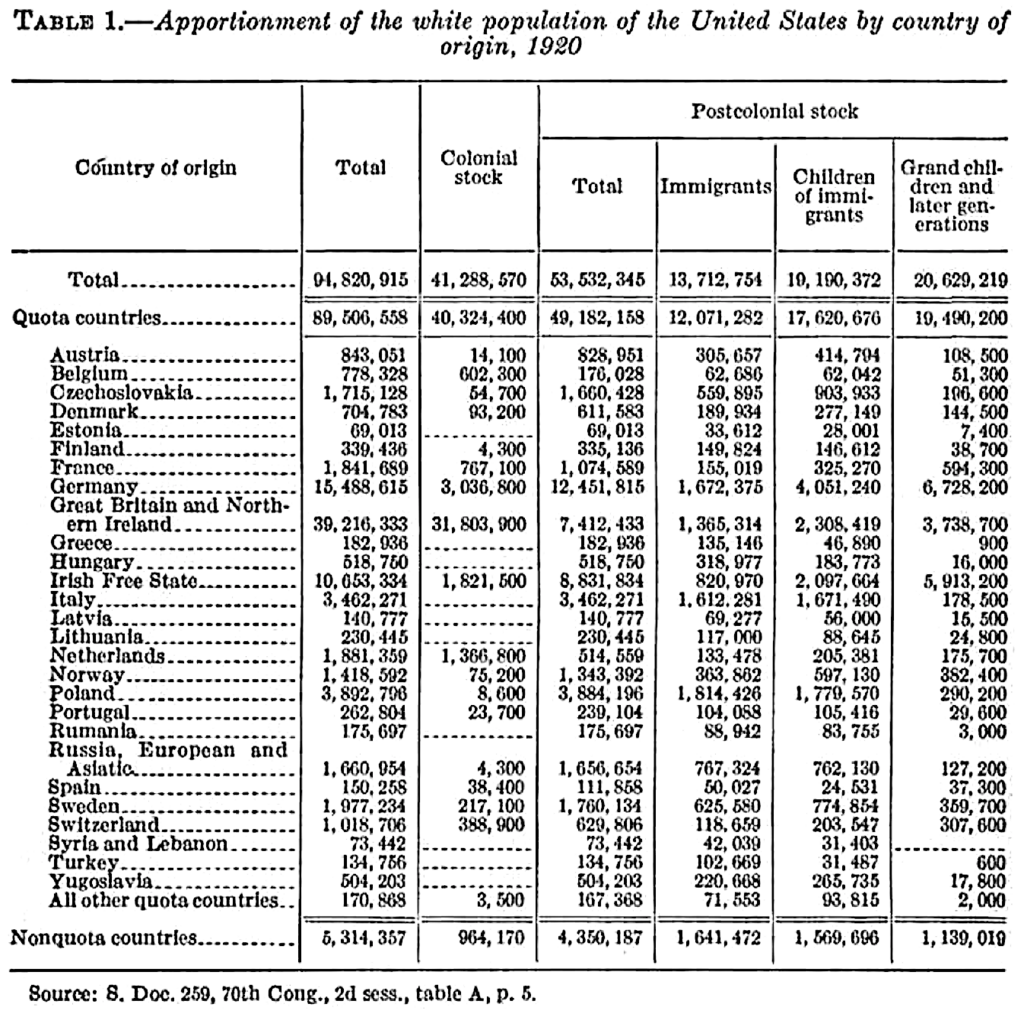
This process shows how whiteness is not a fixed, stable identity. It's a club with gatekeepers, and the requirements for entry have changed over time.
Privilege and Power
Because whiteness was established as the top of the social hierarchy, it has always come with certain unearned advantages, often called “white privilege.” This doesn't mean that white people don't face struggles or hardship. It means they don't face additional struggles because of their race.
These privileges have historically been embedded in laws and institutions, creating systemic advantages that have accumulated over generations. Even after explicitly racist laws were abolished, their effects linger.
| Category | Example of White Privilege |
|---|---|
| Economic | Historically, white families had exclusive access to government-backed mortgages and were able to buy homes in suburbs, building generational wealth. Practices like redlining systematically denied these opportunities to Black families. |
| Social | In many Western countries, whiteness is treated as the default or “normal.” This is reflected in everything from media representation to the “flesh-colored” shade of a bandage. |
| Legal | Studies have consistently shown racial bias in the justice system, from police stops to sentencing, where white individuals often receive more lenient treatment for the same offenses. |
Whiteness in Settler Societies
In settler colonial contexts like the United States, Canada, and Australia, whiteness was fundamental to the entire national project. The goal was not just to extract resources, but to replace the original inhabitants with a new society of settlers.
The idea of white superiority was a core justification for this process. It framed Indigenous peoples as “savage” or “primitive,” which in turn made it seem natural and inevitable that their lands should be taken by a supposedly more “advanced” white civilization.
This belief system, known as manifest destiny in the U.S., powered westward expansion and policies of forced removal and assimilation, like residential schools. Whiteness defined who was considered a citizen with full rights and who could be dispossessed and marginalized. The norms, laws, and cultural institutions of the new society were all built around a white-centric worldview, establishing a foundation that continues to shape these nations today.
Let's check your understanding of these ideas.
According to the text, when did the concept of a broad, unified "white race" begin to emerge?
What was a primary motivation for creating the legal and social category of "whiteness" in the American colonies?
Recognizing whiteness as a social construct is a crucial first step in understanding how racial inequality is built into the fabric of society.