Whiskey Bourbon Rye Explained
Whiskey Basics
What Makes Whiskey, Whiskey?
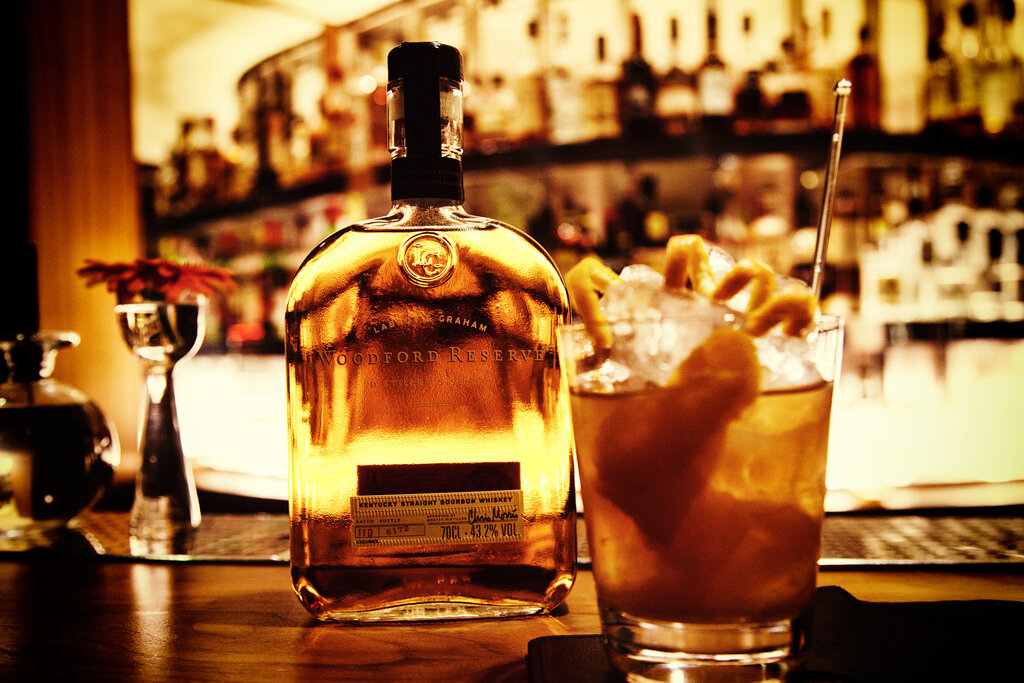
At its core, whiskey is a spirit made from fermented grain. Think of it as a kind of beer that has been distilled to concentrate the alcohol and flavors, then aged in a wooden barrel. The basic ingredients are simple: grain (like barley, corn, rye, or wheat), water, and yeast.
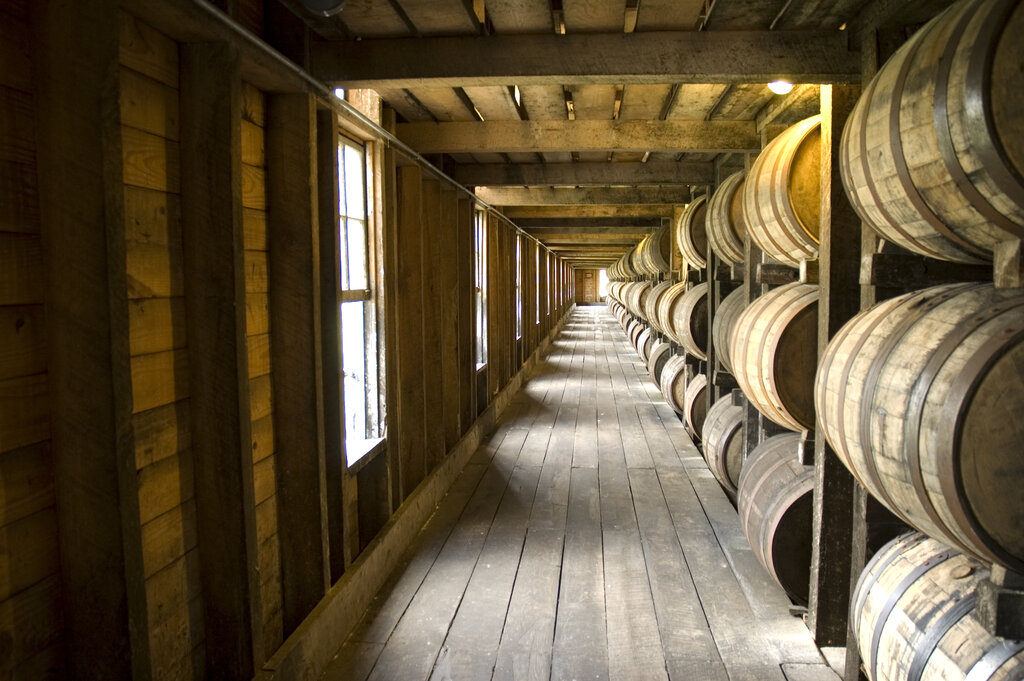
The magic happens during aging. The distilled spirit, which is clear and potent, goes into a wooden cask—usually made of oak. Over months or years, the spirit interacts with the wood, gaining its characteristic amber color, aroma, and complex flavors. Everything from the type of grain to the time spent in the barrel shapes the final product.
A Brief History
The art of distillation is ancient, but whiskey's story begins more recently, in the medieval monasteries of Ireland and Scotland. Monks used their stills to create a potent spirit for medicinal purposes. They called it aqua vitae, Latin for "water of life."
water of life
In Gaelic, this translated to uisce beatha. Over time, as the word was spoken and simplified, it became "whiskey." The practice spread from the monasteries to the general public, and as Scottish and Irish immigrants traveled to North America, they brought their distilling traditions with them, adapting to new grains like corn and rye.
The Production Journey
Making whiskey involves a few key steps. While the details vary by region and style, the basic process is consistent.
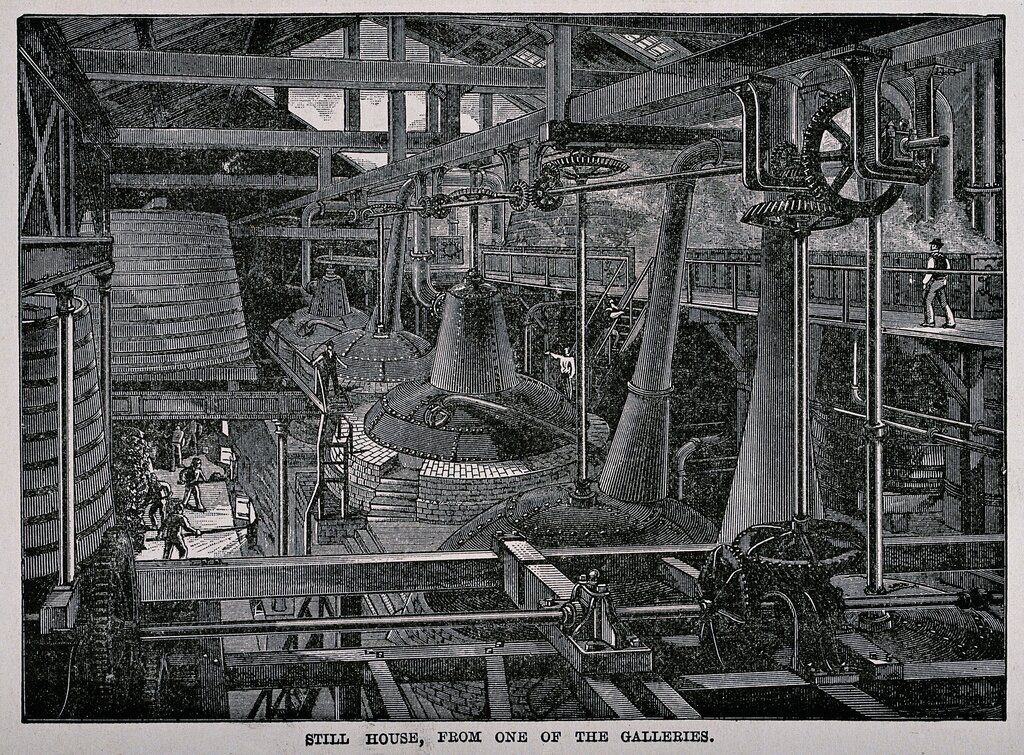
First, grains are prepared to convert their starches into fermentable sugars. This liquid, called "wort," is then fermented with yeast to produce a low-alcohol liquid similar to beer. This "wash" is distilled at least once to increase its alcohol content. Finally, the unaged spirit is put into barrels to mature. The barrel is not just a container; it's an ingredient that adds vanilla, caramel, and spicy notes to the final spirit.
Whiskies Around the World
Geography plays a huge role in defining a whiskey's character. Different countries have different laws, traditions, and available grains, leading to distinct styles. Notice that some countries spell it "whisky" (Scotland, Canada, Japan), while others use "whiskey" (Ireland, United States).
| Style | Origin | Key Grains | Common Characteristics |
|---|---|---|---|
| Scotch Whisky | Scotland | Malted Barley | Can be smoky (if peat is used), complex, varied by region. |
| Irish Whiskey | Ireland | Barley | Typically smooth, light, and fruity; often triple-distilled. |
| American Whiskey | USA | Corn, Rye, Wheat | Broad category; bourbon is sweet, rye is spicy. |
| Canadian Whisky | Canada | Corn, Rye | Often blended; typically light, smooth, and approachable. |
| Japanese Whisky | Japan | Malted Barley | Modeled after Scotch; known for balance, elegance, and quality. |
Each of these categories has its own rich history and strict production rules. American whiskeys like bourbon and rye, for example, have specific requirements for their grain mixture and aging process that we'll explore next.
Ready to test your knowledge on the basics?
What are the three essential ingredients required to make whiskey?
What is the primary source of whiskey's characteristic amber color and complex flavors like vanilla and spice?
Now that you have a handle on the fundamentals, we can dive deeper into the specific styles that define American whiskey.