What is Artificial Intelligence
Introduction to Intelligence
What is Intelligence?
Intelligence is a tricky concept to pin down. We recognize it when we see it, but a single, perfect definition has always been just out of reach. Is it about knowing a lot of facts? Solving complex math problems? Or is it something more, like understanding emotions or navigating a new city?
Most experts agree that intelligence isn't one single thing. Instead, it's a collection of mental abilities that allow an entity—whether a person, an animal, or a computer—to learn, reason, and solve problems.
Think of it as a mental toolkit. The more tools you have and the better you are at using them, the more effectively you can interact with the world around you.
The Core Abilities
At its heart, intelligence combines several key cognitive skills. Let's break down the most important ones.
Learning
noun
The process of acquiring new knowledge, skills, or behaviors through experience, study, or being taught.
Learning is the foundation. It's how we absorb information from our environment. For a human, it could be memorizing historical dates or figuring out how to cook a new recipe. For an animal, it might be learning the location of a food source. This ability to adapt based on new information is fundamental to intelligent behavior.
Next comes reasoning. Reasoning is what we do with the information we've learned. It involves thinking logically, spotting patterns, and drawing conclusions. If you see dark clouds gathering, you reason that it might rain soon and decide to grab an umbrella. This is a simple act of reasoning—connecting one piece of knowledge (dark clouds) with another (rain) to make a sensible decision.
Finally, there's problem-solving. This is where learning and reasoning come together to achieve a specific goal. It's the ability to analyze a situation, identify a challenge, and devise a strategy to overcome it. Whether it's a squirrel figuring out how to get into a “squirrel-proof” bird feeder or an engineer designing a more efficient engine, the core process is the same: applying intelligence to find a solution.
Natural vs. Artificial
Intelligence isn't exclusive to biology. We see it in the natural world and in the machines we create. While they share core abilities, their foundations are very different.
Natural intelligence is the product of millions of years of evolution. It’s baked into the wetware of our brains. It's adaptable, intuitive, and deeply connected to consciousness and emotion. It excels at understanding context, navigating social situations, and making creative leaps with incomplete information.
Artificial intelligence (AI), on the other hand, is designed by humans and runs on silicon. It is a field of computer science focused on creating systems that can perform tasks that typically require human intelligence. This can range from understanding language to recognizing images or playing strategic games.
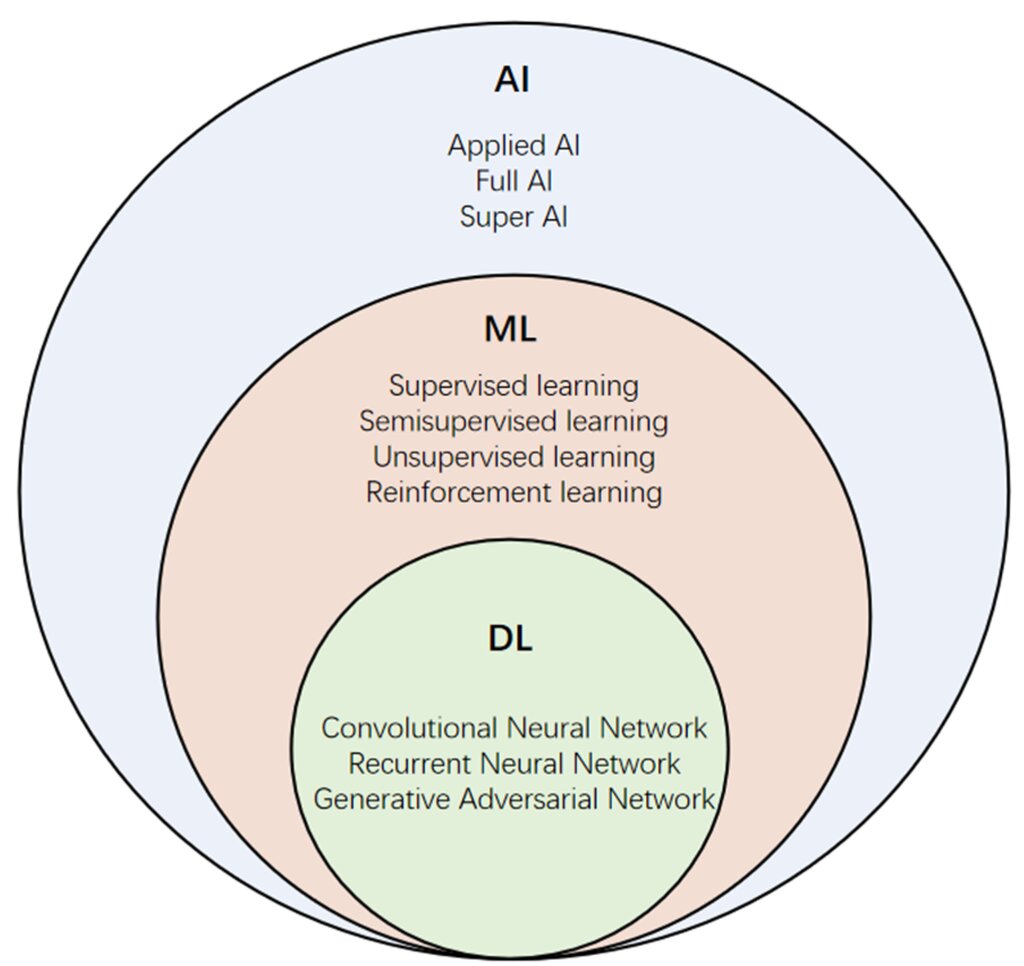
The goals of natural and artificial intelligence are often different. Natural intelligence evolved for survival, reproduction, and social bonding. AI is built for specific tasks—to optimize a system, find a pattern in massive datasets, or automate a process. A quick comparison highlights the key differences:
| Feature | Natural Intelligence | Artificial Intelligence |
|---|---|---|
| Origin | Evolution over millions of years | Designed and created by humans |
| Hardware | Biological brain (neurons) | Digital computers (silicon chips) |
| Learning | Experience, observation, intuition | Data, algorithms, explicit rules |
| Strengths | Creativity, social skills, adaptation | Speed, scale, accuracy in specific tasks |
| Weaknesses | Prone to bias, fatigue, and emotion | Lacks common sense, consciousness |
Understanding these different forms of intelligence is the first step toward exploring the fascinating ways they interact, complement each other, and shape our world.
Ready to test your knowledge? Let's see what you've learned.
Which of the following best describes the fundamental difference between the origins of natural and artificial intelligence?
When you notice the sky is getting dark and cloudy, so you decide to take an umbrella with you, which core component of intelligence are you primarily using?
By grasping these fundamentals of what intelligence is, we can better appreciate its different forms and functions, from the clever crow to the complex algorithm.